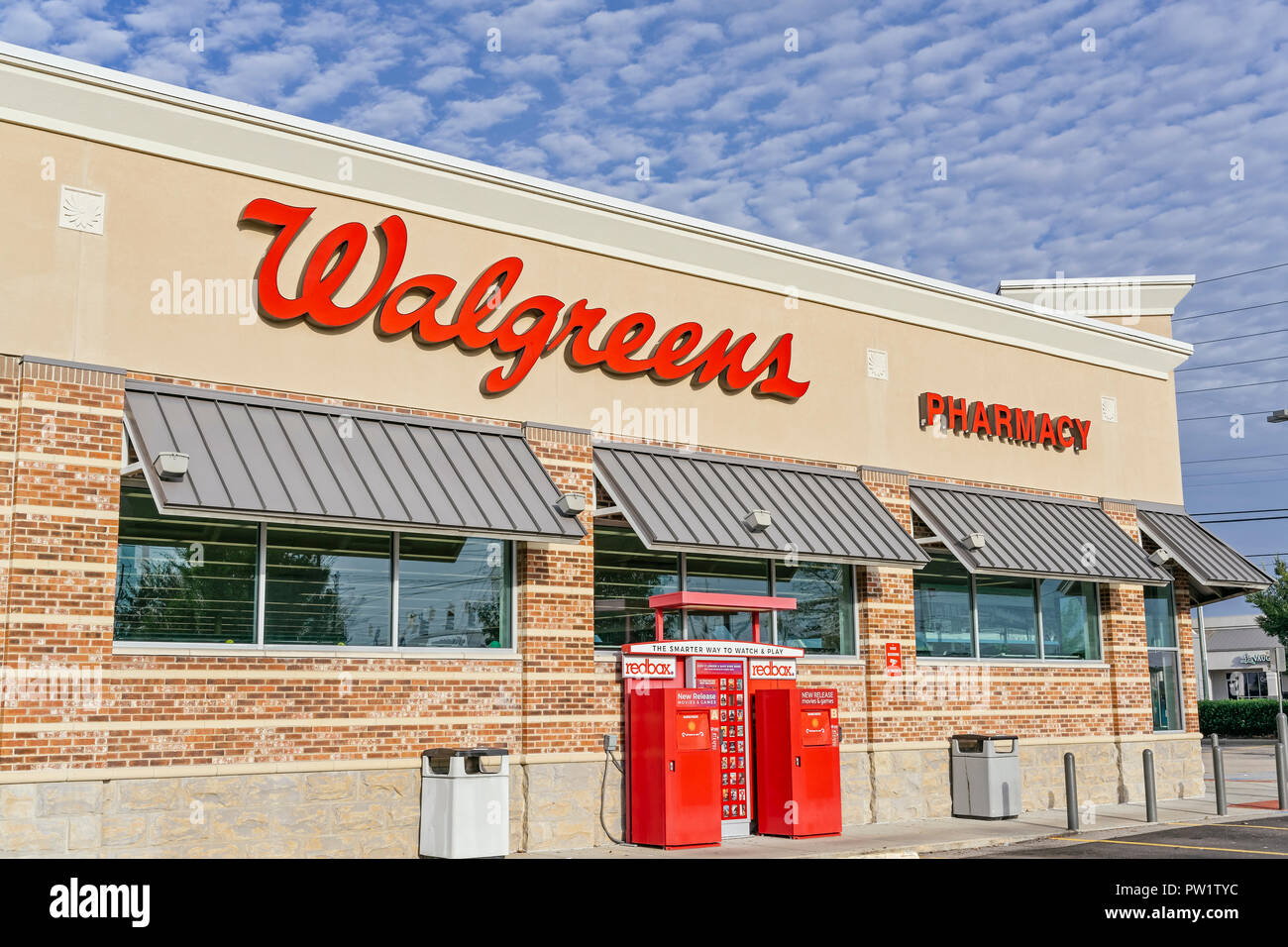
When disaster strikes a community, the local drugstore is often the first place residents turn to for help. Long before federal aid arrives or utility crews restore power, neighborhood pharmacies serve as frontline healthcare hubs. The intersection of Flood and Main represents a compelling case study in how retail health facilities withstand environmental shocks and maintain continuity of care. By analyzing how community pharmacies adapt during crises, healthcare operators can build robust frameworks to protect vulnerable populations when disaster hits.
Operating a neighborhood pharmacy requires balancing everyday commercial efficiency with extreme crisis readiness. When severe weather or sudden flooding threatens commercial corridors, standard supply chains fracture instantly. Pharmacies located at major urban intersections face unique structural vulnerabilities, yet they also possess strategic advantages due to their geographic proximity to residents. Understanding how these sites transition from routine retail operations to emergency lifelines provides a vital blueprint for modern community resilience.
Anatomy of a Vulnerable Urban Intersection
Urban corridors prone to flash flooding or severe weather share common topographical challenges. Intersections like Flood and Main typically feature high impervious surface ratios, concentrating runoff and overwhelming storm drainage systems during intense precipitation events. Pharmacies situated in these zones encounter immediate threats to physical infrastructure, digital connectivity, and inventory security.
Physical damage rarely stays restricted to exterior parking lots. Floodwaters breach building envelopes, contaminating ground-level storage, ruining paper records, and destroying sensitive biomedical refrigeration units. Maintaining uninterruptible power supplies and elevating critical electrical panels above historical flood levels remains essential for structural survival. BBC has analyzed this fascinating subject in extensive detail.
Beyond physical infrastructure, digital continuity determines whether a pharmacy can function. Prescription management systems, electronic health records, and insurance verification portals rely on stable internet and cellular connectivity. When storms sever fiber-optic lines or knock out local cell towers, pharmacies lose the ability to verify medication histories safely. Resilient operations incorporate redundant satellite communication links and offline dispensing protocols to bridge the gap during outages.
The Operational Pivot: From Retail to Emergency Hub
When a crisis unfolds, the daily routine of filling maintenance prescriptions and managing cosmetic aisles shifts overnight. A resilient neighborhood pharmacy must execute an immediate operational pivot to prioritize acute care, emergency triage, and continuity of chronic disease management.
Staff members face immense pressure, often managing personal displacement while reporting for duty. Establishing clear chains of command and pre-assigned emergency roles protects staff wellbeing and prevents operational paralysis. Standard operating procedures must outline precise steps for securing narcotics, backing up patient databases to secure cloud environments, and coordinating with municipal emergency management agencies.
Logistical agility defines success during the immediate aftermath of a disaster. Traditional delivery trucks cannot navigate flooded streets or debris-blocked thoroughfares. Resilient pharmacies partner with local emergency responders, municipal authorities, and specialized disaster recovery networks—such as mobile pharmacy units deployed during severe weather events—to distribute critical supplies directly to displaced populations.
Community Integration and Trust
A pharmacy cannot act as a resilience blueprint in isolation. Deep roots within the neighborhood dictate how effectively an establishment supports its clientele during emergencies. Trust built over years of filling daily prescriptions translates into high compliance and reliance when public safety messages go out.
During extended power outages or evacuation orders, patients frequently lose access to insulin, blood pressure medications, and oxygen supplies. Pharmacies that maintain comprehensive patient profiles and emergency contact registries can proactively reach out to high-risk individuals. Collaborative networks involving local clinics, senior living centers, and volunteer groups ensure that life-saving medications reach vulnerable residents even when travel is severely restricted.
Furthermore, community pharmacies serve as trusted sources of verifiable health information. Misinformation spreads rapidly during disasters, creating panic and dangerous public health choices. Pharmacists cut through confusion by providing clear guidance on vaccination availability, emergency prescription overrides, and safe medication disposal if products suffer water damage. You can review official public health emergency guidelines through the CDC Emergency Preparedness Portal to align local response strategies with national standards.
Blueprint Pillars for Future-Proofing Pharmacies
Designing a disaster-resilient neighborhood pharmacy requires intentional capital investment and proactive planning across four core pillars:
- Infrastructure Hardening: Elevate electrical infrastructure, install flood barriers, and secure auxiliary generators capable of running refrigeration units and dispensing terminals for a minimum of 72 hours.
- Supply Chain Redundancy: Maintain strategic stockpiles of high-demand chronic medications and establish secondary wholesale supplier agreements to bypass regional distribution bottlenecks.
- Digital Resilience: Utilize encrypted cloud-based pharmacy management systems with offline caching capabilities and satellite backup communications to prevent data loss.
- Staff Empowerment: Conduct regular crisis simulation drills, provide mental health support resources, and establish transparent communication channels for employees navigating personal emergencies.
Implementing these measures transforms a standard retail storefront into an anchor of neighborhood stability. For broader insights on building resilient local infrastructure, consult the Federal Emergency Management Agency guidelines on community lifelines and business continuity.
Frequently Asked Questions
How do pharmacies handle prescription refills during a major flood or power outage?
Pharmacies utilize offline emergency dispensing protocols when digital systems fail, provided the pharmacist can verify patient identity and prescription history through secure backup records or direct communication with prescribing physicians. Many major chains also allow patients to transfer prescriptions temporarily to functioning regional locations.
What happens to temperature-sensitive medications like insulin during a power failure?
Resilient pharmacies store biologics and insulin in medical-grade refrigerators connected to automatic backup generators. If prolonged power loss threatens unit temperatures, strict protocols dictate moving products to validated portable cold-storage containers or safe regional hubs to maintain efficacy.
How can local residents find open pharmacies after a disaster?
Residents should check corporate store locator pages, local emergency management broadcast channels, and state board of pharmacy updates. Major pharmacy networks frequently update their operational status online to guide patients toward alternative open locations or mobile dispensing units.
Are pharmacies required to maintain emergency preparedness plans?
Most state boards of pharmacy and federal regulatory bodies require commercial pharmacies to maintain documented emergency action plans covering natural disasters, power failures, and civil disruptions to ensure patient safety and drug supply security.



