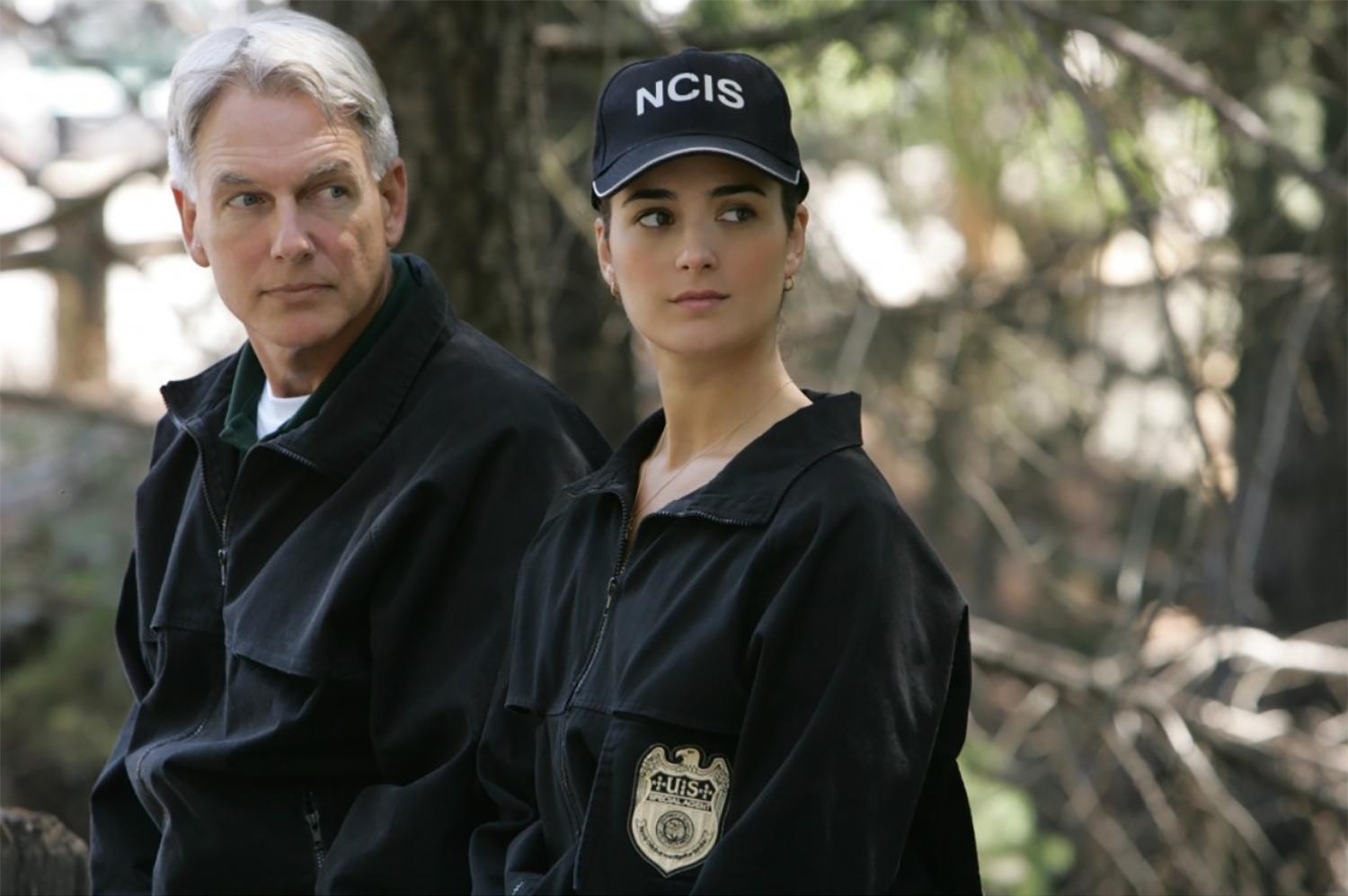
Television turns federal law enforcement into high-octane theater, and few shows wear that badge quite like the long-running franchise following the Naval Criminal Investigative Service. When agents kick down doors, enhance grainy security camera stills in seconds, and solve complex homicides within a single forty-five-minute episode, viewers are left wondering where television magic ends and genuine military policing begins.
The short answer is that the real NCIS is a formidable federal agency handling serious crimes, but it looks almost nothing like its television counterpart. Real federal investigations involve mountains of paperwork, strict adherence to constitutional constraints, meticulous multi-week forensic testing, and massive inter-agency coordination. By dissecting the operational realities of actual naval investigators, we can separate Hollywood fiction from everyday military justice.
The Real NCIS: Jurisdiction and Responsibilities
The Naval Criminal Investigative Service is an actual civilian federal law enforcement agency operating under the U.S. Department of the Navy. Unlike local police departments that handle crimes within specific geographic boundaries, NCIS has worldwide jurisdiction over felony-level crimes involving Navy and Marine Corps personnel, installations, and assets.
While the television show focuses almost exclusively on a single elite headquarters team in Washington, D.C., the real agency operates field offices and detachments globally. Agents are stationed at major naval bases, aircraft carriers, and expeditionary outposts across the world. Their mandate covers everything from counterintelligence and counterterrorism to cyber warfare and major criminal investigations, including homicides, sexual assaults, and narcotics trafficking within the military community.
Field Operatives Versus Bureaucratic Reality
On screen, characters like Leroy Jethro Gibbs operate as lone-wolf investigators who make their own rules, interrogate suspects with theatrical intensity, and lead every tactical raid. The reality of federal law enforcement is far more structured and collaborative.
Real-world NCIS special agents function within a strict chain of command and under the direct oversight of federal prosecutors from the Department of Justice or military judge advocates.
- Division of Labor: Field agents don't pull double duty as forensic scientists, computer hackers, and tactical operators all at once. Investigative work is divided among specialists who handle digital evidence, surveillance, interviewing, and intelligence analysis.
- First Responders: NCIS agents are rarely the first people on a crime scene. Military police, local law enforcement, or master-at-arms personnel typically secure the scene, manage initial containment, and call in federal investigators once a felony involving military personnel is established.
- Paperwork and Bureaucracy: The vast majority of an investigator's time is spent drafting reports, managing evidence logs, securing subpoenas, and preparing meticulous case files for court-martial proceedings or federal civilian courts.
The Myth of Instantaneous Forensic Technology
Perhaps the most glaring divergence between television and reality occurs in the forensic lab. Shows like NCIS rely heavily on dramatic shorthand to keep the plot moving forward. If a suspect leaves a single hair follicle or a blurred reflection in a rearview mirror, investigators on TV will have a full background check and residential address within thirty seconds.
Actual forensic science is methodical, cautious, and slow.
- Digital Forensics: Extracting data from a modern encrypted smartphone or hard drive can take weeks. Analysts must bypass security measures, write custom scripts to parse data, and verify the integrity of the files to ensure they are admissible in court.
- DNA and Ballistics: National databases like CODIS require rigorous matching protocols and verification. DNA analysis is not instantaneous; running samples, processing controls, and confirming results takes days or weeks, depending on lab backlogs.
- The "Enhance" Fallacy: As explored by computer science experts, zooming in on a low-resolution security camera image cannot invent new pixels out of thin air. Real forensic enhancement sharpens contrast and reduces noise, but it cannot magically reveal a suspect's face from a blurry smudge.
Legal Constraints and the Uniform Code of Military Justice
Federal investigators operating within the military sphere must navigate a unique and complex legal framework. They are bound by the United States Constitution, federal statutes, and the Uniform Code of Military Justice (UCMJ).
Television frequently bypasses these legal hurdles for dramatic convenience. In reality, agents must meticulously respect suspects' rights.
- Warrant Requirements: Under the Fourth Amendment, real NCIS agents must secure search and seizure warrants from appropriate judicial authorities before searching private property or personal digital devices.
- Interrogations: While television interrogations often feature high-stakes psychological manipulation and physical intimidation, actual federal questioning must adhere strictly to Article 31 of the UCMJ and Miranda rights. Coerced confessions are routinely thrown out in court-martial proceedings, making lawful interviewing techniques essential.
- Jurisdiction Over Civilians: When crimes involve both military personnel and civilian contractors or dependents overseas, jurisdictional lines become heavily blurred. Real agents must coordinate closely with host-nation authorities and the Department of State, a diplomatic process that rarely gets resolved in a single afternoon.
Common Misconceptions About Military Investigators
Pop culture has shaped several persistent myths about what it means to be a federal investigator in the armed forces. Clearing up these misconceptions reveals a more accurate picture of the profession.
- Myth: Agents carry personal vendettas and ignore superior orders. In a disciplined military structure, insubordination results in immediate administrative action or termination. Agents work as a cohesive unit under direct supervision.
- Myth: Every case involves international terrorism or high-tech espionage. While NCIS handles critical national security threats, the bulk of day-to-day casework involves standard criminal matters such as property theft, domestic issues, financial fraud, and local drug investigations within military communities.
- Myth: Agents wear tactical gear and kick down doors on every call. Tactical apprehensions and high-risk entries are typically handled by specialized military security teams or tactical response units rather than standard investigators.
Frequently Asked Questions
Do real NCIS agents carry badges and guns?
Yes. Special agents are federal law enforcement officers who carry standard-issue firearms, credentials, and badges. They are authorized to make arrests, execute search warrants, and carry weapons nationwide and in designated international assignments.
Can civilians work for NCIS?
Absolutely. While the agency employs former military personnel, a significant portion of the workforce consists of civilian investigators, forensic specialists, intelligence analysts, and administrative personnel who have never served in the armed forces.
How do you become an NCIS special agent?
Candidates generally need a bachelor's degree, U.S. citizenship, a clean background check capable of passing a top-secret security clearance, and several years of professional investigative or criminal justice experience. Applicants must also pass rigorous physical fitness tests and comprehensive interviews.
Are NCIS cases tried in civilian courts or military courts?
It depends on where the crime occurred and the status of the accused. Crimes committed by active-duty service members are typically prosecuted under the UCMJ in military courts-martial, whereas crimes involving civilians or occurring in certain jurisdictions may be tried in U.S. District Courts. You can read more about military jurisdiction guidelines via the Department of Defense.
Does the real agency have a lab as advanced as the show depicts?
The actual agency utilizes state-of-the-art forensic laboratories, often collaborating with agencies like the Federal Bureau of Investigation and independent scientific institutions to process complex evidence. However, their capabilities reflect real-world scientific limits rather than cinematic fiction.



