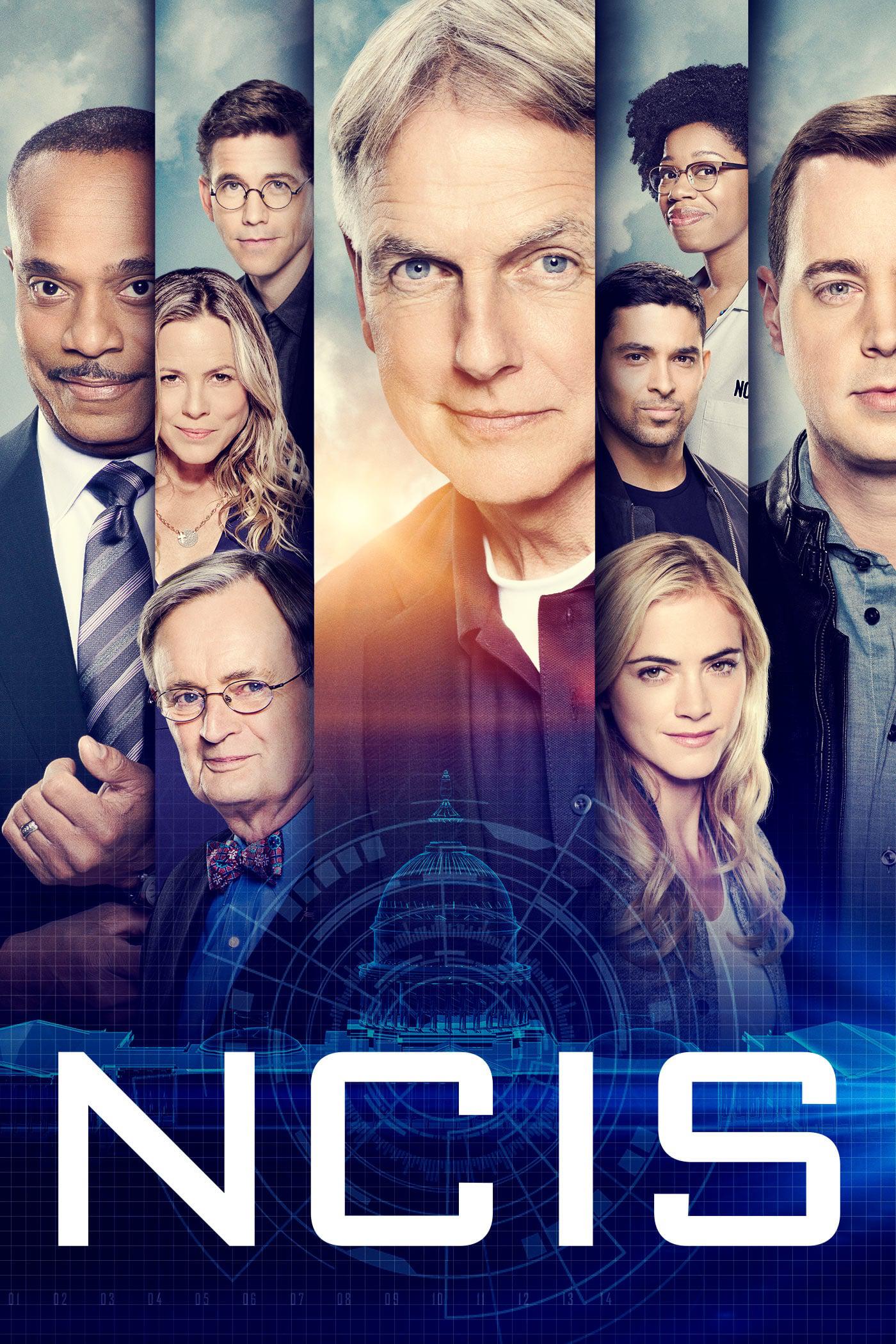
When NCIS: Los Angeles premiered on CBS in September 2009, it carried the massive weight of being the first major franchise spin-off. Over 14 seasons and 323 episodes, the show carved out its own distinct identity through high-octane stunts, deep cover operations, and an ensemble cast that felt like a tight-knit family. Finding the right mix of grit, charm, and procedural discipline made the casting department's work foundational to the show's long-term survival.
Behind the Office of Special Projects (OSP) shield stood performers who spent over a decade shaping characters fans invited into their living rooms every week. Examining how this roster came together reveals the choices that turned a standard police procedural into a fixture of modern network television.
The Core Duo: Anchoring the OSP Team
Any long-running procedural lives or dies by its central partnership. For this series, the chemistry between the primary leads carried hundreds of missions across international borders and domestic threats.
Chris O'Donnell as G. Callen
Casting the role of Special Agent Grisha "G." Callen required an actor capable of balancing effortless action-hero credibility with a deep vulnerability tied to a mysterious past. Chris O'Donnell stepped into the shoes of an undercover chameleon whose lack of personal history drove the psychological stakes of the early seasons. O'Donnell brought a grounded, weary charm that kept Callen relatable even when plots dipped into high-stakes espionage.
LL Cool J as Sam Hanna
Pairing a seasoned movie star with a rap icon created a unique dynamic. LL Cool J (James Todd Smith) brought physical dominance and emotional weight to Special Agent Sam Hanna, a former Navy SEAL. Hanna's strict moral code, fierce loyalty, and unexpected soft spots—particularly for family and rescue animals—provided a sharp counterweight to Callen's rogue tendencies. Their banter became the heartbeat of the show, anchoring dramatic scenes with authentic camaraderie.
The Supporting Engine: Building the Ensemble
A specialized undercover unit needs more than two field agents to run smoothly. The supporting cast filled crucial operational niches, transitioning from recurring players to essential fixtures of the narrative.
Linda Hunt as Hetty Lange
Few characters in modern television command a room quite like Henrietta "Hetty" Lange. Oscar-winner Linda Hunt imbued the operations manager with an eccentric, hyper-competent aura that kept every agent on edge. Hetty's mysterious background involving Cold War ops and secret training programs gave the OSP unit its institutional memory. Hunt's physical stature contrasted sharply with Hetty's intimidating presence, creating an unforgettable screen persona.
Daniela Ruah and Eric Christian Olsen as Kensi Blye and Marty Deeks
The slow-burn romance between Special Agent Kensi Blye and LAPD liaison Marty Deeks ("Densi") became one of the primary reasons viewers tuned in for the long haul. Daniela Ruah brought fierce athleticism and steady marksmanship to Kensi, while Eric Christian Olsen injected erratic, quick-witted humor as Deeks. Their transition from partners to spouses happened over multiple seasons, giving the writers room to develop a natural, lived-in relationship dynamic.
Technical Support and Operational Shifts
As television production standards evolved, the OSP bullpen required specialized technical and analytical roles to match modern threats like cyber warfare and global surveillance networks.
Barrett Foa and Renée Felice Smith
Tech operator Eric Beale (Barrett Foa) and intelligence analyst Nell Jones (Renée Felice Smith) handled the computer-heavy exposition. Their quirky office dynamic provided comic relief during tense interrogations and tactical tracking sequences. Foa and Smith managed to make technical jargon sound urgent, anchoring the control room while the field team dodged bullets across Southern California.
Later Additions and Veteran Reinforcements
As senior cast members scaled back their episode counts or departed, the casting directors brought in fresh faces to maintain squad numbers. Medalion Rahimi as Fatima Namazi and Caleb Castille as Devin Rountree injected younger energy into the tactical unit. Meanwhile, veteran actor Gerald McRaney joined as Admiral Hollace Kilbride, bringing old-school naval authority to fill the leadership vacuum left during Hetty's various absences.
Common Misconceptions About the Casting Process
Viewers often assume long-running network shows cast every role through straightforward studio auditions, but procedural casting involves unique constraints.
- Chemistry Reads Were Mandatory: Because the core dynamic relied entirely on interpersonal friction and banter, actors auditioning for secondary or primary roles had to test directly with existing leads to prove their rhythm.
- Guest Stars Were Often Borrowed: The interconnected nature of the Internet Movie Database records shows that several guest actors crossed over from other network properties or returned as entirely different characters in early episodes before landing permanent recurring spots.
- Physical Stunts Shaped Choices: Production requirements meant actors needed endurance for heavy wirework, tactical weapon handling, and extended foot chases through urban environments.
Frequently Asked Questions
Why did Hetty Lange disappear in the later seasons?
Linda Hunt had a reduced screen presence during the final seasons due to health precautions, scheduling adjustments, and personal choices, which writers cleverly wove into the plot by sending Hetty on mysterious international assignments.
Did the main actors perform their own stunts?
While major action sequences and dangerous falls relied on professional stunt doubles, the core cast handled a significant portion of the close-quarters combat, weapon handling, and driving sequences under controlled studio supervision.
Was the show filmed entirely in Los Angeles?
While exterior establishing shots and second-unit footage captured authentic Los Angeles scenery, the majority of interior bullpen, stage, and dialogue scenes were filmed on soundstages in the greater Los Angeles area.
How did the series handle the departure of original cast members?
Departures like Eric Beale and Nell Jones were written into the narrative as career evolution, allowing characters to exit gracefully to pursue private ventures without requiring sudden or tragic plot twists.



