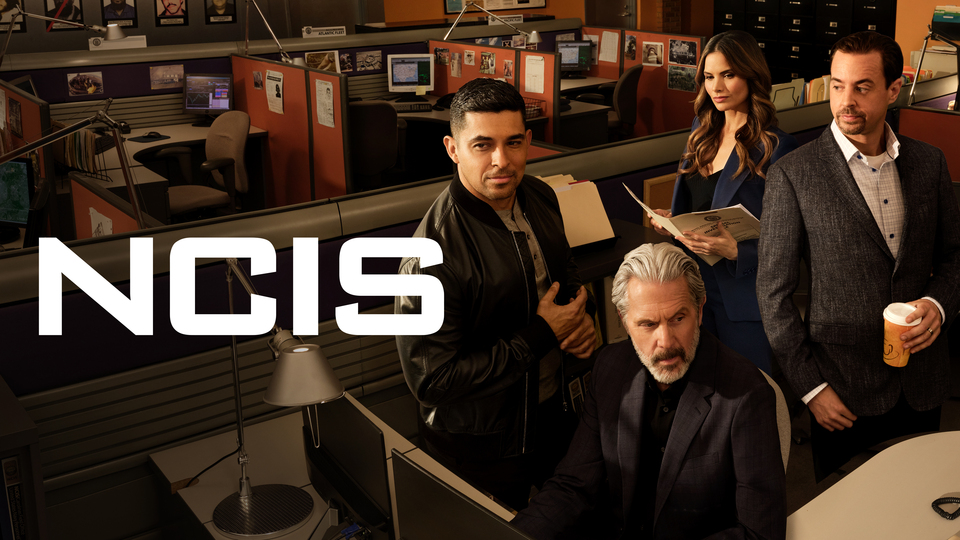
NCIS Los Angeles anchored CBS's primetime lineup for fourteen seasons by pairing high-stakes tactical operations with a tightly knit ensemble cast. The series followed the Office of Special Projects (OSP), a covert Los Angeles-based branch tasked with neutralizing national security threats through deep undercover work and advanced surveillance. Rather than relying solely on procedural formulas, the show sustained its run by building durable personal relationships among agents who functioned as an operational family.
The search intent behind queries about the cast centers on understanding how specific actor dynamics, character arcs, and operational units shaped the show's identity. While viewers often look for actor biographies or character lists, they also seek insight into why this particular ensemble resonated so deeply compared to standard procedural fare. This guide breaks down the core team, structural choices, behind-the-scenes chemistry, and common misconceptions surrounding the production.
The Core OSP Ensemble and Character Dynamics
The narrative architecture of the series depended on distinct pairing dynamics within the OSP unit. These pairings established predictable rhythms while allowing individual character backgrounds to drive episodic conflicts.
- G. Callen (Chris O’Donnell): Introduced as an agent with a fractured past and chameleon-like adaptability, Callen's undercover skills anchored many of the series' psychological storylines. His long-running quest to uncover his true identity provided a multi-season narrative arc.
- Sam Hanna (LL Cool J): A former U.S. Navy SEAL, Sam brought a disciplined tactical mindset and a strong moral compass to the team. His partnership with Callen balanced Callen's impulsive edge with grounded tactical precision.
- Kensi Blye (Daniela Ruah) and Marty Deeks (Eric Christian Olsen): Transitioning from a professional partnership to a romantic relationship, Kensi and Deeks provided the series' primary emotional anchor. Their banter injected necessary levity into high-stress missions.
- Hetty Lange (Linda Hunt): As the operations manager, Hetty served as the enigmatic mastermind of the unit. Hunt's portrayal combined maternal warmth with an intimidating history in intelligence, giving the team an unquestioned authority figure.
Structural Evolution and Behind-the-Scenes Chemistry
The production longevity of NCIS: Los Angeles relied on gradual roster shifts rather than sweeping overhauls. When characters rotated out, replacements were integrated through established institutional channels. For instance, tech analysts Eric Beale (Barrett Foa) and Nell Jones (Renée Felice Smith) evolved from desk-bound support staff into field-capable operatives over multiple seasons. This organic growth mirrored real-world federal law enforcement career paths, where analysts often transition to field roles. If you want more about the context of this, Associated Press provides an excellent breakdown.
According to interviews and behind-the-scenes features compiled by CBS, the cast maintained a rare off-screen continuity. Actors frequently cited the stability of the crew and the Los Angeles-based shooting schedule as factors that preserved cast cohesion. This off-screen rapport translated directly into screen chemistry, making the tactical banter and high-pressure rescues feel authentic to viewers.
Common Mistakes and Misconceptions About OSP
Audiences new to the franchise often confuse the fictional Office of Special Projects with real-world federal structures.
- Fictionalized Jurisdiction: OSP is portrayed as a fictional subdivision of the Naval Criminal Investigative Service. In reality, NCIS investigates criminal offenses involving Navy and Marine Corps personnel, whereas OSP's focus on domestic counter-terrorism and elite undercover work heavily borrows from FBI and military special operations mandates.
- Tech Portrayal: The speed and capability of the unit's technical surveillance—often managed by Eric and Nell—frequently dramatized real-world cyber capabilities. While network television requires compressed timelines for digital forensics, the foundational concepts of signals intelligence and geolocation were grounded in authentic techniques.
- Undercover Plausibility: Characters regularly assumed multiple distinct identities within short timeframes. In professional federal investigations, building deep cover identities requires months of background fabrication, contrasting with the rapid-fire infiltration seen on screen.
Frequently Asked Questions
Why did NCIS: Los Angeles end after fourteen seasons?
CBS canceled the series in 2023 primarily due to rising production costs associated with a long-running ensemble cast and older broadcast series economics, rather than a drop in viewer interest. The final season provided a planned narrative conclusion for the core characters.
Did the cast members perform their own stunts?
While principal actors handled standard physical acting, running, and weapon handling, specialized stunts involving high-speed vehicle maneuvers, explosions, and high falls were executed by professional stunt doubles to ensure set safety.
How did Linda Hunt's availability affect her role in later seasons?
Linda Hunt's screen time varied in the later seasons due to scheduled leaves of absence and health precautions, particularly during production adjustments. The writers addressed this by having Hetty operate on mysterious international assignments, keeping her presence felt without requiring daily on-set participation.
What distinguishes NCIS: Los Angeles from the original Washington D.C. series?
While the original NCIS focuses heavily on military forensic investigations and institutional bureaucracy, NCIS: Los Angeles leans entirely into the espionage, tactical action, and undercover operations typical of a specialized counter-intelligence unit.


