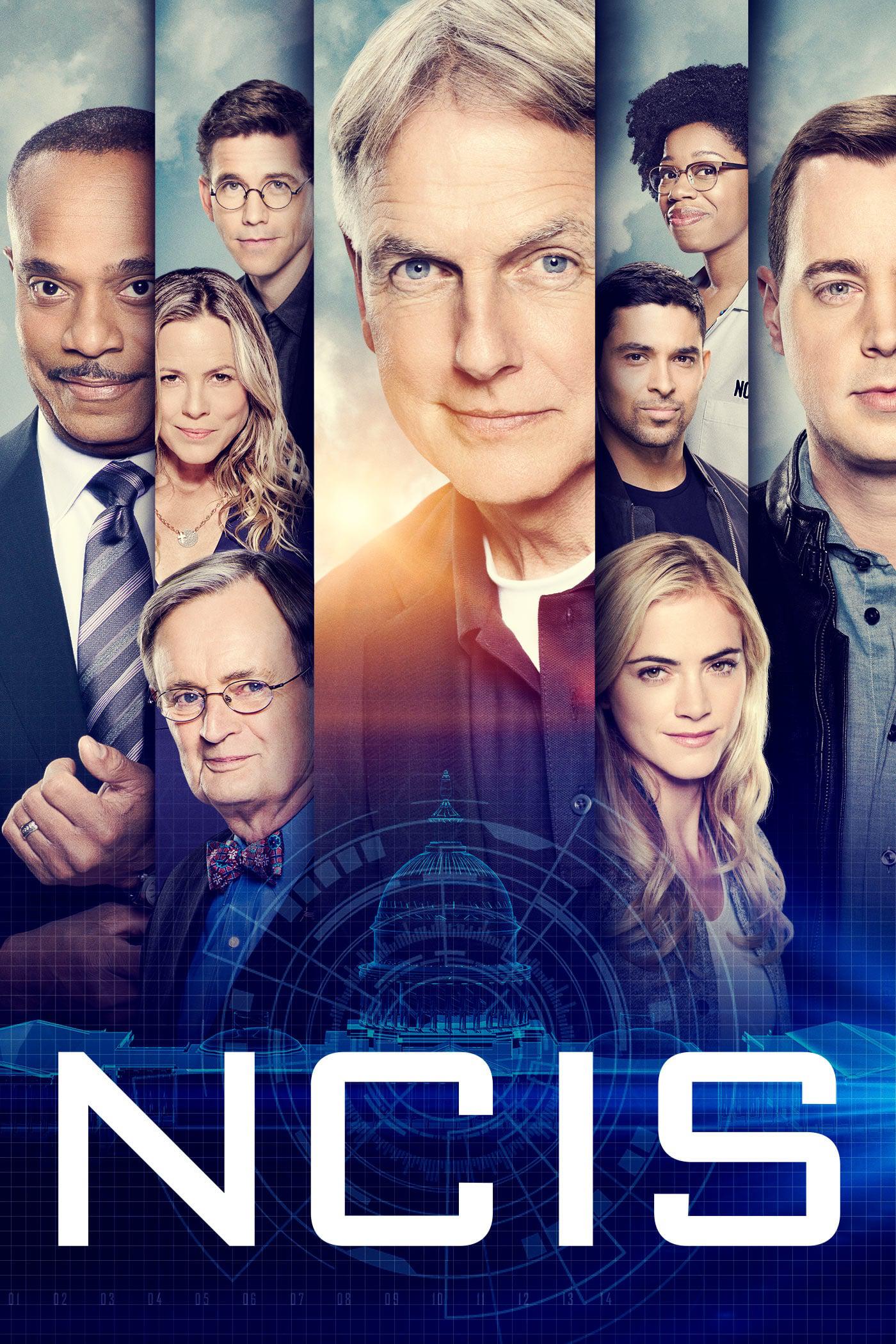
Television procedurals rarely survive fourteen seasons without major structural shifts, but NCIS: Los Angeles managed to reinvent its core dynamics while keeping its foundational identity intact. Premiering on CBS in 2009 as the first major spin-off of the massive NCIS franchise, the show relied on a distinct blend of high-octane tactical action and deep-seated personal loyalty within the Office of Special Projects (OSP). Tracking how the personnel changed from the pilot episode to the series finale reveals careful casting choices, unexpected behind-the-scenes transitions, and real-world factors that dictated character survival.
Understanding the trajectory of the OSP team means looking past standard episodic summaries to examine how contract negotiations, creative burnouts, and actor availability shaped fourteen years of television history. From the early days of establishing the G. Callen and Sam Hanna partnership to the late-stage integration of newer field operatives, the evolution of the roster reflects the natural growing pains of a long-running broadcast drama.
The Core Foundation: Season One Lineup and Initial Dynamic
When the series launched, the creative team built the unit around two distinct investigative anchors. Chris O'Donnell stepped into the role of G. Callen, a chameleon-like agent searching for his true identity, while LL Cool J played Sam Hanna, a former Navy SEAL whose strict moral code and family background grounded the high-tech operations. This pairing formed the beating heart of the show, relying on a sharp contrast between Callen's rootless nature and Sam's steadfast dedication.
Supporting them from the shadows was Linda Hunt as Henrietta "Hetty" Lange, the eccentric, highly capable operations manager who functioned as a maternal figure to the entire unit. In the tech bullpen, Barrett Foa portrayed Eric Beale, establishing the tech-operator archetype that became standard across modern procedural television. Meanwhile, Daniela Ruah joined as Kensi Blye, an intense junior field agent who quickly proved her capability in high-pressure tactical environments.
Behind the scenes, the production crew intentionally separated NCIS: Los Angeles from its parent series by leaning heavily into cinematic steadicam work, extensive Los Angeles locations, and serialized undercover assignments. While the original NCIS relied on a traditional squad room setup, the OSP operated out of a secretive mission control facility filled with multi-screen monitoring systems, setting a distinct visual tone that required the actors to master complex technical dialogue on the fly.
Mid-Series Shifts: Expanding the Family and Crew Departures
As the series progressed into its middle years, structural adjustments altered the dynamic of the bullpen. Eric Christian Olsen joined early on as Marty Deeks, an LAPD liaison whose humorous exterior masked a traumatic past and sharp investigative instincts. His partnership and eventual romance with Kensi Blye—frequently referred to by fans as "Densi"—became a primary narrative engine for the middle seasons, shifting some of the dramatic weight away from the core Callen-Sam axis.
Personnel changes behind the camera and on screen frequently mirrored narrative necessities. Miguel Ferrer entered the main cast as Owen Granger, an acerbic assistant director whose cold administrative demeanor eventually softened into a protective mentorship before Ferrer's passing in 2017. Similarly, Renée Felice Smith stepped up as Nell Jones, expanding the intelligence analyst role and taking on field responsibilities that shifted the balance of power within the operations room.
Contract renewals and actor availability led to temporary and permanent departures that forced the writing staff to adapt. When actors sought breaks for personal projects or theatre commitments, scripts were structured around undercover operations or international reassignments. This flexibility kept the fictional universe cohesive even when key performers were absent for multi-episode arcs.
The Final Years: Generational Turnover and Conclusion
The final seasons introduced a new generation of agents to keep the tactical team sustainable. Medalion Rahimi as Fatima Namazi and Caleb Castille as Devin Rountree brought fresh energy to the field, representing modern law enforcement challenges and tech-savvy investigative methods. These additions allowed veteran characters like Sam and Callen to transition into mentor roles, mirroring the real-world passage of time for actors who had spent over a decade with the characters.
Behind the scenes, filming through the global disruptions of the early 2020s presented unprecedented logistical challenges for the crew. Production protocols required staggered shooting schedules, localized set builds, and careful coordination to execute complex stunt sequences safely. Despite these hurdles, the creative team focused heavily on wrapping up long-running character arcs, culminating in Callen's wedding and a deliberate effort to honor the show's fourteen-year legacy without resorting to abrupt, unresolved cliffhangers.
Viewers interested in the broader operational history of the network can explore production timelines directly through resources like the CBS Official Site or review industry coverage via Variety.
Common Misconceptions About the Cast and Production
Audience discussions often misinterpret why certain characters left or how decisions were made on set.
- Misconception: Actors left abruptly due to creative conflicts with the network.
- Reality: Most departures were planned well in advance, driven by actor contracts ending, mutual agreements to pursue theater or family commitments, or natural narrative conclusions.
- Misconception: The show was filmed entirely inside the Los Angeles mission control stage.
- Reality: While the OSP bullpen was a soundstage build, a substantial portion of tactical raids, vehicle pursuits, and outdoor dialogue scenes utilized actual Southern California exterior locations under tight shooting schedules.
- Misconception: Hetty's reduced screen time in later seasons was due to character writing choices alone.
- Reality: Linda Hunt's physical presence in later seasons was adjusted to accommodate her health needs and a desire to scale back rigorous shooting hours, prompting writers to frame her storylines around remote international missions.
Frequently Asked Questions
Why did Hetty Lange disappear for long stretches in the later seasons?
Linda Hunt wanted to step back from full-time filming schedules, leading writers to create storylines where Hetty was operating on secret missions overseas or running deep-cover intelligence operations that required only remote video check-ins.
Was the relationship between Kensi and Deeks planned from the start?
No. Eric Christian Olsen's character was initially introduced as a recurring guest star during season two. The intense chemistry between the actors and the positive viewer response prompted showrunners to make Deeks a series regular and gradually build their romantic arc over several years.
Did any cast members cross over from the original NCIS series permanently?
Permanent transfers were rare, but characters frequently moved between properties. Characters like Eric Beale and Nell Jones occasionally referenced events from Washington, and special guest appearances by actors like Pauley Perrette as Abby Sciuto helped tie the shared universe together during the early seasons.
How did the series handle the real-life passing of Miguel Ferrer?
Following Miguel Ferrer's death in 2017, the writers incorporated his illness and passing into the narrative, allowing Owen Granger to quietly exit the show on his own terms while giving the cast realistic space to grieve on screen.
Why did the series end after fourteen seasons?
CBS and the production team mutually decided to conclude the run while the show could maintain high production values and deliver a proper, character-focused send-off rather than facing an unexpected cancellation.
[<::YoutubeVideo::> https://www.youtube.com/watch?v=kzVcex0Wa7U] This video provides a visual retrospective comparing the main cast members from the first season to the final season of the series.



