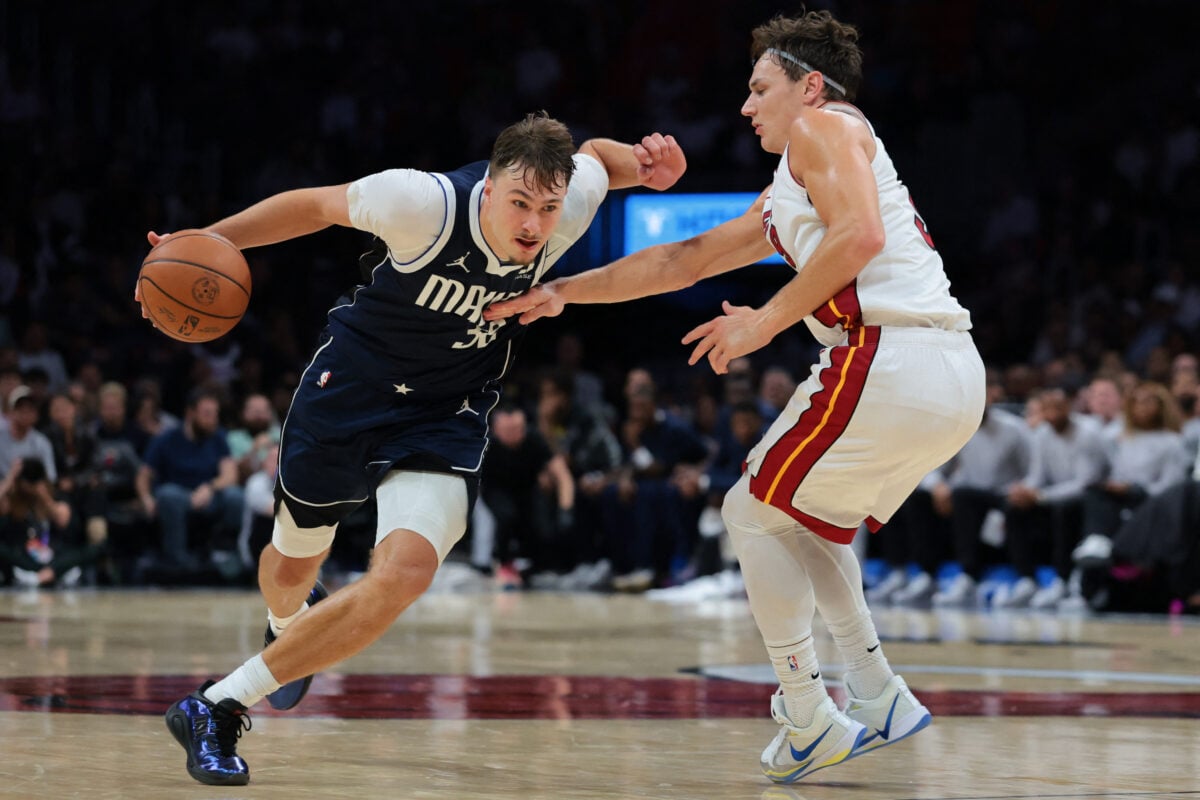
Winning the NBA Rookie of the Year award serves as the ultimate formal declaration of a young player's arrival on the professional stage. Handed out annually to the league's top-performing first-year player, this accolade tracks the transition of elite talent from college basketball, international leagues, or developmental programs straight into the rigorous 82-game regular season. The recipient receives the prestigious Wilt Chamberlain Trophy, a nod to the legendary center who captured both Rookie of the Year and Most Valuable Player honors in the same 1959-60 campaign.
Understanding how this honor works requires looking past the surface box scores. Voters weigh individual scoring efficiency, defensive impact, team context, and durability over the grueling span of months. From iconic races featuring generational talents to unexpected dark-horse campaigns, the history of the award tells the story of how the league evolves from era to era.
The Voting Process and Selection Criteria
The selection mechanism for the award relies on an independent panel of sportswriters and broadcasters from the United States and Canada. These media members watch games across the league all winter and cast ballots containing three choices.
- First-place votes are worth five points.
- Second-place votes are worth three points.
- Third-place votes are worth one point.
The player who accumulates the highest total points wins the trophy. Unlike awards determined entirely by advanced algorithms, this system incorporates expert context. Voters consider how a rookie handles high-usage roles, transforms a struggling franchise, or contributes winning plays on a playoff-bound roster.
Eligibility rules have also tightened over time. To qualify for major regular-season awards under modern collective bargaining agreements, players generally must meet specific participation thresholds, safeguarding the honor for athletes who maintain a substantial presence throughout the entire schedule.
Evolution of the Rookie Landscape
The profile of a top-tier first-year player has shifted dramatically since the NBA established the award in the 1952-53 season, when Don Meineke took home the inaugural trophy. Early decades were dominated by college seniors who spent three or four years refining their craft in the NCAA, entering the professional ranks with polished fundamentals and mature physical frames.
As the decades progressed, the pipeline diversified. The arrival of high school-to-pro prodigies in the late 1990s and 2000s—such as Kobe Bryant and LeBron James—shifted expectations. Youngsters were suddenly expected to shoulder heavy offensive loads right away. In modern basketball, international development pipelines and professional pathways like the NBA G League Ignite or overseas professional clubs mean incoming players frequently face high-level competition before ever stepping onto an American hardwood floor. This preparation allows elite teenagers and early-twenties prospects to put up historic numbers straight out of the gate.
Historical Milestones and Unanimous Selections
While hundreds of athletes have stepped onto the court, only a select group etched their names into the record books with dominant debut seasons. Wilt Chamberlain set an almost untouchable statistical bar in 1960 by averaging 37.6 points and 27 rebounds per game. Decades later, Michael Jordan electrified the Chicago Bulls in 1985 with an explosive scoring campaign that captured global attention.
A rare tier of players managed to sweep every single first-place vote, achieving unanimous status. Ralph Sampson, David Robinson, Blake Griffin, Damian Lillard, and Karl-Anthony Towns all achieved this clean sweep, reflecting consensus agreement among media members that no other first-year athlete matched their production.
Conversely, entire franchises have experienced strange droughts. Teams like the Atlanta Hawks, Denver Nuggets, and Miami Heat have never featured a player who won the award, proving that historical success or franchise stability doesn't automatically translate into individual rookie dominance.
Common Misconceptions About First-Year Success
Fans often assume that the player selected with the number one overall pick in the NBA Draft is guaranteed to capture the trophy. History proves otherwise. While top picks like LeBron James, Shaquille O'Neal, and Tim Duncan lived up to the billing, many winners were selected outside the top spot, or even outside the lottery entirely.
Another frequent mix-up involves confusing raw scoring totals with overall value. A rookie who puts up twenty points per game on a rebuilding team with a poor defensive rating may lose out to a lower-scoring contributor who anchors a winning defensive scheme or orchestrates an efficient offense as a primary playmaker. Voters regularly reward impact that stretches beyond basic points per game columns.
Frequently Asked Questions
Can a player win Rookie of the Year after missing their actual draft year?
Yes. If a drafted player spends a season playing overseas, recovering from an injury, or sitting out for developmental reasons, they remain eligible for the award during the official season in which they play their first NBA games.
Has any player won Rookie of the Year and Defensive Player of the Year simultaneously?
No player has ever captured both major awards in the exact same season. However, elite defensive prodigies like Victor Wembanyama have finished high in both voting categories during their debut campaigns, showcasing rare two-way versatility.
Do international players face any special restrictions for the award?
International players face the same age and experience criteria as domestic prospects. If they meet the baseline professional requirements and play their first official NBA regular-season games, they are fully eligible to receive votes from the media panel.
What happens if two rookies tie in the voting totals?
If an exact tie occurs in voting points between two candidates, the league shares the honor, presenting duplicate trophies. While rare, co-winners have occurred in NBA history when voting splits resulted in identical point totals across the media panel.


