Navigating South Korea's digital ecosystem requires a complete shift away from Western optimization playbooks. If you rely solely on traditional backlink metrics or international domain authority, your content won't surface. South Korea's dominant search engine operates on a localized architecture that heavily prioritizes native language integration, user-generated platform activity, and advanced AI retrieval systems. Recent updates have transformed how visibility is earned, making it essential to adapt your strategy.
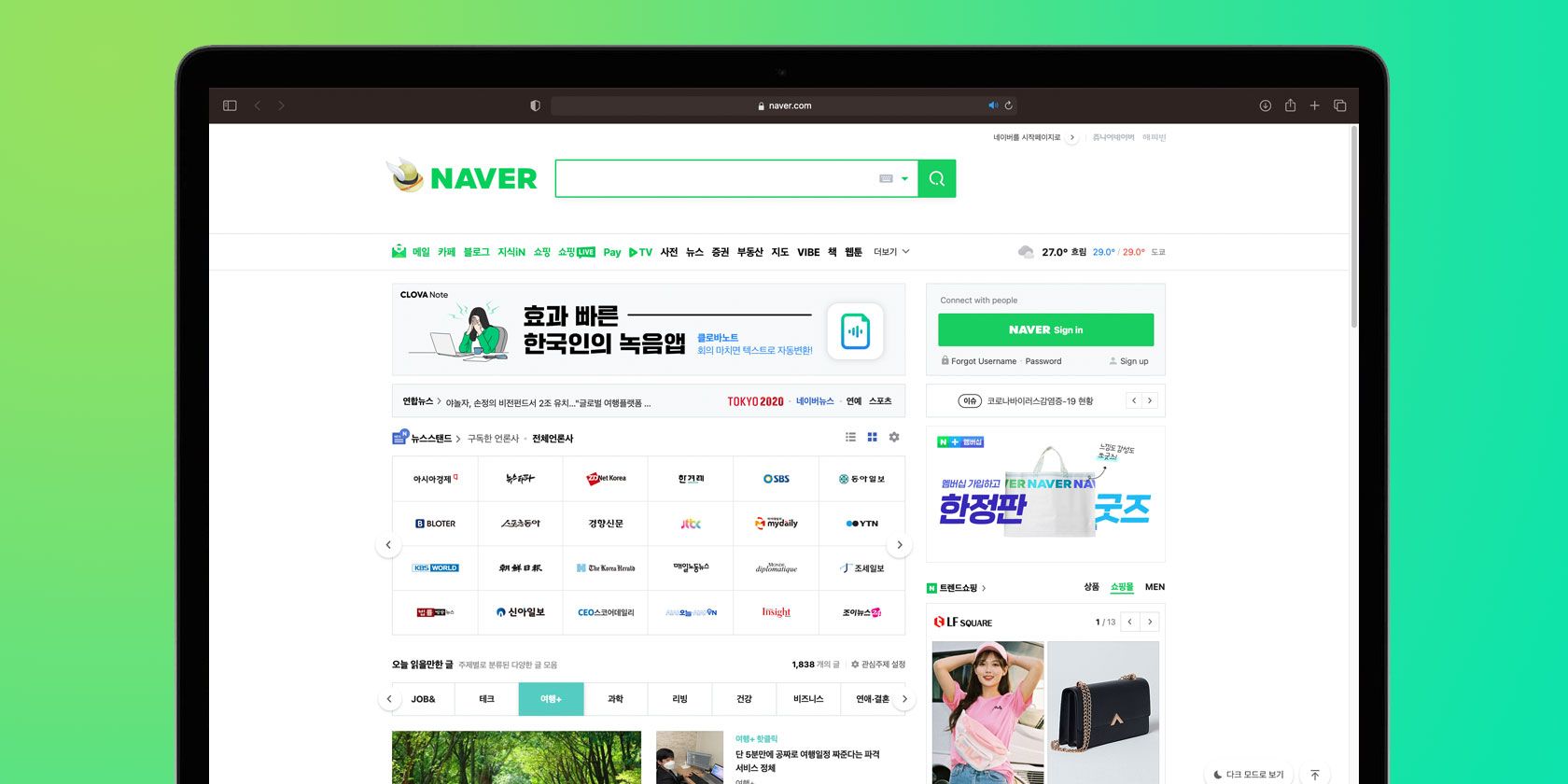
Understanding Naver search engine optimization means looking beyond standard keyword placement. The platform integrates proprietary properties like blogs, community forums, and conversational AI summaries directly into the main results page. To outrank legacy pages, you need a precise blueprint that addresses these unique ranking factors, avoids common pitfalls, and aligns directly with how Korean consumers search today.
Decoding Naver Core Ranking Signals
Naver evaluates content through a distinct set of ranking filters designed to measure authenticity, recency, and local engagement. Unlike platforms that lean heavily on external link profiles, Naver's underlying algorithms—traditionally known through frameworks like C-Rank and D.I.Y.A.—prioritize the integrity of the publishing source and user interaction patterns.
- Content Freshness: Naver rewards recently published or actively updated material, particularly for trending topics or fast-moving consumer queries.
- Native Platform Integration: Activity generated within ecosystem properties like Naver Blog and Naver Café carries substantial weight in overall visibility.
- User Engagement Metrics: Clicks, comment volume, share frequency, and dwell time directly influence whether a page sustains its position in competitive search results.
Websites that want to rank independently must ensure their technical setup matches local expectations. Servers hosted within South Korea and clean XML sitemaps submitted through Naver Search Advisor are non-negotiable baselines for effective crawling.
The AI Transformation and Search Behavior Shifts
Recent algorithmic shifts have deeply embedded artificial intelligence into the search experience. AI Briefings synthesize direct answers for a large percentage of queries, changing how users interact with information. Related search features have given way to dynamic, conversational interfaces and follow-up query suggestions.
- Natural Language Queries: Users are moving away from fragmented keywords, typing complete, conversational questions that describe precise scenarios.
- Experiential Data Priority: AI retrieval models pull heavily from firsthand reviews, community discussions, and detailed context regarding food, travel, and products.
- Extended Search Sessions: Because interface features prompt natural follow-ups, visibility depends on answering secondary questions rather than just targeting a single root term.
To capture traffic within these AI-driven environments, content must be structured to answer comprehensive user intents. You can explore technical infrastructure requirements directly via the Naver Search Advisor.
Actionable Strategy for Korean Content Success
Adapting to these shifts requires a deliberate operational shift. Follow these practical steps to build a resilient presence across South Korean search results:
- Conduct Native Keyword Research: Utilize local research utilities to identify search terms and colloquial phrases actually used by Korean consumers, avoiding literal translations.
- Build a Dual-Channel Ecosystem: Combine an optimized independent website with an active Naver Blog or Café presence to capture both traditional and community-driven search intent.
- Incorporate Structured Data: Implement clean schema markup to help AI retrieval models correctly interpret your brand information, products, and FAQs.
- Prioritize Firsthand Experience: Write detailed content that documents real use cases, specific measurements, and genuine local context rather than generic overviews.
- Monitor Performance Closely: Track indexation health, crawl errors, and organic traffic shifts directly through Naver Search Advisor rather than relying exclusively on global consoles.
For additional perspective on international digital marketing frameworks, you can review insights from the Korea Tourism Organization.
Common Mistakes to Avoid
Many international brands fail in this market because they treat Naver like a localized version of global search engines. Avoiding these missteps will protect your organic visibility:
- Using Translated Copy: Direct machine or human translation without cultural adaptation fails to resonate and ignores how native speakers frame queries.
- Ignoring Local Hosting: Relying entirely on overseas servers often results in latency issues and poor crawling efficiency by Naver's crawler, Yeti.
- Neglecting Community Signals: Focusing solely on traditional off-page backlink acquisition while ignoring native community platforms leaves massive visibility gaps.
- Overlooking Mobile Optimization: Given that mobile traffic dominates South Korean search behavior, rigid layouts or slow-loading assets immediately penalize rankings.
Frequently Asked Questions
Do international backlinks help rank on Naver?
External backlinks from high-authority global sites carry minimal weight compared to links originating from domestic Korean domains and active ecosystem participation.
Is a Korean-language domain mandatory?
While global domains (.com) can rank with proper optimization, utilizing a localized domain structure or hosting infrastructure significantly streamlines trust and crawling performance.
How do AI search updates affect traditional SEO?
AI-driven summaries mean you must structure text to answer complete questions directly, incorporating clear headings and context that AI models can easily parse and cite.
Can I use standard Google tools for tracking?
Google Search Console cannot monitor your standing on Naver. You must use Naver Search Advisor for accurate indexation data, sitemap submissions, and traffic analysis.