Modern maritime defense isn't just about steel hulls and sonar pulses; it's heavily fought through encrypted spectrums, satellite links, and complex data streams. The Naval Information Warfare Center (NIWC)—operating through its major entities like NIWC Atlantic and NIWC Pacific—engineers the technology that keeps naval fleets connected, secure, and dominant across the world's oceans. From deep-sea acoustic research to resilient cloud-enabled architectures, these labs build the digital armor protecting global trade routes and military assets.
Understanding how these technical hubs operate requires looking past traditional ship firepower into the realm of command, control, communications, computers, intelligence, surveillance, and reconnaissance (C4ISR). They bridge the gap between abstract scientific research and immediate fleet operations, ensuring that sailors and Marines can communicate securely even in heavily contested electronic environments.
Core Mission Areas and Technical Scope
The primary objective of NIWC is to research, develop, test, and integrate full-spectrum information warfare capabilities for the United States Navy and Department of Defense. Rather than building physical warships, these centers build the invisible nervous system that links them together.
Operational divisions focus on several critical vectors to maintain maritime superiority:
- Assured Communications: Designing resilient radio frequency and satellite systems that resist jamming and interception.
- Cybersecurity and Defense: Hardening afloat networks, shore installations, and tactical edge devices against sophisticated state-sponsored cyber threats.
- Unmanned Systems Integration: Developing software and control architectures for autonomous underwater, surface, and aerial vehicles.
- Positioning, Navigation, and Timing (PNT): Providing precise navigation infrastructure in GPS-denied or heavily monitored environments.
By operating laboratories directly adjacent to major fleet concentrations, engineers maintain a tight feedback loop with active-duty personnel. This proximity ensures that software updates, cybersecurity patches, and hardware prototypes address real-world challenges faced at sea rather than theoretical lab conditions.
Research Facilities and Testing Infrastructure
Developing technology for extreme marine environments demands specialized testing grounds. NIWC maintains unique facilities that simulate acoustic, electromagnetic, and atmospheric conditions impossible to replicate in standard offices.
For underwater research, facilities like the Transdec acoustic pool in San Diego provide millions of gallons of water engineered to eliminate extraneous noise, allowing precise testing of sonar and underwater communication systems. Similarly, extensive anechoic chambers test electromagnetic compatibility and interference, ensuring that a ship's dense array of radar and communication antennas won't disrupt one another.
High-performance computing centers allow researchers to process massive datasets, run simulations, and train machine learning models used for automated threat detection. These digital environments help engineers prototype systems faster, moving concepts from digital design to physical deployment without lengthy trial-and-error cycles on actual warships.
Key Technological Advancements in Ocean Security
Protecting ocean spaces requires managing data at an unprecedented scale. Traditional rigid software models are too slow for modern naval engagements, prompting a shift toward agile development and cloud-enabled infrastructures.
Afloat Networks and Enterprise Services
Programs like the Consolidated Afloat Networks and Enterprise Services (CANES) standardize and modernize computing environments across the surface fleet. CANES consolidates numerous legacy networks into a secure, scalable architecture, reducing maintenance overhead while boosting cybersecurity defenses against intrusion.
Artificial Intelligence and Data Fusion
Naval operators are frequently overwhelmed by telemetry, radar feeds, and intelligence reports. NIWC integrates artificial intelligence and machine learning tools to sort through background noise, highlight genuine anomalies, and accelerate decision-making cycles for commanders.
Small Autonomous Systems
Unmanned vehicles expand the operational reach of the fleet without risking human lives. Engineers develop control systems that allow autonomous underwater vehicles (UUVs) and uncrewed surface vessels (USVs) to map seabeds, detect mines, and conduct persistent surveillance across vast maritime zones.
More details on overarching naval acquisition frameworks are managed through the Naval Information Warfare Systems Command (NAVWAR), which coordinates these research centers with broader military strategy.
Common Challenges in Maritime Information Warfare
Securing modern oceans via digital networks introduces vulnerabilities that don't exist in traditional warfare. Engineering teams constantly navigate complex hurdles to keep systems operational:
- Electromagnetic Congestion: The radio frequency spectrum is crowded. Military systems must operate reliably despite commercial interference and intentional adversarial jamming.
- Legacy System Integration: Upgrading older ships with modern digital architecture requires delicate engineering to avoid breaking existing physical infrastructure.
- Edge Computing Limitations: Ships at sea experience intermittent connectivity. Systems must process critical data locally rather than relying constantly on cloud servers located on the mainland.
- Rapid Threat Evolution: Cyber adversaries constantly adapt their tactics, requiring continuous deployment of security patches and adaptive defense protocols through DevSecOps pipelines.
Additional context regarding broader Department of Defense research initiatives can be found via the Defense Technical Information Center.
Frequently Asked Questions
What is the difference between NAVWAR and NIWC?
NAVWAR serves as the parent systems command responsible for designing, delivering, and sustaining communication and information systems. NIWC (Atlantic and Pacific) functions as the primary research, engineering, and laboratory arm that executes that vision and builds the technical solutions.
How does NIWC protect ships from cyber attacks?
Teams utilize advanced cybersecurity frameworks, continuous monitoring, and secure software development pipelines (DevSecOps) to harden both afloat networks and shore-based infrastructure against intrusion.
Do these centers only support the Navy?
While the primary focus is the U.S. Navy and Marine Corps, NIWC also provides critical C4ISR, networking, and security support to joint services, coalition partners, and other national defense agencies.
Where are NIWC facilities located?
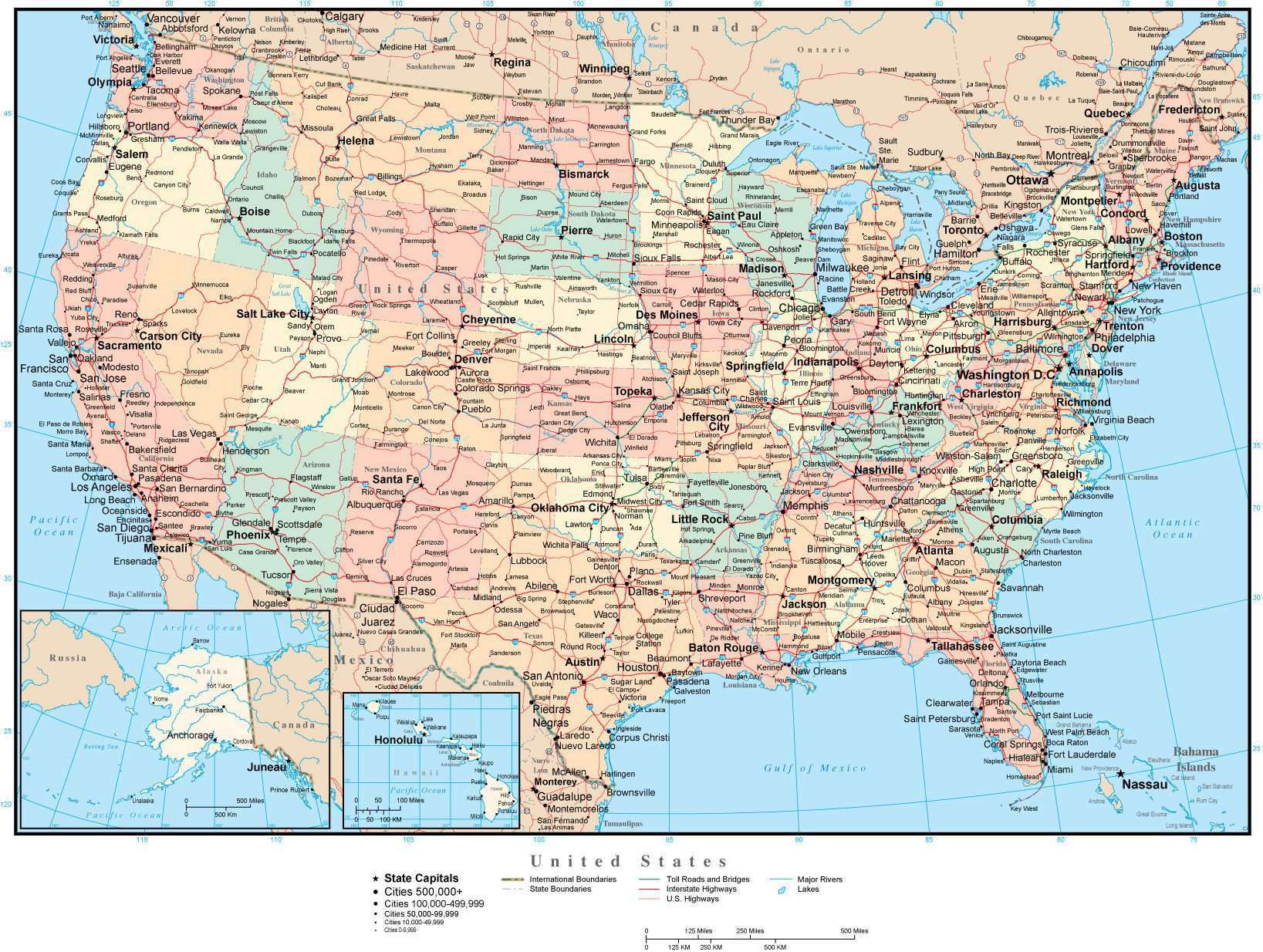
The organization is headquartered in San Diego, California (NIWC Pacific) and Charleston, South Carolina (NIWC Atlantic), with numerous domestic and international detachments supporting fleets worldwide.