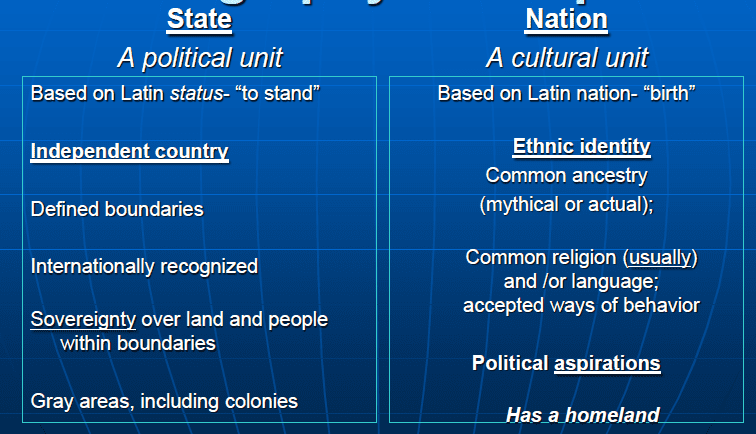
Brunei Darussalam—officially known as the Nation of Brunei, the Abode of Peace—challenges common assumptions about wealth and governance in Southeast Asia. This compact sovereign state on the island of Borneo covers just 5,765 square kilometers, yet it exerts influence far beyond its borders through vast petroleum reserves and a strict adherence to its national philosophy. Rather than chasing rapid, chaotic urbanization like many of its neighbors, Brunei maintains a quiet, deliberate pace of development that prioritizes social stability and traditional Islamic values over breakneck economic growth.
The country operates as an absolute monarchy under the rule of the Sultan, who serves as head of state, prime minister, and supreme religious leader. This centralized power structure, combined with a cradle-to-grave welfare system funded by oil and natural gas exports, creates a society largely insulated from external economic shocks and political volatility. Yet this reliance on hydrocarbons presents a distinct set of modern challenges as the global energy market shifts toward renewables.
The Political and Social Framework of MIB
At the heart of Bruneian society is the concept of Melayu Islam Beraja, or Malay Islamic Monarchy (MIB). Enshrined as the national ideology upon independence from the United Kingdom in 1984, MIB blends Malay cultural traditions, Islamic teachings, and absolute loyalty to the monarchy into a single governing philosophy.
This framework shapes everyday life in concrete ways. Public education heavily emphasizes religious instruction alongside modern sciences, and businesses routinely close for Friday prayers. The system successfully minimizes cultural friction among the population by enforcing a unified moral standard. However, it also leaves little room for formal political opposition or secular democratic reforms. Dissent is managed through consultation within traditional village structures and advisory councils rather than public ballot boxes.
Economic Realities and the Post-Oil Transition
Brunei's high standard of living rests almost entirely on petroleum and liquefied natural gas extraction, which account for a massive share of government revenue and export earnings. Citizens enjoy zero personal income tax, heavily subsidized housing, free healthcare, and free university education.
Yet this economic model has an expiration date. Domestic oil production has plateaued, forcing the government to accelerate its long-term economic blueprint, known as Brunei Vision 2035.
- Halal Certification: Brunei positions itself as a trusted global authority for halal products, leveraging its strict religious standards to export food and pharmaceuticals to major Muslim-majority markets.
- Ecotourism Development: The government restricts large-scale commercial logging, preserving pristine rainforests in Ulu Temburong National Park to attract high-end, low-impact travelers.
- Foreign Direct Investment: Authorities are streamlining regulations to attract non-oil manufacturing and digital technology firms, reducing bureaucratic hurdles for foreign investors.
Despite these initiatives, diversification moves slowly. Private sector employment remains heavily dependent on government contracts, and young citizens frequently compete for coveted, stable jobs within the civil service rather than the riskier private market.
Daily Life, Culture, and Modern Infrastructure
Life in Brunei moves at a remarkably unhurried pace. Bandar Seri Begawan, the capital city, features striking contrasts, from the gold-domed Omar Ali Saifuddien Mosque to Kampong Ayer, a vast historical water village where thousands of residents live in stilt houses above the Brunei River.
Infrastructure spending focuses on high standards of public service rather than flashy megaprojects. Roads are meticulously maintained, crime rates remain exceptionally low, and public transport is supplemented by an extensive network of affordable water taxis.
The education system produces high literacy rates and strong English proficiency, though brain drain remains a persistent concern. Many ambitious students study abroad on government scholarships and choose to remain overseas, drawn by larger job markets and greater personal freedoms.
Frequently Asked Questions
Do tourists need a visa to visit Brunei?
Citizens of many countries, including the United States, Canada, the United Kingdom, and EU member states, can enter Brunei visa-free for tourist stays ranging from 14 to 90 days. Check specific entry requirements with the Brunei Ministry of Foreign Affairs before booking travel.
What is the official currency of Brunei?
The official currency is the Bruneian Dollar (BND). It is pegged at a 1:1 exchange rate with the Singapore Dollar, and both currencies are accepted interchangeably across retail stores and restaurants throughout the country.
Is alcohol legal in Brunei?
The public sale and consumption of alcohol are strictly prohibited. Non-Muslim visitors are legally permitted to bring in a limited personal allowance of non-halal alcohol for private consumption, which must be declared upon arrival at the airport.
How does Brunei fund its free public services?
State-funded welfare, healthcare, and education programs are sustained by sovereign wealth funds generated through decades of state-managed oil and natural gas exports. The Brunei Investment Agency manages these overseas and domestic assets to secure national revenue for future generations.



