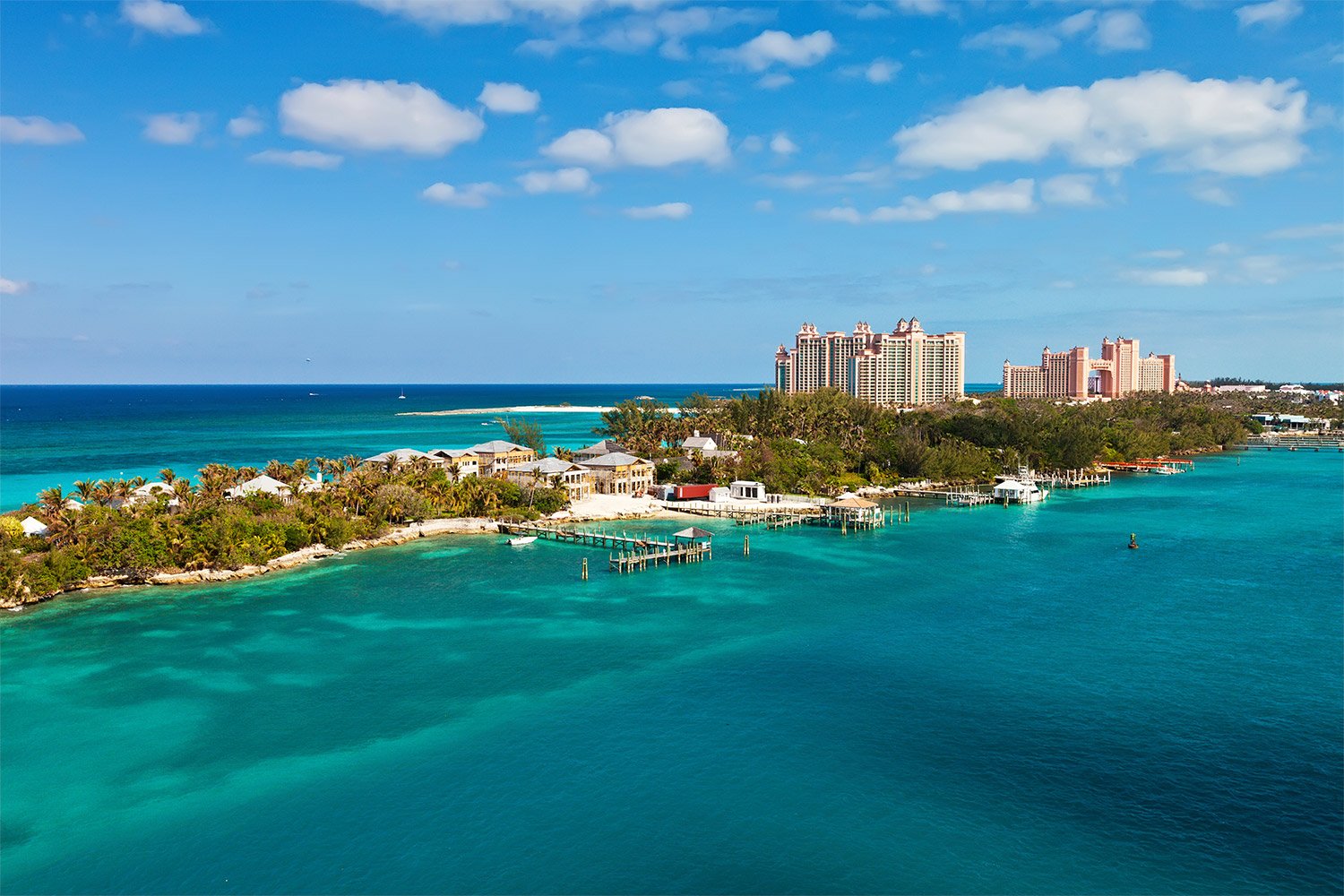
Navigating the route from Nassau to Freeport is the cornerstone of any great Bahamian itinerary. You're moving from the historic, energetic urban pulse of New Providence Island straight to the sprawling nature reserves and laid-back shores of Grand Bahama. Whether you're booking high-speed maritime transport or hopping a quick regional flight, making this journey seamless requires knowing your options, timing your connections, and understanding what each destination offers beyond the resort gates.
Planning a trip across these two major hubs doesn't have to be complicated, but it does demand attention to ferry schedules, seasonal weather patterns, and local logistics. Let's break down exactly how to get between Nassau and Freeport, what to pack, where to stop along the way, and how to avoid the common tourist pitfalls that drain your travel budget.
Understanding the Nassau to Freeport Route
The distance between Nassau and Grand Bahama (where Freeport sits) is roughly 100 miles northwest. Because they sit on different island platforms, you can't drive or take a casual day cruise without planning for open-water transit.
Nassau serves as the main international and domestic aviation hub, anchored by Lynden Pindling International Airport (NAS). Freeport operates out of Grand Bahama International Airport (FGB) and handles significant regional traffic. When you're planning your route, treat Nassau as your cultural launching pad and Freeport as your eco-adventure and relaxation anchor.
Most travelers make the mistake of assuming inter-island travel in the Bahamas works like a domestic train network. It doesn't. Weather dictates the sea state, and flight schedules shift frequently based on tourism seasons. Building flexibility into your timeline saves you from missed connections and ruined itineraries.
Transportation Options: Getting From Nassau to Freeport
Choosing how you travel between Nassau and Freeport depends entirely on your budget, time constraints, and tolerance for motion on open water.
High-Speed Ferries and Boat Transfers
Taking a ferry across the Northwest Providence Channel is a popular choice for travelers who want to enjoy the ocean views. Operators like Bahamas Ferries periodically run routes connecting New Providence to Grand Bahama and the Out Islands.
- Travel Time: Typically ranges from 2.5 to 3.5 hours depending on sea conditions and the specific vessel.
- Pros: Scenic views of the Exuma Sound and surrounding cays; allows for more luggage flexibility than some regional aircraft.
- Cons: Departures are subject to cancellation if sea swells run high. If you get seasick easily, this route can test your stamina.
Regional Flights
Flying is the fastest and most reliable way to bridge the gap between Nassau and Freeport. Airlines like Bahamasair operate daily domestic flights connecting NAS to Freeport.
- Travel Time: Around 40 minutes in the air.
- Pros: Highly reliable, immune to choppy sea conditions, multiple flights daily.
- Cons: Baggage weight limits on small regional planes can be strict; airport security and check-in protocols still eat up two hours of your day.
Private Charters and Boat Rentals
If you're traveling with a group or prefer absolute control over your schedule, chartering a private boat or booking a small-plane charter is an option. It's expensive, but it lets you stop at isolated sandbars and uninhabited cays between Nassau and Grand Bahama that commercial routes bypass entirely.
Itinerary Blueprint: Nassau Highlights
Before you catch your transport to Freeport, spend at least two full days soaking in New Providence. Skip the generic tourist traps and focus on the spots that matter.
Start your morning on Bay Street, the historic commercial artery of downtown Nassau. Walk past the pastel-colored colonial buildings, but don't just shop for souvenirs. Head directly up to the Queen's Staircase, a 65-step limestone landmark carved out by enslaved laborers in the late 18th century. The surrounding dense tropical foliage keeps the temperature several degrees cooler than the bustling streets below.
Spend your afternoon exploring the Pirates of Nassau Museum or walking the grounds of Fort Fincastle for panoramic views of the harbor and cruise ship terminal. When hunger hits, walk away from the main cruise strip and find a local spot serving cracked conch and pigeon peas and rice.
Itinerary Blueprint: Freeport and Grand Bahama Highlights
Once you arrive in Freeport, the frantic pace of Nassau evaporates. Grand Bahama is built for outdoor exploration, sprawling national parks, and uncrowded stretches of sand.
Your first stop should be Lucayan National Park, located about 25 miles east of Freeport. This 40-acre preserve protects one of the world's longest underwater cave systems. You can walk along elevated boardwalks through pine forests, mangroves, and swamplands before reaching Gold Rock Beach. At low tide, the receding water exposes wide ripples of sand that locals call the "welcome mat" of the Bahamas.
For shopping and local culture, visit Port Lucaya Marketplace. It's an open-air entertainment complex right on the marina where you can listen to live rake 'n' scrape music, purchase authentic straw crafts, and eat fresh conch salad prepared right in front of you.
If you want absolute solitude, head to Taino Beach or drive out toward the remote west end of the island where commercial development fades away entirely.
Essential Packing List for Island Hopping
Packing for a multi-island trip in the tropics requires precision. Pack light, but don't leave critical gear behind.
- Reef-Safe Sunscreen: Standard sunscreens contain oxybenzone, which bleaches coral reefs. The Bahamas has strict ecological guidelines, so bring mineral-based zinc formulas.
- Dry Bags: If you're taking a ferry or renting a small boat, spray and saltwater will find your electronics. A heavy-duty roll-top dry bag protects your gear.
- Lightweight Rain Jacket: Tropical squalls pop up with zero warning and vanish ten minutes later.
- Cash (Bahamian Dollars or US Dollars): While major resorts accept cards, roadside food shacks, taxi drivers, and local artisans prefer cash. US dollars are accepted everywhere at a 1:1 fixed rate with the Bahamian dollar.
Common Mistakes to Avoid
Travelers consistently make avoidable errors when planning a Nassau-to-Freeport trip. Keep these missteps in mind to protect your sanity and wallet.
- Underestimating Transit Weather: Don't schedule a tight international flight home the same morning you take a ferry from Freeport back to Nassau. Give yourself a 24-hour buffer in case rough seas cancel morning sailings.
- Overpacking Luggage: Small regional island hops charge steep fees for oversized bags. Travel with a carry-on sized pack if possible.
- Ignoring Local Transport Realities: Taxis in Nassau and Freeport rarely use meters. Always agree on the fare with the driver before you step into the vehicle.
- Renting Cars Without Checking Insurance: Driving is on the left side of the road (British style). If you rent a car, inspect it thoroughly and check your credit card's international rental coverage.
Frequently Asked Questions
Do I need a passport to travel between Nassau and Freeport?
Yes. Even though both cities are in the Bahamas, immigration and security checks occur when boarding domestic flights and ferries, and international visitors must carry a valid passport at all times.
Can I do a day trip from Nassau to Freeport and back?
It's technically possible via a short flight, but it's exhausting. Between airport security, travel times, and check-in protocols, you'll spend most of your day in transit rather than exploring Grand Bahama. Plan for at least two to three nights in Freeport.
What is the cheapest way to get from Nassau to Freeport?
The high-speed ferry is generally more cost-effective than flying, particularly when airlines tack on heavy baggage fees. However, always compare current promotional rates for regional carriers before booking, as off-season flight specials occasionally match ferry pricing.
Is English spoken throughout the Bahamas?
Yes. English is the official language of the Bahamas, making navigation, dining, and interacting with locals seamless for English-speaking travelers.



