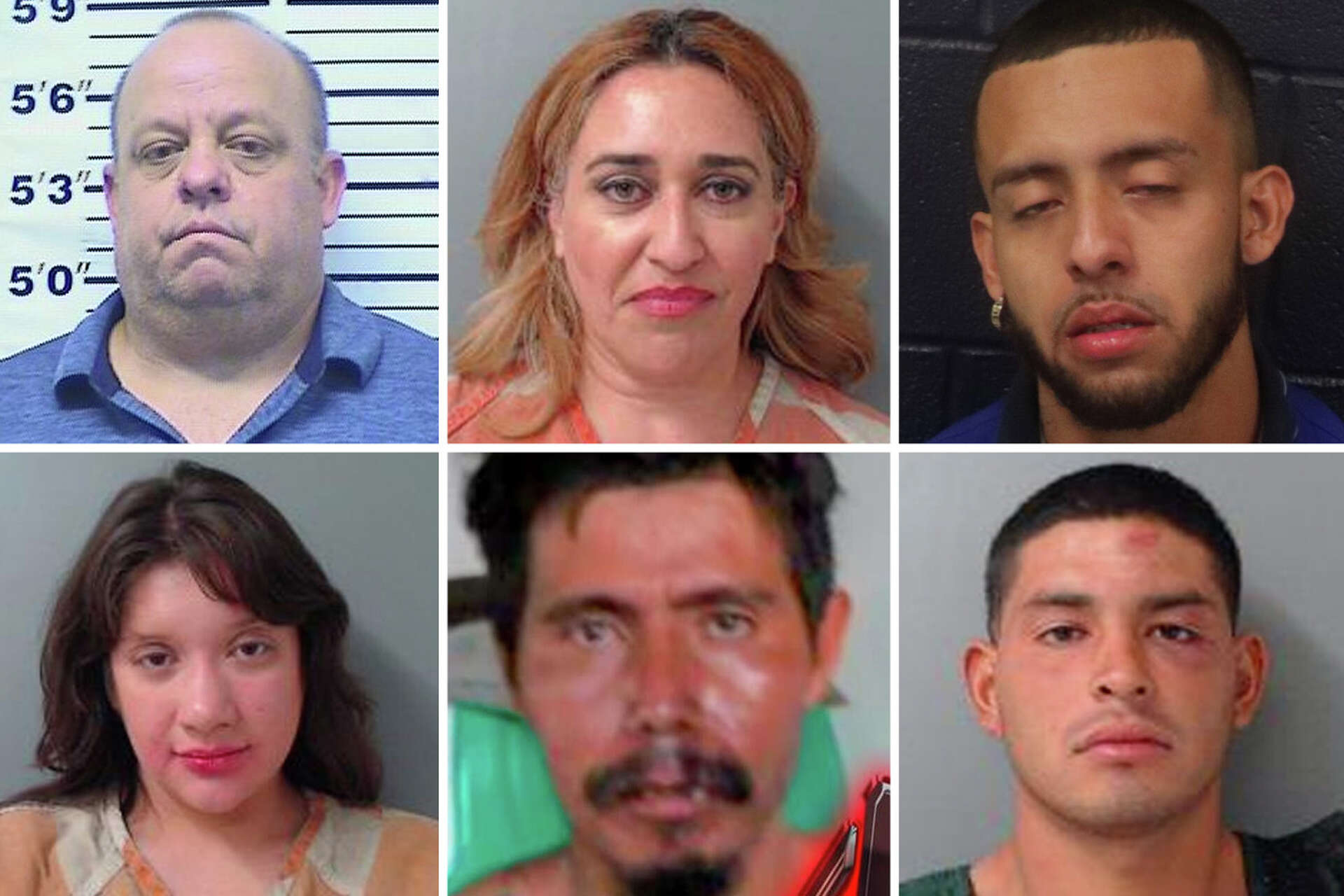
Accessing booking photos and arrest records online is a routine part of modern information search, yet it sits at a tense intersection between governmental transparency and individual privacy. Under North Carolina law, local law enforcement booking records and accompanying images are generally treated as public information. If you're searching for specific custody information, understanding how these digital archives operate helps you separate official government portals from commercial aggregators.
Finding arrest data in this jurisdiction involves navigating both county-level detention facilities and state judicial networks. Knowing where to look prevents wasted time and keeps you clear of predatory third-party sites that monetize personal misfortune.
Official Channels for Nash County Records
When looking up booking data, starting with official government sources ensures accuracy. Private aggregator sites often display outdated charges or retain images long after a case has been dismissed.
The primary local repository is managed through the Nash County Sheriff's Office. Their detention facility maintains active jail rosters and inmate information. For formal court history, criminal backgrounds, and official case status across the state, the North Carolina Judicial Branch provides public portals.
- Nash County Detention Center: Local custody details can be verified directly by contacting the jail administration or reviewing current local holding registries.
- NC Courtenet / Portal: The state judicial system offers online case searches to check pending charges, trial dates, and dispositions.
- NCDAC Offender Search: For individuals who have transitioned from county holding to state prison sentences, the North Carolina Department of Adult Correction maintains a statewide public database.
The Legal Framework of Public Booking Photos
North Carolina's public records statutes treat basic information gathered during an arrest—such as a person's name, age, specific charges, and booking photo—as open to public inspection. This openness serves clear civic functions. It prevents secret detentions, assures the community that law enforcement agencies are operating transparently, and helps media outlets verify identities during active investigations.
However, the instantaneous archiving of these records on the internet changes their historical function. In the pre-digital era, an arrest record printed in a local newspaper was ephemeral; it existed for a day and then disappeared into library microfilm archives. Today, a digital booking photograph is indexed by search engines immediately, remaining permanently attached to an individual's name regardless of whether charges were dropped or an acquittal was secured.
Commercial Aggregators and the Ethics of Exploitation
A troubling ecosystem has emerged around online booking data. Numerous independent websites scrape jail rosters across the country, compiling massive databases of mugshots. These platforms often rank high in search engine results for personal names.
Many of these commercial operators exploit the permanence of digital records by charging fees to remove images or forcing subjects to prove their case was dismissed before considering takedown requests. Criminal justice advocates view this practice as a form of digital extortion. Because mugshots imply guilt long before a trial takes place, their widespread commercial distribution creates severe collateral consequences for employment, housing, and personal reputation.
Managing Reputation and Record Relief
For individuals trying to move past an old arrest in North Carolina, legal remedies exist, though they require navigating strict procedural requirements.
- Expunction Petitions: Under specific statutory conditions—such as when charges are dismissed or a person is found not guilty—individuals can petition the court to expunge their arrest record.
- NC Second Chance Act: Expanded legislative frameworks in North Carolina have broadened eligibility for clearing certain non-violent convictions after a designated waiting period without new criminal infractions.
- Targeted Takedowns: Once an official state record is expunged or sealed, individuals have firmer legal footing to demand that commercial third-party aggregators remove cached copies of their booking photos.
Frequently Asked Questions
Are all mugshots in Nash County available online?
While county detention centers record bookings, not every single image is instantly published on official government websites. Local law enforcement agencies maintain discretion over what is uploaded, though third-party scrapers frequently harvest data from daily logs.
Can I get a mugshot removed from a private website?
Yes, but policies vary by site. Many third-party aggregators require proof of a formal expunction or case dismissal. Some states have passed laws making it illegal for commercial mugshot sites to charge removal fees, forcing compliance.
How do I run a complete criminal background check in North Carolina?
Official statewide criminal checks should be conducted through the North Carolina Judicial Branch or the State Bureau of Investigation rather than relying on unofficial search engines or commercial background screening apps.
What information is legally restricted during an arrest?
While basic booking details are public, sensitive data such as Social Security numbers, juvenile delinquency records, and ongoing investigative notes are strictly confidential under state law.


