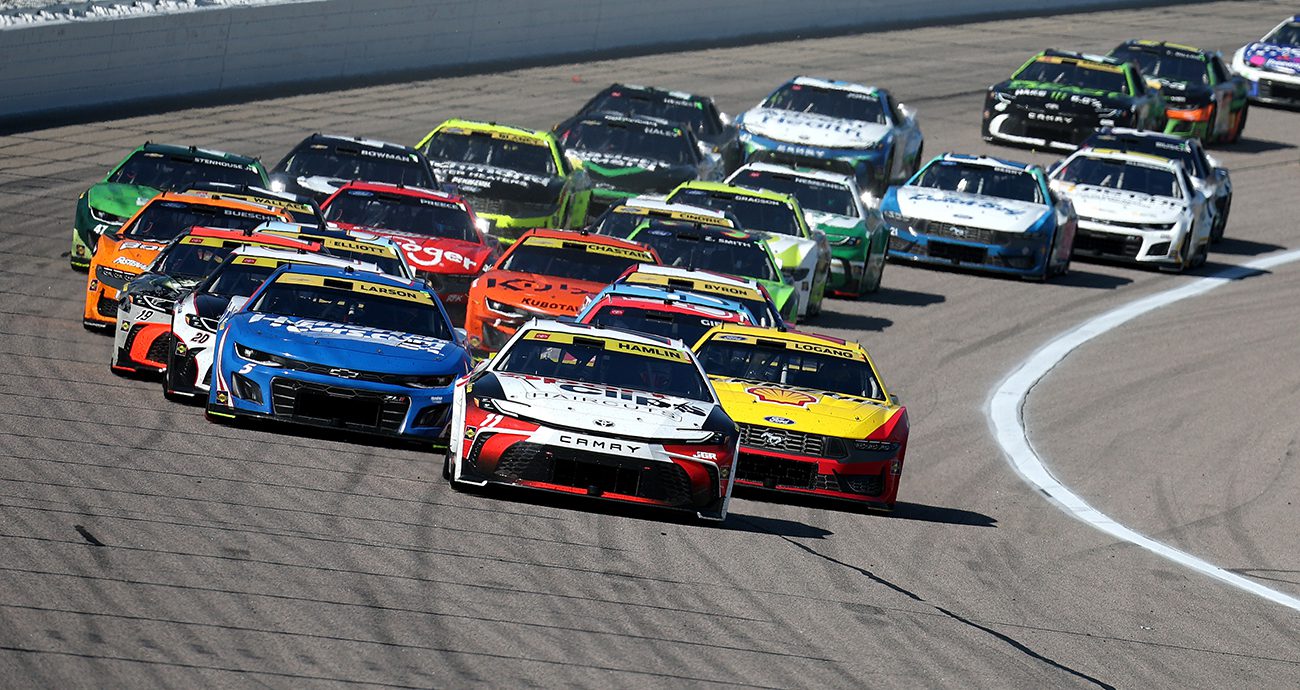
Stock car racing isn't just about driving fast in circles. It's a high-stakes chess match played at two hundred miles per hour where a single miscalculation on a pit stop or an ill-timed drafting partner can ruin a driver's entire afternoon. You're watching forty heavy, custom-built machines wrestle for traction on banked asphalt while drivers manage tire wear, fuel mileage, and psychological pressure. It's raw, loud, and deeply calculated.
Understanding how the sport works takes more than watching a single Sunday afternoon broadcast. From the aerodynamics of drafting to the grueling endurance of the playoffs, stock car racing combines decades of southern roots with cutting-edge engineering. Whether you're tracking your first Cup Series race or trying to grasp why teams make certain pit choices, this breakdown covers how speed, strategy, and tradition collide.
The Roots and Evolution of Stock Car Racing
The sport didn't start in sleek modern facilities with million-dollar simulators. Bootleggers modifying everyday family sedans to outrun federal tax agents during the Prohibition era built the foundation of modern American stock car racing. These drivers tuned their engines for maximum escape speed and tested their machine handling on dusty rural backroads.
When Prohibition ended, those same drivers turned their illegal hustle into organized weekend entertainment across the American Southeast. Tracks popped up in dirt fields and fairgrounds, drawing massive crowds eager to see whose modified sedan was truly the fastest. In 1948, visionary promoter Bill France Sr. gathered drivers, mechanics, and track owners in a Daytona Beach hotel to formalize the rules, establish a proper points structure, and launch the National Association for Stock Car Auto Racing (NASCAR).
What started as literal showroom cars with welded doors transformed over decades into purpose-built racing prototypes. Today's cars share little resemblance to what you drive to the grocery store. They feature steel tube frames, carbon composite bodies, and advanced safety cells designed to protect drivers during violent high-speed impacts. Yet, the core DNA remains the same: banging doors, fierce competition, and machines built to handle close-quarters pack racing.
The Physics of Speed: Aerodynamics and Drafting
You can't win races today with horsepower alone. Modern stock cars push through a wall of air at blistering speeds, making aerodynamics the single most important factor in lap times. When a car cuts through the air, it leaves a massive low-pressure wake behind it.
Drivers use this wake to their advantage through a technique called drafting. By tucking the nose of their car directly into the rear bumper of the car ahead, they break through the trailing vacuum. Both cars experience reduced aerodynamic drag, allowing them to accelerate past single cars struggling against the wind alone.
- The Push: On superspeedways like Daytona International Speedway, drivers lock bumpers in pairs. This tandem movement forces both cars forward at speeds neither could achieve alone.
- Dirty Air: Following too closely behind another car deprives the trailing vehicle of clean air over its front spoiler. This causes severe understeer, making the car push toward the outside wall if the driver isn't careful.
- Yaw Control: Modern chassis designs use side-force aerodynamics to help cars turn more efficiently through high-banked turns by shifting air pressure across the rear quarter panels.
Race Strategy: Pits, Fuel, and Tire Management
A race isn't won solely on the track; it's managed from the pit box. Crew chiefs act as strategic masterminds, balancing fuel windows, tire degradation, and track position in real-time.
Tires dictate the rhythm of a race. Fresh rubber provides immense grip, allowing a driver to slice through traffic for the first ten laps after a pit stop. However, as the tread wears down and rubber builds up on the track surface, cars slide more and lap times drop significantly. Crew chiefs must decide whether to take four fresh tires on a stop—which costs precious seconds on pit road—or take just two right-side tires to maintain track position.
Fuel strategy plays an equally critical role. Running at full throttle burns fuel rapidly. If a caution flag falls late in the race, teams often gamble on fuel mileage, instructing their drivers to lift and coast down the straightaways to stretch their remaining fuel window to the finish line. Running out of gas with two laps to go while leading a race remains one of heart-wrenching realities of motorsport competition.
The Modern Championship Format
The path to hoisting the championship trophy has evolved dramatically over the decades. Today's structure relies on an elimination-style playoff format designed to reward both consistency and clutch performance during the final stretch of the season.
The regular season spans twenty-six races, where race winners automatically lock themselves into the postseason field, alongside the highest-remaining drivers in points. Once the playoffs begin, the field resets, and the pressure intensifies. After every three races, the lowest-ranking drivers are eliminated from championship contention until only four drivers remain for the season finale.
This format eliminates coasting. You don't win a modern title by simply finishing in the top five every week; you have to win races when it matters most. It creates high-drama moments where a single blown engine or pit road speeding penalty ends a championship bid instantly.
Common Misconceptions About Stock Car Racing
Outsiders often misunderstand what makes the sport compelling, writing it off as simple driving in circles. Let's clear up a few persistent myths.
- It's just turning left: While tracks like Bristol and Martinsville feature short, oval layouts, mastering them requires microscopic precision. Hitting the exact same mark on the track within inches lap after lap while fighting G-forces and steering heavy manual steering boxes is an immense physical test.
- There's no athletic skill involved: Drivers routinely endure cockpit temperatures exceeding 130 degrees Fahrenheit for hours at a time. They lose several pounds of water weight per race and experience sustained G-forces through high-banked corners that rival fighter jet pilots.
- It's dangerous without purpose: Safety innovations pioneered in stock car racing—including SAFER barriers, full-face helmets, head-and-neck restraints, and reinforced roll cages—have filtered down to improve safety for everyday passenger vehicles on public highways.
Frequently Asked Questions
How fast do modern stock cars go?
Top speeds vary depending on the track configuration. On intermediate tracks like Charlotte or Texas, cars reach around 180 to 190 miles per hour. On superspeedways like Daytona and Talladega, restrictor plates or tapered spacers historically kept speeds capped around 200 miles per hour, though drafting packs often elevate the collective momentum of the pack.
How many races are in a standard season?
The premier national touring series features thirty-six points-paying races held nearly every weekend from February through November, alongside several exhibition events and qualifying duels.
What is a caution flag and why are they used?
A caution flag waves when debris, a stalled car, or an accident occurs on the track. This slows the field down and bunches the cars up behind a pace car, wiping out large leads and bunching the competition back together for dramatic restarts.
Do teams use manual transmissions?
Most premier series transitioned to sequential manual shifters in recent years, streamlining gear changes while keeping driver engagement high and mechanical wear predictable across competing teams.



