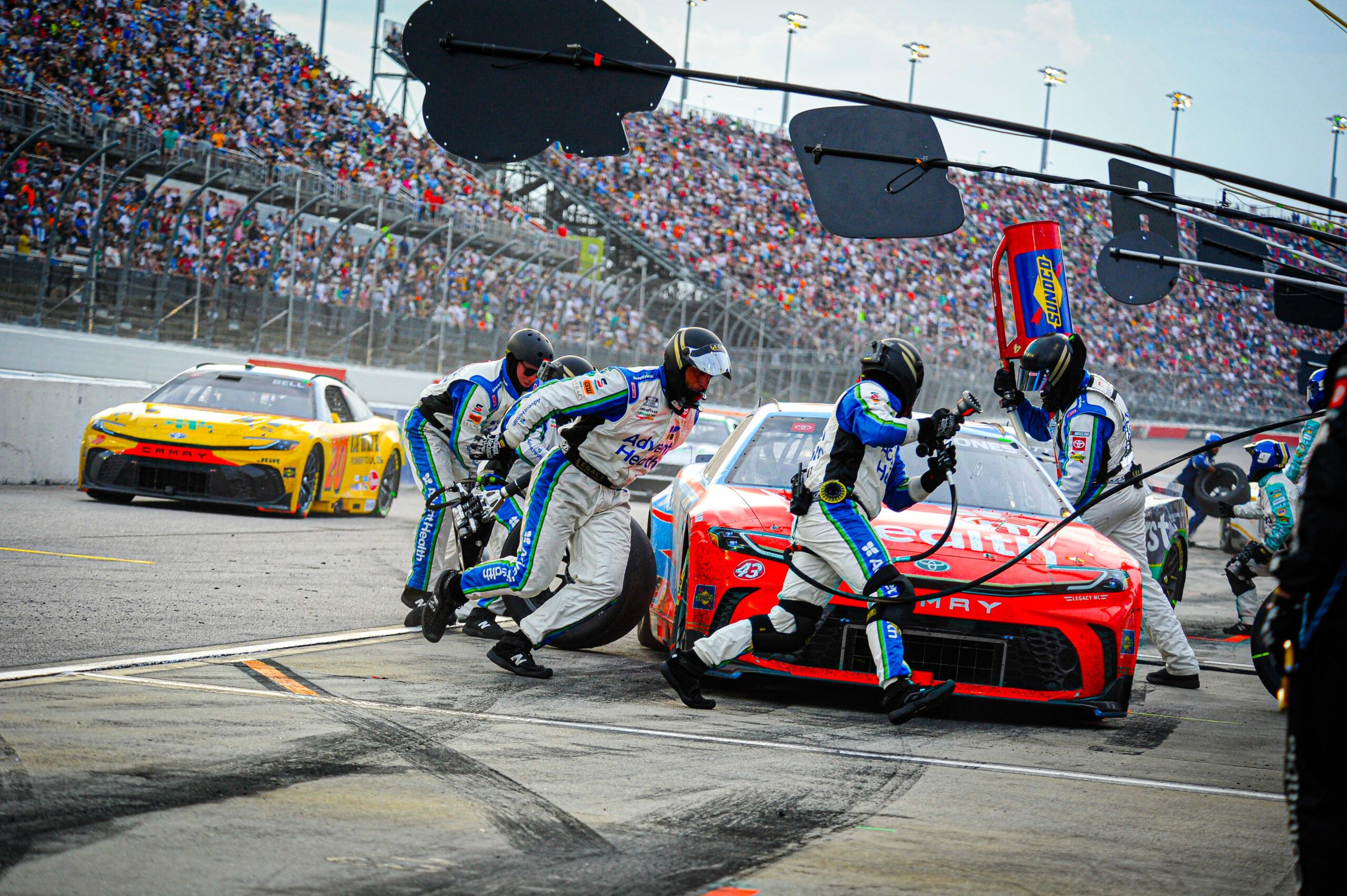
The concept of price parity in top-tier stock car racing shifts how teams manage budgets, build fleets, and survive a grueling thirty-eight-race schedule. When governing bodies mandate single-source components and strict cost ceilings, the financial dynamics change from an open-checkbook arms race to a game of tactical margin management. Understanding this hidden economic structure reveals why a modern Cup Series operation requires millions of dollars just to stay on the grid, even when every competitor drives mechanically identical hardware.
Price parity inside the sport means teams purchase standardized chassis, suspension parts, and aerodynamic assemblies from approved single-source vendors rather than fabricating components in-house. While this setup prevents wealthy organizations from outspending smaller rivals on proprietary metalwork, it introduces distinct financial pressures. Teams don't own certain centralized components outright in the traditional sense; instead, they operate within a tightly controlled ecosystem where part replacement costs are fixed by contract.
The Anatomy of Next Gen Part Costs
The current generation of stock cars was engineered specifically to curb runaway research and development expenses. Under older regulations, elite shops employed dozens of fabricators to build dozens of unique chassis variants tailored to specific track types. Today, teams purchase a standardized bare chassis for roughly $180,000, with a fully assembled, race-ready machine totaling between $400,000 and $500,000 once specialized electronics, suspension bits, and safety cells are installed.
Yet, standardized pricing doesn't automatically mean low operational expenses. Because components come from exclusive suppliers, market competition disappears. If a vendor sets a fixed price for a steering rack or a composite body panel, teams have no alternative supplier to turn to for a better deal. Consequently, minor supplier price adjustments compound quickly across a multi-car fleet over a long season.
- Chassis and Bodywork: Standardized carbon-composite shells absorb impacts differently than old steel bodies, altering crash-repair economics.
- Leased Powerplants: High-output engine packages remain separate from the chassis pool, requiring expensive multi-million-dollar annual leases.
- Consumables and Tyres: Weekly allocations managed by official partners like Goodyear dictate constant logistical burn rates.
Fleet Management and Attrition Math
In previous eras, top organizations maintained massive fleets featuring fifteen to twenty cars ready for rotation. Price parity and strict limits on chassis ownership drastically shrank these numbers. A modern chartered operation typically keeps a lean rotation of five to seven chassis per car entry.
This leaner model shifts the economic risk directly toward crash damage. When a multi-car pileup happens at a high-speed superspeedway, the financial toll isn't just about hammering out sheet metal. Crews must buy expensive off-the-shelf assemblies rather than welding replacement tubes in the back of the shop.
- Initial Acquisition: Buying the base chassis and mandatory spec components from sanctioned builders.
- Weekly Maintenance: Swapping out high-wear components after mileage thresholds specified by the sanctioning body.
- Rebuild Cycles: Returning damaged sub-assemblies for certified re-certification or replacement.
The Broader Team Budget Reality
Operating a competitive entry in the top national division demands an annual budget ranging from $15 million to $20 million. While price parity successfully prevents spending gaps on raw speed parts, financial divergence happens elsewhere. Salaries for elite pit crews, veteran engineering directors, advanced simulation software, and travel logistics create distinct tiers among competitors.
Organizations must also account for charter values, which act as permanent franchise assets securing a locked-in starting spot each weekend. These charters trade for tens of millions of dollars, meaning the barrier to entry relies heavily on corporate sponsorship and private equity rather than simple mechanical thriftiness. Brands partnering with teams, such as those featured on NASCAR, look closely at how these operational costs translate into television visibility and activation value.
Frequently Asked Questions
Does price parity completely eliminate spending advantages between teams?
No. While physical car parts and chassis costs are heavily restricted, wealthy organizations still spend freely on engineering talent, simulation infrastructure, data analysis tools, and personnel training.
How much does a single race-ready car cost today?
A fully assembled car with its specialized internal components and safety equipment costs between $400,000 and $500,000, excluding the leased engine package.
Who owns the component parts used on the cars?
Many specialized parts and safety structures operate under strict distribution agreements tied to the sanctioning body, meaning teams manage inventory pools rather than holding open commercial titles to every single sub-assembly.
Why can't teams buy cheaper aftermarket parts?
The regulations mandate exclusive single-source supply chains to maintain strict technical equality and prevent unregulated performance creep across the field.



