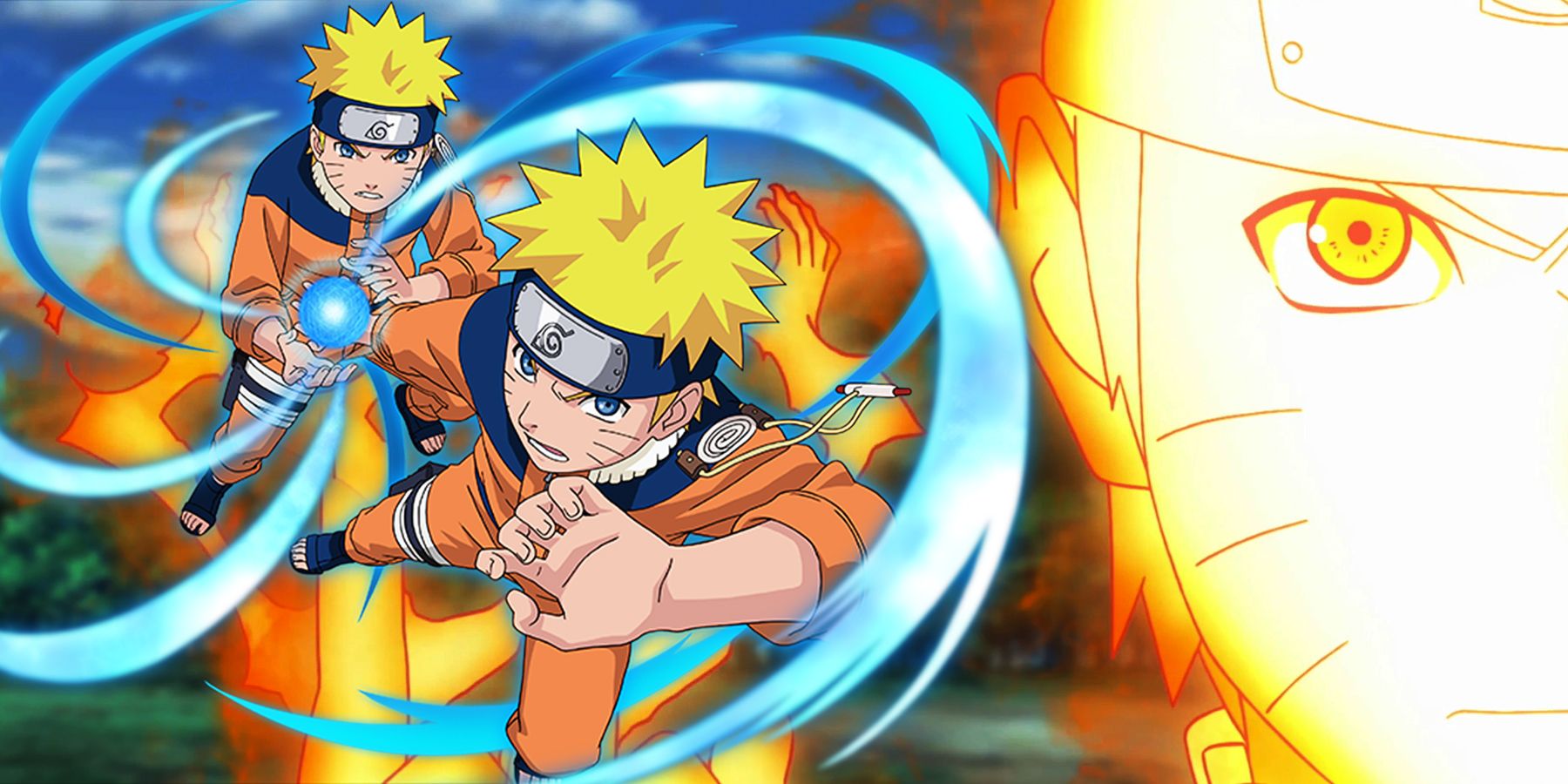
When you look at the total episode count of Naruto Shippuden, you'll notice that roughly forty percent of the series consists of filler. Most anime guides tell you to skip every single non-canon episode to save time. Following that advice blindly causes you to miss out on some of the finest storytelling, animation, and character expansion the franchise has to offer.
Finding the actual hidden gems among two hundred non-canon episodes requires separating lazy padding from passionate labor by Studio Pierrot's creators. Several specific filler arcs elevate secondary characters, explore deep lore, and deliver cinematic production values that easily match or surpass canon material.
Why Most Naruto Shippuden Fillers Get a Bad Reputation
The sheer volume of non-canon material in Shippuden stems from its original weekly broadcast schedule. Because the anime production caught up to Masashi Kishimoto's manga too quickly, the studio had to stall for time. This resulted in stretched-out plots, repetitive flashbacks, and low-stakes missions that tested viewer patience.
Yet treating all non-canon content with equal disdain is a mistake. During slower production periods, different directors and writers were given room to experiment. Some teams used the break from the main plot to flesh out the hidden villages, explore tragic backstories, and give beloved characters room to breathe outside the relentless pressure of the Fourth Great Ninja War.
Kakashi's Anbu Arc (Episodes 349–361)
This thirteen-episode sequence stands as arguably the best piece of non-canon television in the entire franchise. Instead of a lighthearted side mission, it plunges straight into Kakashi Hatake's darkest years following the deaths of Obito and Rin.
The narrative tracks Kakashi's descent into an emotionless, mission-obsessed killer within the Anbu Black Ops. It contextualizes his relationships with Minato, Hiruzen, and a young Itachi Uchiha who is already buckling under the weight of political destiny. The pacing is tight, the tone is genuinely bleak, and episode 350 features a breathtaking, emotionally heavy depiction of the night Naruto was born and the Nine-Tails attack. Skipping this means missing essential context for one of the series' most important mentors.
The Power Arc / Chikara (Episodes 290–295)
Commissioned to celebrate the franchise reaching five hundred total episodes, this six-episode mini-arc was treated like a theatrical feature film by Studio Pierrot. The production quality breaks past standard television constraints, offering fluid hand-to-hand choreography and stunning visual effects.
Set right before the outbreak of the war, Naruto, Sakura, and Yamato are sent to investigate a massacre at Toneri's village, encountering Kabuto working with reanimated forces and unstable chakra experiments. The highlight is a terrifying sequence where a clone of Four-Tails Naruto transforms into a near-complete beast. It packs high-stakes action, gorgeous sakuga, and genuine emotional weight into a neat package that never overstays its welcome.
Itachi Shinden: Light and Darkness (Episodes 451–458)
While officially classified by many tracking sites as mixed canon or peripheral material, these episodes adapt Takashi Yano's official light novels, which were closely supervised by Masashi Kishimoto. They explore Itachi's life from early childhood through his time at the Academy and his eventual agonizing choice regarding the Uchiha clan.
For fans who view Itachi as the emotional core of the overarching conflict, these episodes are indispensable. They strip away the mystery to reveal a lonely boy trapped between his love for his younger brother and his loyalty to a corrupt village leadership. The psychological depth here matches the highest points of the manga's canon arcs.
Six-Tails Unleashed Arc (Episodes 144–151)
Jinchuriki lore often suffers in the main story due to how quickly several hosts are captured off-screen by the Akatsuki. This short arc gives proper space to Utakata, the host of the Six-Tails, exploring his tragic past and his relationship with his student Hotaru.
The narrative provides a rare look at the emotional burden carried by individuals forced to harbor tailed beasts. Utakata's bubble-based ninjutsu offers unique visual flair in combat, and the heartbreaking conclusion provides a profound glimpse into why peaceful coexistence feels so difficult for these characters. You can stream the entire series and check episode guides directly on platforms like Crunchyroll.
Childhood Flashback Arc (Episodes 480–483)
After hundreds of episodes defined by constant warfare, political betrayal, and apocalyptic stakes, these four short episodes step back to examine the early childhoods of Naruto, Sasuke, Shikamaru, and others.
They don't feature world-ending fights or grand villain speeches. Instead, they show young Naruto eating instant ramen alone in his apartment and young Shikamaru navigating his early days of sharp-witted boredom. Watching these small vignettes after finishing the main journey acts as a comforting emotional cooldown, reminding you of how far these characters traveled from their lonely beginnings.
Common Mistakes When Filtering Anime Episodes
Many viewers rely on rigid online lists without understanding how studios structure their releases. Avoid these common missteps to get the best viewing experience:
- Trusting blanket skip labels blindly: Always check user discussions for specific arcs, as many community guides lump high-quality character studies in with poorly animated comedy fillers.
- Skipping mixed canon entirely: Episodes that blend manga panels with original anime scenes often feature crucial character interactions that improve the pacing of relationships.
- Ignoring tone shifts: Watching serious action fillers right after a heavy canon arc can cause viewing fatigue. Save character-focused arcs for when you want a slower, more emotional pace.
Frequently Asked Questions
Are Naruto Shippuden fillers written by Masashi Kishimoto?
No. The manga creator Masashi Kishimoto did not write the standalone filler episodes or arcs. They were created entirely by Studio Pierrot's internal writing and animation staff to allow the manga to stay ahead of the broadcast schedule.
Do I miss any main plot details if I skip all fillers?
No. By definition, non-canon episodes do not impact the core narrative progression of the manga. However, you do miss out on expanded world-building, minor character development, and emotional background details that enrich the overall universe.
Where can I watch these specific hidden gem arcs?
All episodes of Naruto Shippuden, including the non-canon arcs, are available for streaming on major platforms like Crunchyroll and Hulu, depending on your regional availability.
Why did Studio Pierrot produce so many non-canon episodes?
Because Naruto Shippuden aired weekly without seasonal breaks, the anime caught up to the source material very quickly. Producing non-canon arcs was the only way to prevent the television broadcast from overtaking the monthly manga releases.



