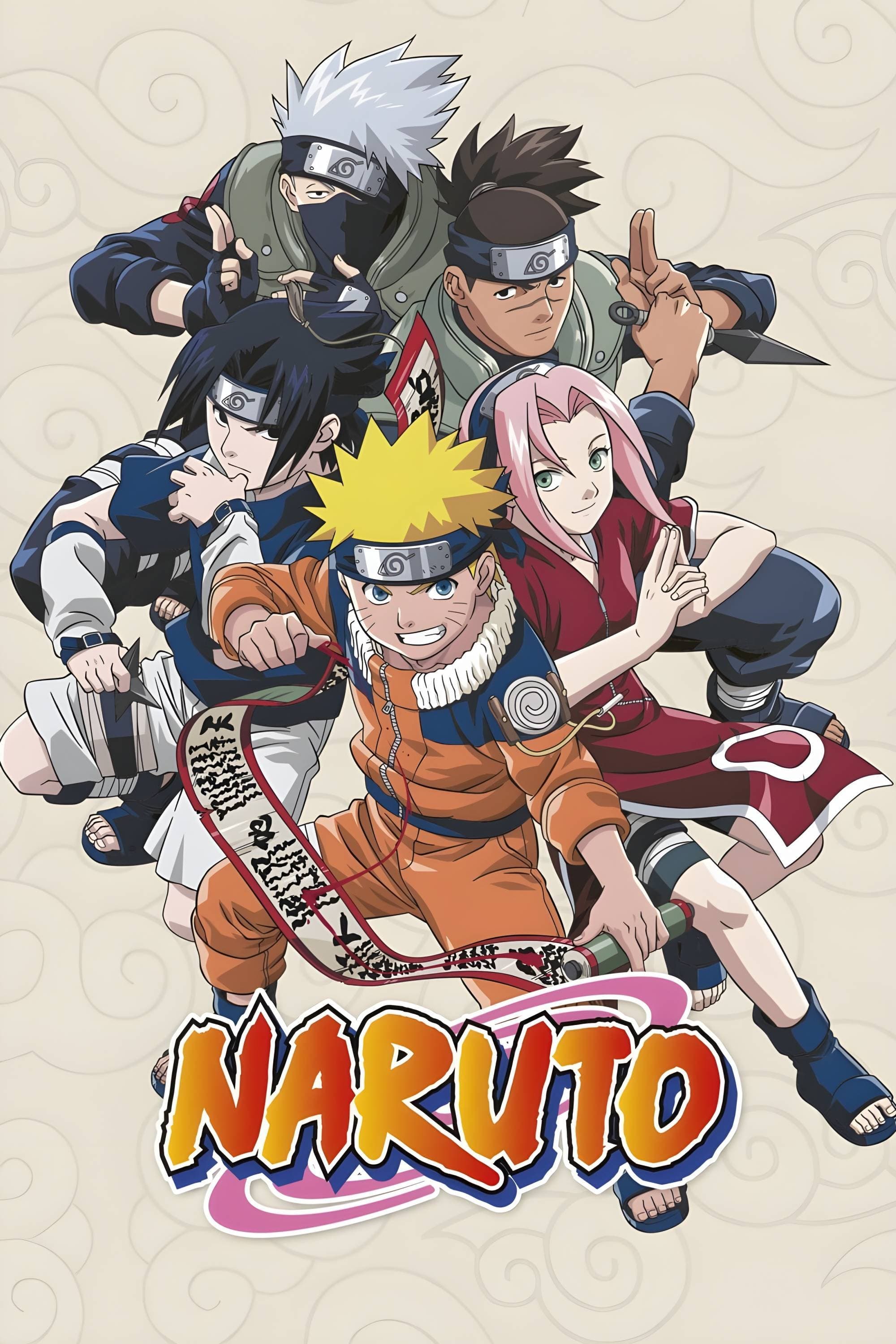
The geopolitical structure of the Naruto universe rests entirely on the shinobi hidden villages. These military settlements serve as the economic and martial muscle for the feudal lords of the world, functioning as training grounds, mercenary hubs, and sovereign city-states all at once. If you've ever tried keeping track of every faction, headband symbol, and regional leader across the series, the sheer scale of the map can get overwhelming fast.
Understanding how these settlements operate requires looking past simple fan wikis and examining how geography, political tension, and unique leadership structures shape the map. From the dominant military superpowers holding seats on the Five Kage Summit to the minor settlements caught in the crossfire, here is the breakdown of the hidden villages that define Masashi Kishimoto's iconic world.
The Five Great Shinobi Nations and Their Villages
At the core of the global power balance sit the Five Great Shinobi Countries. Each of these nations is large, resource-rich, and houses one of the five premier military settlements. The leaders of these specific villages hold the title of Kage, meaning "Shadow," and command immense respect and political authority across the continent.
Konohagakure (The Hidden Leaf Village)
- Country: Land of Fire
- Leader: Hokage
- Headband Symbol: A stylized spiral leaf
Founded jointly by the Senju and Uchiha clans, Konohagakure serves as the central setting for most of the franchise and the home of Naruto Uzumaki himself. Located in a temperate, forest-heavy region rich in natural resources, the Leaf Village is traditionally viewed as the strongest of the major military powers. Its philosophy has evolved over generations from a harsh wartime alliance into a champion of the "Will of Fire"—an ideological belief that all villagers form a tight-knit family and must protect one another.
Sunagakure (The Hidden Sand Village)
- Country: Land of Wind
- Leader: Kazekage
- Headband Symbol: An abstract hourglass or stylized mountain shape
Built deep within an unforgiving desert, Sunagakure relies on harsh isolation and puppet-mastery techniques to survive its lack of fertile land. Because the harsh environment historically crippled the local economy, past leaders often resorted to cutting military budgets and sealing tailed beasts—such as the One-Tail Shukaku into Gaara—to maintain a strategic deterrent. Over the course of the series, Sunagakure transitions from a hostile rival of the Leaf into its closest political and military ally.
Kirigakure (The Hidden Mist Village)
- Country: Land of Water
- Leader: Mizukage
- Headband Symbol: Four diagonal wavy lines representing mist or water currents
Isolated on a cluster of remote islands, Kirigakure earned a terrifying reputation as the "Bloody Mist". This moniker stemmed from a brutal academy graduation exam that required students to fight their closest classmates to the death. The village spent years consumed by civil unrest, internal purges against bloodline limit users (Kekkei Genkai), and external manipulation by Obito Uchiha. Under later leadership, the village reformed entirely, casting off its isolationist horrors to embrace modern diplomacy.
Kumogakure (The Hidden Cloud Village)
- Country: Land of Lightning
- Leader: Raikage
- Headband Symbol: A stylized looping cloud
Perched high within a jagged mountain range prone to violent thunderstorms, Kumogakure boasts the most aggressively organized military structure in the world. Unlike other villages that occasionally let their guard down during peacetime, the Cloud maintains continuous combat readiness, advanced technological research, and a strict hierarchy centered around the Raikage line and their cooperative partnership with jinchuriki like Killer Bee.
Iwagakure (The Hidden Stone Village)
- Country: Land of Earth
- Leader: Tsuchikage
- Headband Symbol: Two overlapping jagged rock shapes
Surrounded by a rugged border of towering stone mountains and relentless rock storms, Iwagakure values stubborn endurance and military discipline above all else. Under the long reign of the Third Tsuchikage, Onoki, the village built a reputation for pragmatic, cutthroat mercenary work and an extensive arsenal of earth-release and explosion-release jutsu.
Minor Hidden Villages and Regional Factions
While the five major settlements dominate global politics, the continent is dotted with dozens of smaller, independent hidden villages. These groups lack a Kage, rarely hold seats at international summits, and often have to navigate the power plays of their massive neighbors.
- Amegakure (Hidden Rain Village): Trapped geographically between three of the great nations, the Rain Village spent decades acting as a bloody battleground for foreign wars. Under the tragic leadership of Pain (Nagato), it transformed into a heavily militarized, hyper-surveilled dictatorship before eventually finding peace.
- Otogakure (Hidden Sound Village): Founded entirely as a private military contractor and experimental laboratory by the rogue Leaf shinobi Orochimaru. It doesn't occupy a traditional sovereign territory; instead, its operatives operate out of hidden bases and converted hideouts across multiple borders.
- Takigakure (Hidden Waterfall Village): A secluded settlement built around a massive waterfall that conceals a sacred hero water tree. Despite its peaceful aesthetic, it produced powerful missing-nin like Kakuzu and housed the Seven-Tails beast.
- Uzushiogakure (Village Hidden by Whirling Tides): The ancient home of the Uzumaki clan. Known for their unmatched sealing arts and staggering life force, the villagers were feared by neighboring nations to such a degree that the settlement was completely wiped out during the shinobi world wars, leaving behind desolate ruins.
Understanding Headband Signatures and Missing-Nins
The iconic forehead protector, or hitai-ate, is more than a simple piece of cloth. It functions as a badge of citizenship, loyalty, and professional pride.
When a shinobi chooses to betray their home settlement—whether to join criminal organizations like the Akatsuki, pursue forbidden experiments, or flee political persecution—they take a sharp kunai and carve a horizontal slash directly through their village's engraved metal symbol. This branded act of defiance formally marks them as a missing-nin (rogue ninja), turning them into a high-priority target for their former comrades. Bounty boards across the black market regularly list these individuals based on the severity of their crimes and the classified intel they carry.
Frequently Asked Questions
Can a minor village ever become one of the Five Great Villages?
No. The title and status of a Great Village are tied directly to the sovereign size, economic weight, and military footprint of the foundational Five Great Nations. Even if a minor village grows powerful, it cannot arbitrarily join the exclusive Kage summit without fundamentally altering the political map of the continent.
Why do ninja villages exist if there are feudal lords?
In the Naruto world, the daimyo (feudal lords) hold political and economic control over the civilian territories, but they lack personal combat power. They contract out the hidden villages to handle military defense, espionage, and border disputes, creating a symbiotic relationship where political authority relies entirely on shinobi muscle.
Are all hidden villages hostile toward each other?
Not permanently. While historical conflicts run deep—fuelled by generations of border disputes—the end of the Fourth Great Ninja War ushered in a modern era of cooperative globalization. Villages regularly share joint academy training programs, economic trade pacts, and technological advancements.
What is the difference between a Kage and a regular village leader?
A Kage rules over one of the five primary military superpowers and is chosen based on peerless combat strength, tactical brilliance, and political backing. Leaders of minor villages usually carry titles like Daimyo-appointed chieftains or simply local commanders, reflecting their lower tier of global influence.



