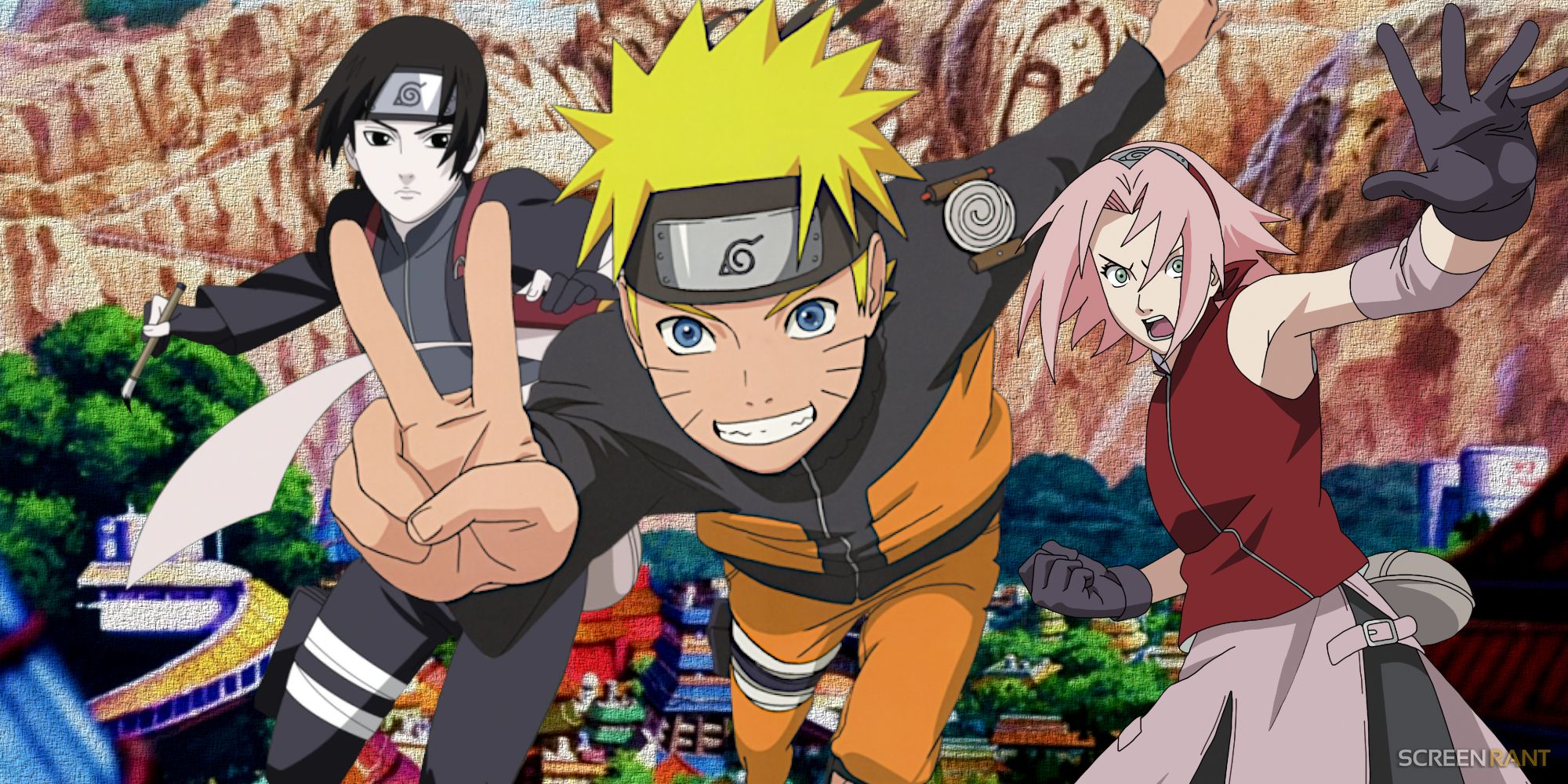
Navigating the sprawling world of Naruto and Naruto Shippuden requires patience, especially when you hit massive blocks of non-canon content. Roughly forty-one percent of Naruto Shippuden consists of filler episodes—standalone stories or long arcs created to let the manga stay ahead of the weekly anime broadcast. While some of these side stories offer great character moments, many disrupt the narrative pacing during high-stakes emotional peaks. This guide breaks down exactly which episodes you should watch, which ones you can safely skip, and how to streamline your viewing experience without losing the core plot.
Understanding the difference between canon and filler changes how you experience Masashi Kishimoto's universe. Canon episodes adapt the original manga directly, driving the main overarching plot forward. Filler episodes are produced entirely by the animation studio, meaning events inside them rarely get referenced in future canon storylines. Skipping filler doesn't mean missing crucial details, but knowing which exceptions are worth your time prevents you from bypassing hidden gems like Kakashi's backstory arcs.
Original Naruto Series Filler Breakdown
The original Naruto anime contains 220 episodes, with the latter half heavily saturated by standalone tales and multi-episode arcs. If you are watching for the first time, the early portion of the series is almost entirely essential.
The first major block of episodes, from episode 1 to 135, establishes the ninja world, the Chunin Exam, and the tragic fallout of Sasuke's departure from the Leaf Village. Aside from a few standalone comedic breaks—such as episode 101, where Team 7 attempts to uncover Kakashi's face—this stretch forms the backbone of the franchise. For another look on this story, check out the recent coverage from Reuters.
Once Sasuke defects, however, the original series pivots into a massive block of continuous filler running from episode 136 to 219.
- Episodes 136–219: Entirely non-canon. You can skip straight from the emotional climax of the Sasuke Retrieval Arc at episode 135 to the final canon setup in episode 220 without missing any canonical lore.
- Episode 220: Serves as a transitional bridge episode featuring canon elements that set up the timeskip into Naruto Shippuden.
Naruto Shippuden: The Early and Mid-Series Fillers
Naruto Shippuden spans 500 episodes and handles non-canon content differently than the original series. Instead of one massive block at the end, Shippuden weaves lengthy filler arcs between major canon battles.
The opening arcs remain tight and focused. However, shortly after the introduction of new teams and early Akatsuki confrontations, the anime hits its first major non-canon detour:
- Episodes 57–71 (Twelve Guardian Ninja Arc): Focuses on Asuma Sarutobi's past and an artificial ninja group. It introduces minor lore about the Land of Fire, but it drags considerably and can be skipped.
- Episodes 91–112 (Three-Tails Appearance Arc): Follows Naruto and a young boy named Yukimaru trying to control the Three-Tails beast. While it touches on tailed beast lore, it has zero impact on the manga canon and is safe to skip.
- Episodes 144–151 (Six-Tails Unleashed Arc): Explores Utakata, the jinchuriki of the Six-Tails. It provides brief emotional depth to another jinchuriki's plight, but remains non-canon.
Navigating the War Arc and Major Flashbacks
The Fourth Shinobi World War forms the final massive chunk of Naruto Shippuden, running from episode 261 to 500. This stretch is notorious for breaking up intense combat sequences with weeks or months of flashbacks and alternate realities.
During the boat travel lead-up to the war, the series introduces a polarizing sequence:
- Episodes 223–242 (Paradise Life on a Boat Arc): A comedic, sea-faring journey that completely stalls momentum right before the war begins. Skip this unless you want extra character interactions among minor Leaf shinobi.
- Episodes 290–295 (Power Arc): Released to celebrate the anime reaching 500 total episodes across both series, this mini-arc features higher-than-average animation quality and a unique tone. Most fans make an exception to watch this non-canon story because of its cinematic execution.
- Episodes 432–449 (Jiraiya Shinobi Handbook): Part of Tsunade's Infinite Tsukuyomi dream sequence, reimagining characters in an alternate fantasy setting. It's pure fluff and can be bypassed entirely.
Essential Non-Canon Exceptions
Not all filler is created equal. The studio occasionally produced high-budget background stories that flesh out character motivations so effectively that fans treat them as mandatory viewing. If you want the richest possible experience, do not skip these specific blocks:
- Episodes 349–361 (Kakashi's Anbu Arc): Explores Kakashi Hatake's formative years after the Third Great Ninja War, detailing his time in the Anbu Black Ops and his relationship with Itachi Uchiha. It enriches the emotional weight of the main cast significantly.
- Episodes 451–458 (Itachi Shinden Book): Although classified technically as filler, this arc adapts official light novel material detailing Itachi's life, his inner conflict, and the tragic burden of the Uchiha Clan Downfall. Skipping this means missing vital context for one of the series' most complex figures.
For a broader look at how anime adaptations handle source material pacing, you can review structural breakdowns on Anime News Network. To check specific episode breakdowns scene-by-scene, community resources like Crunchyroll provide user discussions and updated directories.
Common Mistakes When Skipping Episodes
Trying to speed through a long-running anime often leads to frustration if you aren't careful with your cutoff points. Avoid these common pitfalls:
- Trusting blind block-skips without checking episode markers: Many online lists label an entire block as filler when the final two minutes contain critical canon setups or manga transitions. Always skim the end of a block before writing it off.
- Skipping mixed canon and filler episodes entirely: Some episodes blend minor anime-original padding with pivotal manga plot progression. Cutting these out entirely leaves narrative gaps.
- Treating movies as mandatory: With rare exceptions like The Last: Naruto the Movie, theatrical releases are non-canon side stories that do not affect the television timeline.
Frequently Asked Questions
Do I need to watch any filler to understand the ending of Naruto Shippuden?
No. The core narrative arc, from the start of the series to the final battle against Kaguya and the concluding episodes, relies exclusively on manga canon material. You can finish the entire primary plot without touching a single filler episode.
Are the Naruto movies considered canon?
Almost all Naruto movies are non-canon filler. The sole major exception is The Last: Naruto the Movie, which takes place between episodes 479 and 484 and is officially written into the canon timeline to bridge the gap toward the epilogue.
Why did the anime have so many filler episodes?
Because Naruto was a weekly broadcast series catching up to a weekly manga source, the animation studio had to invent side stories to prevent the show from overtaking the printed chapters written by Masashi Kishimoto.
Where can I check if a specific episode is filler before watching?
You can reference community-maintained tracking lists or check platform episode guides on sites like MyAnimeList to verify whether an individual episode adapts manga chapters or uses original studio scripts.



