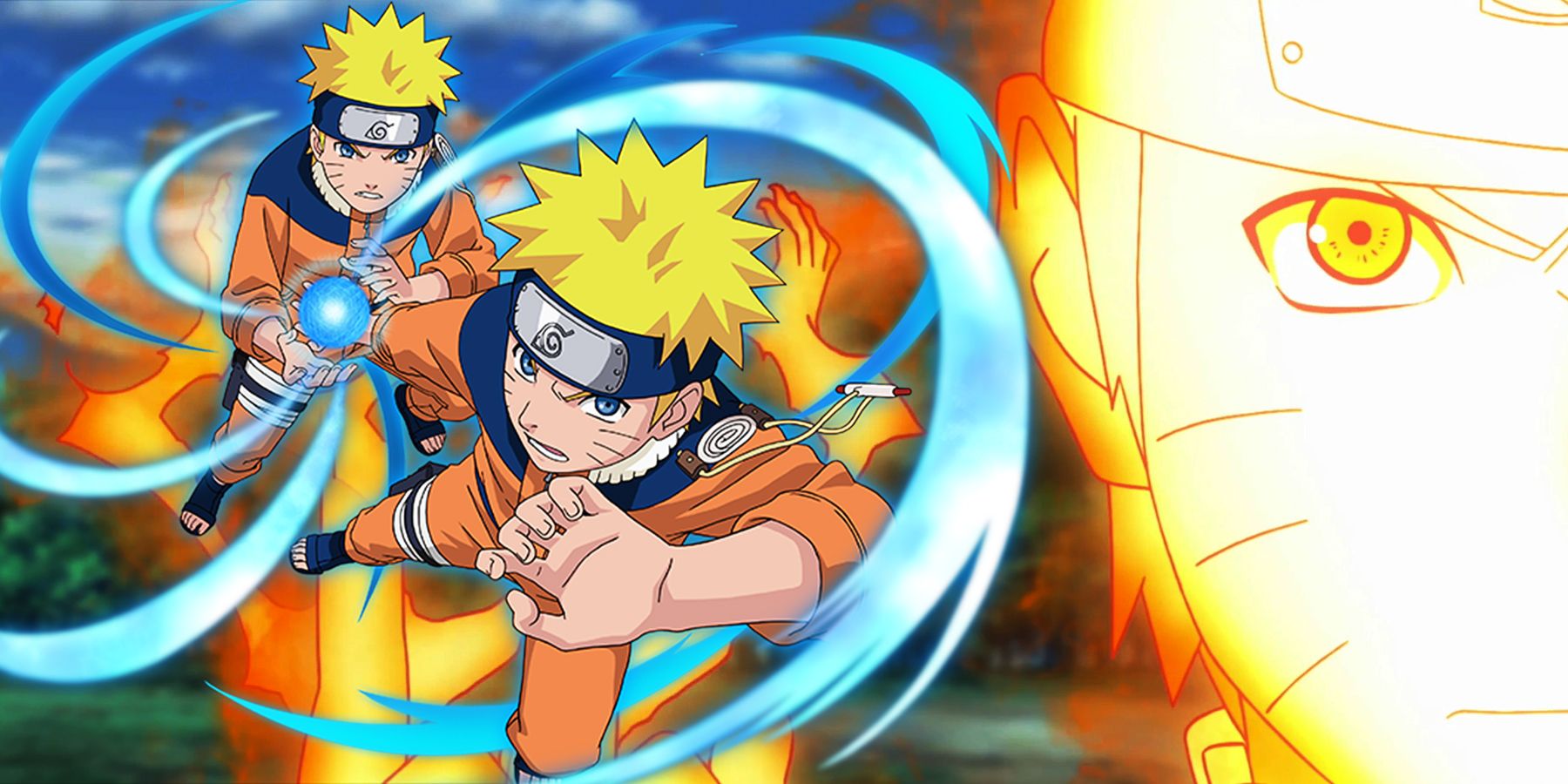
Writing a compelling Naruto crossover fanfiction requires more than just dropping characters into a foreign universe and hoping they clash. The appeal of mixing Masashi Kishimoto's ninja world with entirely different franchises lies in narrative friction. When two distinct power systems and cultural frameworks collide, the resulting story works only if the fusion feels earned. Authors are shifting away from superficial mashups. Instead, they're building stories around deep thematic parallels that make strange pairings look inevitable.
Understanding why these modern narratives resonate requires looking closely at how character motivations drive the plot. If you're building a story where Uzumaki Naruto lands in Gotham City or the Marvel Cinematic Universe, you can't just rely on raw power scaling. You have to examine how chakra interacts with external rules, how ninja philosophy contrasts with local law, and what happens when an optimistic shinobi confronts a cynical setting. Let's break down how to design these cross-universe narratives so they actually hold a reader's attention from chapter one to the final arc.
Anatomy of a Cross-Universe Fusion
A successful crossover relies on structural compatibility. You aren't just merging two wikis; you're creating a shared sandbox where both worlds keep their core identities while bending enough to share space. Writers often stumble by either nerfing one universe completely or letting overpowered characters break the tension entirely.
Balancing Power Systems and Magic Rules
Chakra is versatile, but it operates on specific internal logic—physical and spiritual energy molded into elemental or jutsu techniques. When you blend this with other systems, like comic book magic, sci-fi technology, or fantasy mana, you need clear boundary lines.
- Establish baseline equivalence early: Decide how foreign energy interacts with chakra shields, genjutsu, and physical defense.
- Avoid instant-win buttons: If a character can solve every regional crisis with a single shadow clone or rasenshuriken, the narrative tension evaporates instantly.
- Impose resource constraints: Make chakra exhaustion matter, or introduce environmental factors in the host universe that drain or alter energy generation.
Bridging Cultural and Philosophical Divides
Naruto's ninja world is shaped by military-industrial villages, generational trauma, and the pursuit of peace through understanding. Dropping characters from this background into a modern metropolis or a gritty medieval realm creates rich narrative opportunities.
For instance, putting a veteran ANBU operative into a setting with civilian police forces forces a direct clash of ethics. The shinobi views extrajudicial execution and tactical assassination as standard tools for survival. The local populace views those same tactics as monstrous. Don't smooth over these conflicts too quickly. Let the friction drive character growth and force hard choices.
Crafting Believable Character Dynamics
Character interactions are the heartbeat of any long-form narrative. When writing Naruto crossover fanfiction, lazy writing leans on instant friendships or predictable romantic pairings. Real chemistry takes time to build, especially when language barriers, cultural norms, and divergent life experiences separate the cast.
Avoiding OOC (Out-of-Character) Pitfalls
It's easy to distort canon personalities to fit a plot convenience. If Naruto behaves like a brooding mastermind or Kakashi turns into a negligent caricature, readers check out. Keep core psychological traits intact even when placing characters under extreme stress.
- Retain core motivations: Naruto's drive to be acknowledged and protected by his peers remains central, no matter what dimension he's standing in.
- Adapt reactions logically: Place characters in unfamiliar situations, but let them respond based on their established trauma, training, and worldview.
- Showcase gradual adaptation: Let characters struggle with new technology, unfamiliar foods, and foreign social cues before mastering them.
Designing Meaningful Mentor and Rival Bonds
Some of the most engaging stories emerge from unexpected mentorships. Pairing Naruto with an unlikely mentor from a different franchise—someone whose cynical worldview directly challenges ninja optimism—creates instant narrative depth. The key is mutual influence. The mentor shouldn't just hand out upgrades; they should question the very foundation of how the shinobi was raised. Similarly, rivals should push each other past their comfort zones, forcing both characters to adapt their combat styles and personal philosophies.
Common Pitfalls in Cross-Universe Storytelling
Many promising drafts stall out because they fall into predictable traps. Recognizing these mistakes before you publish saves you endless rewriting later.
Info-Dump Overload
Don't spend the first three chapters explaining the deep lore of both universes. Readers already know the source material; they want to see how your specific scenario plays out. Weave exposition naturally into dialogue and action sequences. If a character has to explain a complex jutsu or a foreign magic system, make it part of a training montage or a tactical debate during a crisis.
Pacing and Plot Bloat
Crossovers frequently suffer from massive word counts that wander aimlessly. Without a tight central conflict, chapters devolve into endless slice-of-life scenes that stall momentum. Keep your main objective clear. Whether it's finding a way home, stopping a shared threat, or surviving a hostile environment, every scene should push the characters closer to a turning point.
For broader insights into how digital publishing and community platforms shape serial storytelling, you can explore resources like Archive of Our Own for formatting standards and FanFiction.Net for historical community trends.
Frequently Asked Questions
How do I choose the right secondary universe for a Naruto crossover?
Pick a setting that offers a stark contrast to the shinobi world without erasing its core mechanics. Settings with strong political structures, complex moral gray areas, or unique magic systems provide the best narrative friction.
Should I alter canon power levels to make the story work?
Yes, minor adjustments are usually necessary for narrative balance. If a universe features god-tier entities, you should establish how ninja techniques scale against them so the combat remains suspenseful.
How do I handle language barriers between universes?
You can address this in a few ways. Some authors use translation seals or linguistic jutsu as a quick narrative bridge. Others treat the language barrier as an early obstacle, forcing characters to spend the first few chapters communicating through non-verbal cues and combat until they learn the local tongue.
What makes an unlikely unification feel believable to readers?
Believability comes from shared emotional struggles. Even if characters come from entirely different realities, mutual trauma, similar goals, or complementary flaws give them a realistic reason to team up and trust one another.