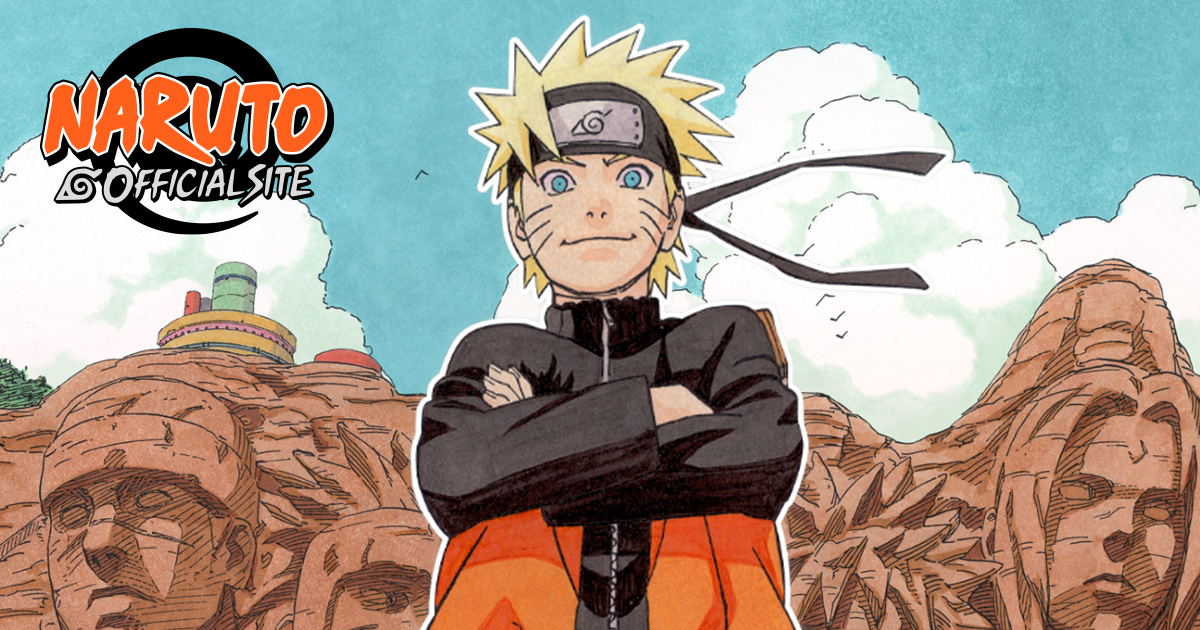
Naruto crossover fanfiction has grown into a massive digital subculture, pulling characters from the Hidden Leaf Village into entirely different universes. Platforms like Archive of Our Own and FanFiction.net host hundreds of thousands of stories where ninja clash with wizards, superheroes, and space pirates. This phenomenon thrives because the source material leaves plenty of room for interpretation.
Readers love these stories because they mix familiar powers with fresh settings. Instead of sticking strictly to canon rules, writers use the flexible power systems of the ninja world to test how characters react outside their comfort zones. This article breaks down why this trend exploded, how writers build these worlds, and what makes the subgenre endure.
Why Naruto Fits Crossovers Better Than Other Anime
Every long-running anime has fanfiction, but Masashi Kishimoto's creation stands out as uniquely adaptable for cross-universe storytelling. Several structural elements make it a favorite for writers looking to mash different franchises together.
- Flexible Power Scaling: Chakra provides a neat bridge for magic, ki, or sci-fi energy sources. A writer can easily scale jutsus up or down to match a new universe's threat level.
- Open World-Building Gaps: The original story focuses heavily on Konoha and a few neighboring nations, leaving massive portions of the globe vague. Creators use these blank spots to insert new lore or foreign realms.
- A Pluralistic Cast: With dozens of distinct clans, ninja ranks, and specialized combat styles, authors can pull minor or major characters into new plots without breaking character logic.
The sheer malleability of the main protagonist also helps. A character who starts as an underdog and faces systemic rejection can realistically adapt to harsh new environments, whether he wakes up in a dystopian city or a magical academy.
Common Tropes and Structural Patterns
Writers rely on recurring narrative devices to bridge two distinct canons. Recognizing these patterns helps explain how authors manage complex multi-universe mechanics.
The Dimensional Drop
The most straightforward approach drops a canon character directly into a foreign setting through seals, jutsu mishaps, or divine intervention. This creates immediate fish-out-of-water tension. A ninja accustomed to tracking by chakra signatures must suddenly deal with environments lacking any spiritual energy source.
Fusion Universes
Instead of moving a character across dimensions, fusion fics rewrite history so that both settings occupy the same planet. Konoha might exist on a hidden continent within a fantasy realm, or modern metropolitan heroes might coexist with hidden shinobi villages. This eliminates travel logistics and allows for deep political and social integration from chapter one.
Common Pitfalls in Cross-Universe Writing
Crafting a compelling multi-franchise story is difficult, and writers frequently run into structural roadblocks that alienate readers.
- Power Imbalance: Making the imported character too powerful ruins tension. If a ninja can defeat foreign villains with a single clone, the plot stalls.
- Voice Distortion: Stripping away a character's core personality traits to fit a new romance or plotline makes them unrecognizable to fans of the original work.
- Info-Dumping: Spending the first five chapters explaining the rules of both universes halts momentum before the actual crossover plot begins.
Frequently Asked Questions
Where do most people read these stories?
The vast majority of long-form stories live on Archive of Our Own and FanFiction.net, while shorter serials and interactive updates frequently appear on platforms like Wattpad.
Why are crossover stories often longer than canon arcs?
Writers have to establish rules for two distinct fictional universes simultaneously. Merging magic systems, political factions, and opposing histories naturally expands word counts.
Do I need to know both source materials to enjoy a crossover?
Not always. Well-written stories usually provide enough context within the dialogue and narration so that readers unfamiliar with one of the source fandoms can still follow the plot.
Are these projects officially recognized?
No. Fanfiction operates under creative commons and fair use traditions within enthusiast communities, meaning original creators and rights holders do not endorse or sponsor them.



