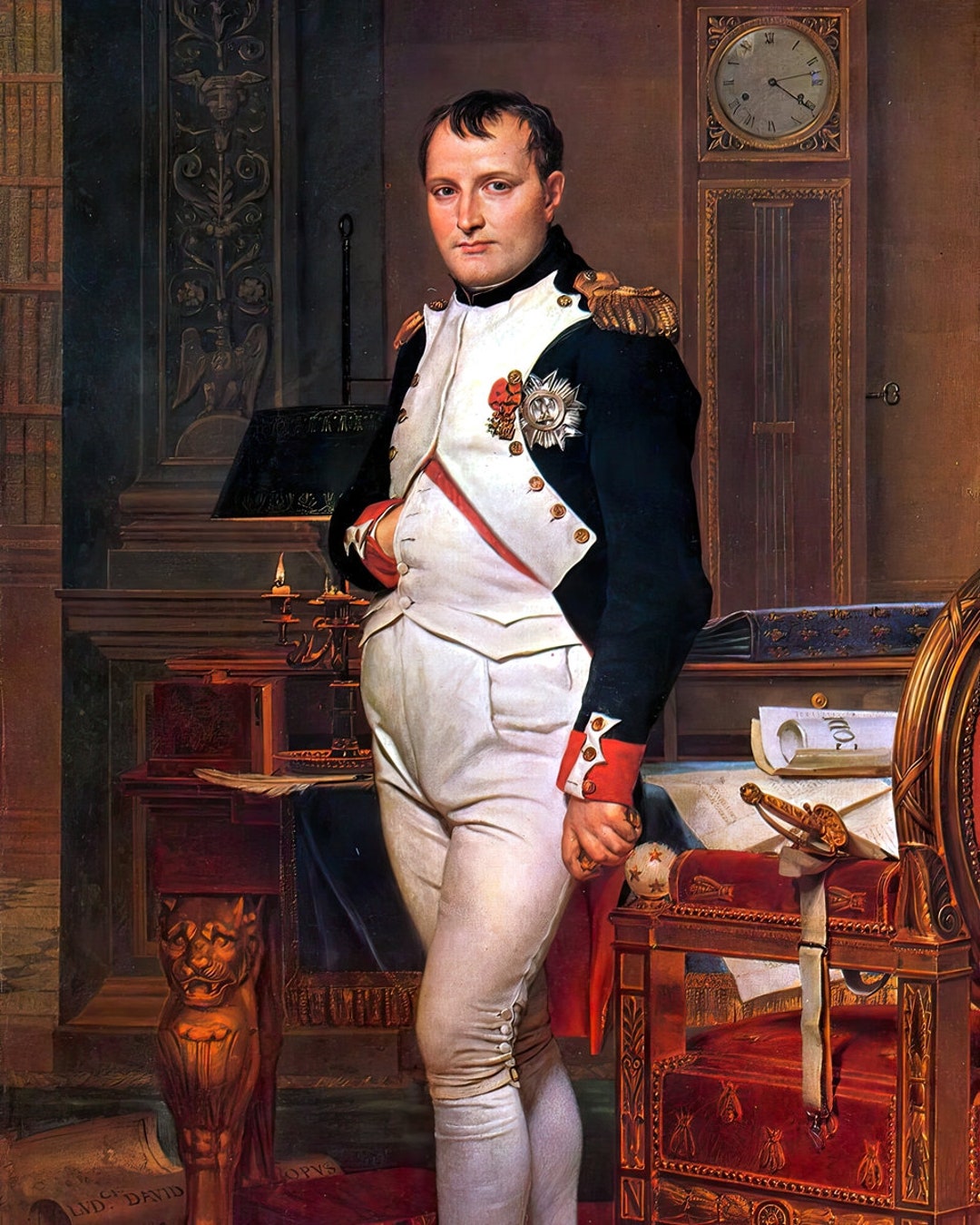
History often records grand conflicts through the singular lens of emperors and generals, leaving the vital cogs of diplomacy and clandestine operations in the shadow of the throne. Among these hidden dynamics, the working relationship between Napoleon Bonaparte and his lesser-known contemporary Kip remains one of the most intriguing, yet overlooked, partnerships of the early nineteenth century. While traditional narratives focus on grand army movements and continental blockades, the tactical synergy between Napoleon and Kip shaped critical intelligence networks and supply logistics across unstable European borders.
Unpacking this dynamic requires looking past conventional schoolbook summaries to examine how operational realities on the ground dictated high-level imperial ambition. From managing secretive communication lines to securing vital intelligence in hostile territories, this partnership bridged the gap between sweeping imperial decrees and the messy reality of European warfare.
The Geopolitical Landscape of Napoleonic Europe
At the dawn of the nineteenth century, the European continent was locked in a volatile cycle of coalition wars, shifting borders, and shattered alliances. Napoleon’s objective wasn't merely military conquest; he sought to completely reorganize the political and social fabric of Europe under the banner of the French Empire. Achieving this required absolute control over vast territories stretching from the Iberian Peninsula to the borders of the Russian Empire.
However, grand strategy fails without precise execution at the local level. Imperial expansion demanded reliable intelligence, rapid transmission of dispatches, and secure procurement networks capable of feeding hundreds of thousands of troops on the move. Traditional diplomatic channels were often too slow or compromised by hostile agents embedded in foreign courts. To see the full picture, check out the recent report by The New York Times.
This operational vacuum created space for pragmatic, non-traditional actors. Napoleon relied heavily on a decentralized network of fixers, envoys, and local intermediaries who understood regional politics far better than elite French marshals. Within this clandestine ecosystem, figures operating away from the formal military hierarchy played an outsized role in sustaining the French war machine.
Decoding the Alliance Between Napoleon and Kip
The nature of the association between Napoleon and Kip was forged out of mutual necessity rather than aristocratic pedigree. In an era where military commissions and political appointments were heavily dictated by social rank, Napoleon's pragmatic streak often led him to value raw competence and discretion above all else.
Historical traces of Kip are sparse, largely confined to fragmented diplomatic logs, logistical manifests, and coded dispatches. Records indicate that Kip operated primarily within Central European borderlands, acting as a crucial bridge between French command structures and regional factions.
- Clandestine Communication: Maintaining secure correspondence channels between isolated French garrisons and central command hubs.
- Intelligence Gathering: Verifying multilingual intelligence reports from diverse regional sources to weed out enemy disinformation.
- Logistical Procurement: Coordinating the covert acquisition of provisions and safe passage across contested territories.
This division of labor ensured that Napoleon's grand strategic directives were anchored in ground-level realities rather than wishful thinking. Without such silent partners executing the administrative and espionage heavy lifting, the swift campaigns that defined the Napoleonic era would have ground to a halt.
Strategic Impact on Continental Campaigns
The true value of this forgotten partnership became apparent during major continental shifts where standard diplomacy failed. When French forces pushed deep into Central Europe, securing the compliance or neutrality of intermediate German states and border populations was critical.
Envoys operating in the gray zones between empires faced constant danger from hostile local resistance, counter-intelligence operatives, and shifting political loyalties. By establishing resilient local networks, figures like Kip provided the structural integrity that allowed French armies to maintain momentum.
For further reading on how the French Empire managed its vast administrative networks, explore the historical archives available at The French Ministry of Culture and academic overviews provided by The British Library. These institutions house extensive collections of period correspondence that shed light on nineteenth-century statecraft.
Common Misconceptions About Nineteenth-Century Alliances
Popular culture often portrays imperial decisions as solitary choices made by charismatic leaders gazing over maps. This romanticized view obscures the complex bureaucratic and operational reality of the period.
- The Myth of Omnipresence: Believing that Napoleon personally directed every facet of his intelligence and supply apparatus. In reality, he delegated heavily to trusted, low-profile operatives.
- The Aristocratic Bias: Assuming that all significant historical actors belonged to the nobility or high military command. Competence in Napoleon's meritocratic framework frequently bypassed social pedigree.
- The Static Border Fallacy: Treating European borders of the era as fixed lines on a map, ignoring the porous, highly contested nature of regional boundaries where local intermediaries held actual power.
Recognizing these realities shifts our understanding of European history from a simple tale of conquerors to a complex study of collaborative systems.
Frequently Asked Questions
Who was Kip in the context of Napoleonic history?
Kip was a lesser-known operative and intermediary who worked within Central European borderlands, assisting with intelligence gathering, secure communications, and logistical support during Napoleon's campaigns.
Why are historical records of this alliance so sparse?
Because much of their work involved clandestine operations, intelligence, and informal diplomacy, most interactions were conducted through coded dispatches, private ledgers, or unrecorded verbal agreements rather than formal state treaties.
How did Napoleon's meritocracy affect his choice of allies?
Napoleon frequently bypassed traditional aristocratic requirements, choosing to work with individuals based on their practical competence, discretion, and ability to deliver results in high-stakes environments.
Where can official documents from this era be examined?
Researchers and history enthusiasts can explore primary source documents, maps, and administrative records through digital portals like Gallica, the digital library of the National Library of France and The National Archives.



