Dealing with a shattered bottle of nail polish on a hard floor or carpet can turn your day upside down in seconds. Beyond the striking stain, the harsh chemical solvents inside the formulation present real safety and indoor air quality concerns. Whether you are managing an accidental spill at home or trying to interpret specific retail hazardous material guidelines like those associated with commercial workplace protocols, knowing the exact physical properties of nail polish determines how to clean it safely without damaging surfaces or risking exposure.
Nail polish is a complex chemical mixture primarily composed of film formers, plasticizers, resins, and organic solvents. The most common solvents found in standard lacquers include acetone, ethyl acetate, and butyl acetate. These volatile organic compounds evaporate rapidly into the air, creating strong odors and irritating fumes that can trigger headaches or respiratory discomfort if ventilation is inadequate. Furthermore, nitrocellulose, the typical film-forming agent used to give polish its hard, glossy finish, is highly flammable. Treating a spill incorrectly—such as using heat or the wrong cleaning agents—can create a secondary hazard rather than resolving the mess.
Identifying the Hazard Profile of Nail Polish
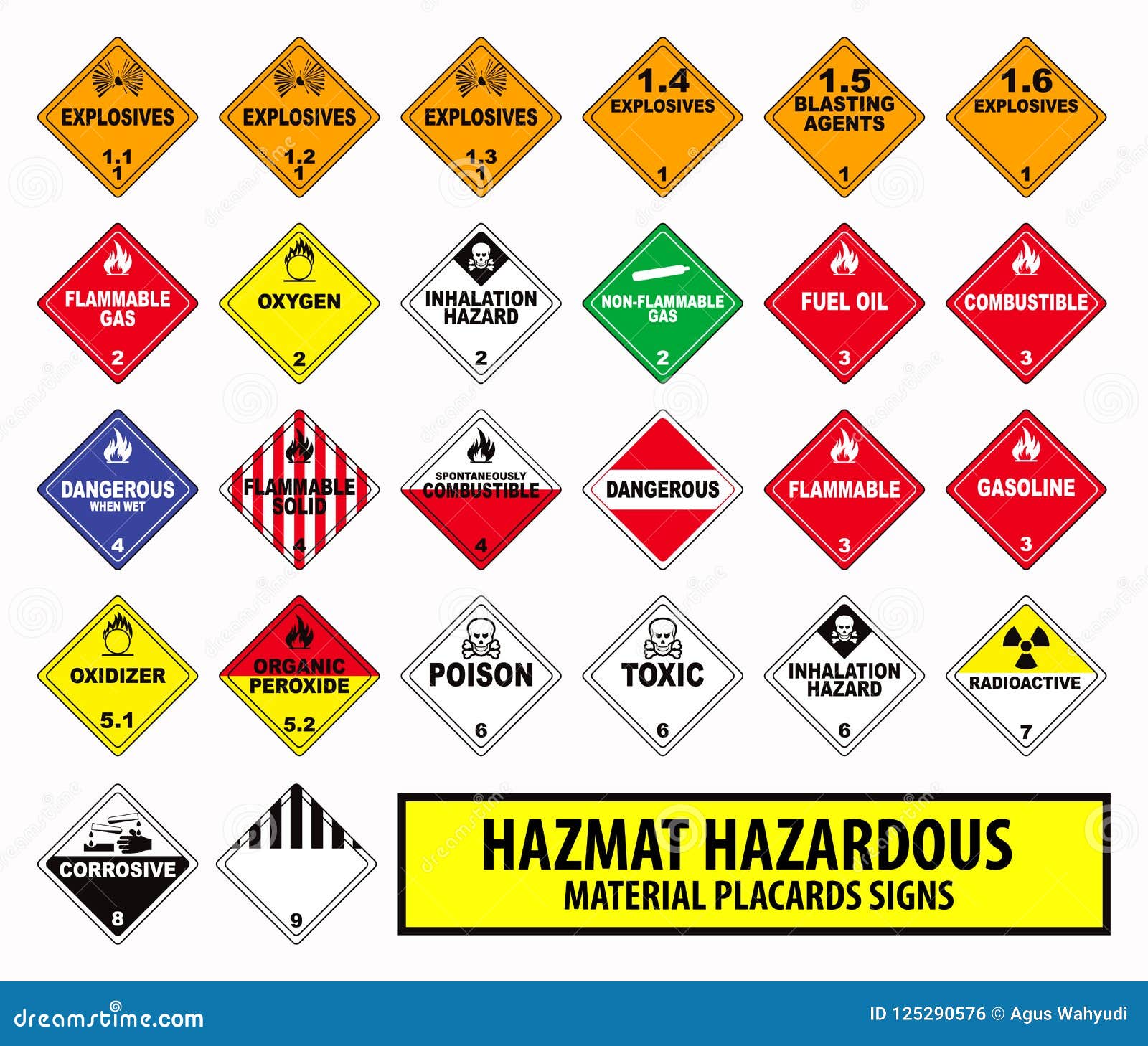
Before touching a paper towel, it helps to understand why nail polish requires cautious handling. It is classified under standard environmental guidelines as a hazardous material due to its flammability and chemical composition. While a single consumer-sized bottle does not require industrial spill kits, commercial environments or large-scale retail settings must follow strict standard operating procedures to protect staff and patrons.
The primary risks associated with a liquid nail polish spill break down into three main categories: For another perspective on this event, see the latest update from Reuters.
- Flammability: Solvents like acetone and ethyl acetate have low flash points. Open flames, sparks, or even static electricity near a fresh spill can ignite the vapors.
- Chemical Exposure: Inhalation of concentrated vapors in a poorly ventilated room causes dizziness or eye irritation. Direct skin contact can dry out or irritate sensitive skin.
- Surface Reactivity: Solvents in polish instantly dissolve synthetic fibers, certain plastics, wood finishes, and acrylic surfaces. Using regular nail polish remover to clean up a spill on a laminate or varnished table will strip the finish off the furniture.
Household Versus Commercial Spill Standards
At home, a spill is usually managed with household supplies and proper ventilation. In commercial or retail operations—such as department stores, beauty supply shops, or hypermarkets—specific internal protocols (often referenced in procedural documents as question-based safety checks) govern the response. Retail workers are typically trained to treat chemical spills based on volume and toxicity. Even though retail nail polish bottles are small, the presence of hazardous solvents means staff must use designated personal protective equipment, such as nitrile gloves, and ensure the area is cordoned off if public foot traffic poses a slip or chemical contact hazard.
Step-by-Step Cleanup Protocol for Hard Surfaces
Hard surfaces like tile, hardwood, linoleum, and sealed concrete make cleanup easier because the liquid cannot soak deep into underlying padding. However, the choice of solvent matters immensely.
- Ventilate the Area Immediately: Open nearby windows and turn on exhaust fans to disperse volatile fumes before they accumulate.
- Put on Protective Gear: Wear nitrile or rubber gloves. Standard kitchen dishwashing gloves work, but heavy-duty gloves protect against direct solvent exposure.
- Absorb Excess Liquid: Blot—never wipe—the liquid using thick paper towels or disposable rags. Wiping smears the pigment and widens the affected zone.
- Select the Right Solvent: If the floor is unfinished wood or delicate laminate, avoid using pure acetone, as it will dissolve the floor coating. Instead, use rubbing alcohol or mineral oil to lift the wet polish. If the floor is tile or sealed concrete, a small amount of acetone or standard nail polish remover applied to a rag helps dissolve the remaining resin.
- Neutralize and Clean: Wash the area thoroughly with warm, soapy water to remove residual chemical films.
- Dispose of Waste Safely: Place all used paper towels and cleaning materials into a sealed plastic bag before throwing them into an outdoor trash bin to prevent indoor vapor buildup.
Handling Spills on Fabrics and Carpets
Carpets and upholstered furniture present a tougher challenge because the liquid flows down the fibers into the backing. Speed is everything here. If the polish dries completely, removal becomes significantly harder.
Never rub a wet polish stain on carpet. Rubbing pushes the pigments deeper into the fibers and frays the yarn. Instead, follow these precise steps:
- Scrape Gently: Use a dull putty knife or the edge of an old plastic card to lift excess wet polish off the surface, working from the outside edges toward the center to prevent spreading.
- Test Your Solvent: Apply a few drops of non-acetone nail polish remover or rubbing alcohol to a hidden corner of the carpet first to ensure it doesn't melt synthetic carpet fibers (like polyester or nylon).
- Blot, Don't Soak: Dab the stain with a clean white cloth dampened with the solvent. Press down firmly and lift straight up. You will see the color transfer onto the cloth.
- Rinse and Extract: Once the color stops transferring, blot the area with cold water to dilute and remove residual chemicals. Press dry towels into the carpet to absorb excess moisture.
Proper Disposal of Waste and Expired Polish
Disposing of old or congealed nail polish requires more care than simply tossing glass bottles into a curbside recycling bin. Because liquid polish contains hazardous chemicals, pouring it down the drain or toilet introduces toxic pollutants into municipal water treatment systems and can corrode household plumbing.
If you have unused or expired bottles of polish, you should not dump them out. Instead, allow the remaining polish to harden completely inside the bottle in a well-ventilated area away from heat sources. Once the contents are completely solid, the container can generally be disposed of safely in standard household trash, depending on local municipal waste rules. For large quantities or commercial volumes, consult the Environmental Protection Agency household hazardous waste guidelines to find local collection facilities that accept chemical products.
Why You Should Never Pour Polish Down the Drain
- Plumbing Damage: Solvents and thick resins coat pipe interiors, attracting hair and debris to form stubborn clogs.
- Environmental Impact: Chemical additives do not break down easily in standard water treatment plants, threatening aquatic life if they reach natural waterways.
- Vapor Accumulation: Liquid chemicals evaporating inside drain traps can push harmful fumes back up into living spaces.
Frequently Asked Questions
Can I use regular nail polish remover on a carpet spill?
You can use non-acetone nail polish remover on most synthetic carpets, but you must test it on an inconspicuous spot first. Acetone will instantly melt synthetic carpet fibers like polyester and triacetate, turning a polish stain into a permanent hole.
What should I do if someone inhales too many polish fumes?
Move the affected person to fresh air immediately. If they experience persistent dizziness, headaches, or difficulty breathing, seek medical advice or contact your local poison control center right away. Always ensure strong ventilation whenever you use solvent-based cosmetics.
How do I safely dispose of empty glass nail polish bottles?
Empty bottles that are completely dry and contain no liquid residue can usually be thrown in the trash. Glass recyclers generally reject nail polish bottles because the residual chemicals and brush handles contaminate the glass recycling stream.
Is dried nail polish considered hazardous waste?
Once nail polish is 100% dry and hardened, the volatile solvents have fully evaporated, meaning it no longer poses a flammability or vapor hazard. Dried polish inside a sealed container is typically treated as standard solid waste in small quantities.



