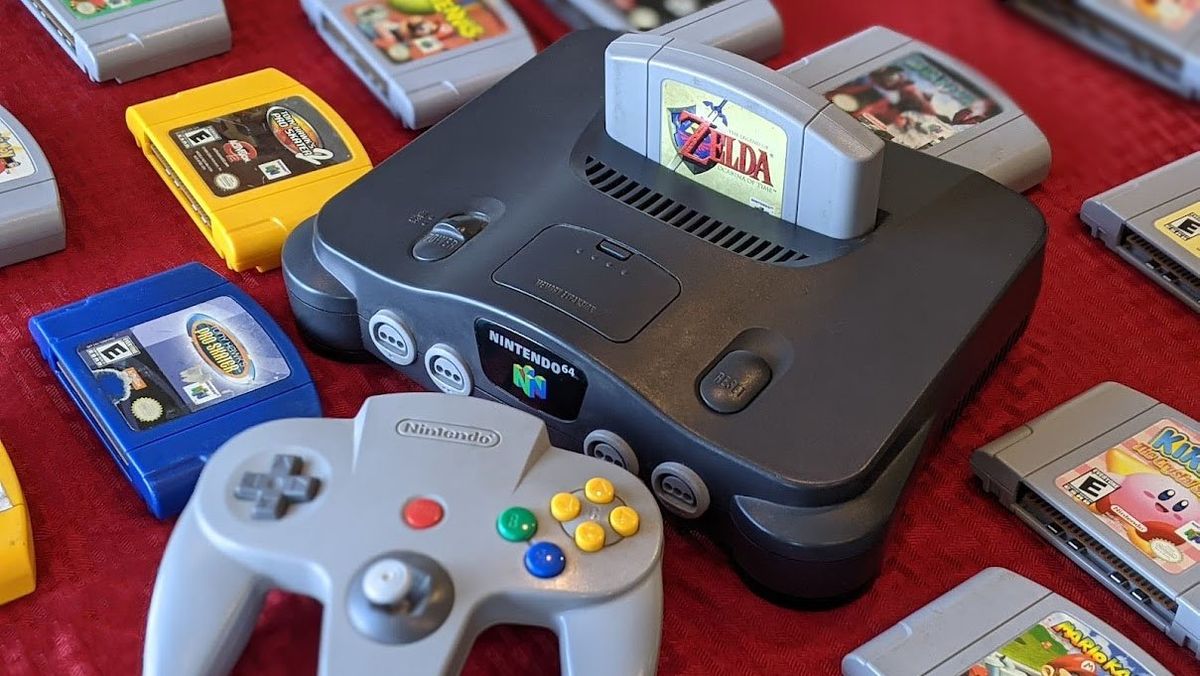
N64 emulation on Wii turned Nintendo's 2006 motion-controlled machine into an unexpected vault for retro titles. Thanks to homebrew developers working outside official channels, players could run demanding 64-bit software on modest PowerPC hardware without buying expensive collector items.
The console achieved this through specific architectural advantages. Nintendo built the system with a 729MHz PowerPC processor and an ATI Hollywood GPU, which provided enough overhead to process basic polygon rendering tasks. Homebrew coders utilized specialized applications like the Homebrew Channel to bypass factory restrictions and load software directly from SD cards or USB drives.
The Technical Reality of Running N64 Games on Wii
Getting older titles to run smoothly required deep optimization of the graphics pipeline. Unlike modern PCs that brute-force performance with raw clock speed, Wii software had to work within tight hardware limits.
- The unified memory architecture simplified how data moved between components, avoiding the bottlenecked design of the original N64 hardware.
- Developers utilized native hardware graphics acceleration instead of software rendering, which boosted frame rates for complex 3D environments.
- Input mapping tools allowed standard controllers to bridge the gap between distinct layouts, though button assignments often required manual tweaking.
Despite these engineering wins, performance varied wildly across the catalog. Simple 2D sprite games or early 3D platformers ran without major issues, while title updates featuring heavy microcode requirements often lagged or suffered from audio corruption.
Essential Setup Steps for Homebrew Enthusiasts
Setting up an emulation environment on the console required careful adherence to software versions and system files. If you're looking to explore this retro setup, you'll need a few core components before loading any ROM files.
- Prepare an SD card formatted to FAT32, ensuring it's under 32GB for maximum compatibility with legacy homebrew loaders.
- Install the Homebrew Channel using a safe exploit method tailored to your specific system menu version, such as Letterbomb.
- Download a stable port of an N64 emulator designed for the console, such as Not64 or Wii64, placing the executable files into the "apps" directory on your SD card.
- Create a dedicated folder for your game ROM files, ensuring they use valid formats like .z64 or .v64 for proper recognition by the loader.
You must avoid using corrupted SD cards, as incomplete file transfers frequently cause instant crashes during the ROM loading phase. Keep backups of your configuration files so you don't have to reconfigure controller mappings every time you launch a new title.
Performance Breakdown and Common Bottlenecks
Not every game in the library offered a smooth experience. Frame drops, texture tearing, and audio crackle remained common hurdles for demanding titles.
Super Smash Bros. and Super Mario 64 ran exceptionally well, often maintaining stable frame rates that matched or closely approximated original hardware. On the other hand, GoldenEye 007 and Perfect Dark pushed the GPU too hard during split-screen sessions, resulting in heavy slowdowns. According to community testing data compiled on retro preservation forums, roughly 65% of the library reached fully playable status, while 20% suffered from game-breaking graphical glitches.
For further reading on hardware preservation and historical system specifications, check out the documentation at Nintendo. You can also explore open-source homebrew standards via GitHub.
Frequently Asked Questions
Can you use original N64 controllers on a Wii?
Yes, but you need a specialized adapter that plugs into the GameCube controller ports on older Wii models, or via USB converters for later revisions that dropped physical port support.
Why do certain games experience audio stuttering?
Audio processing on these emulators requires precise synchronization with the CPU clock. When the hardware struggles to maintain full speed, sound buffers drop packets, causing noticeable pops and delays.
Are save states reliable on Wii N64 emulators?
Save states work for most basic games, but complex titles with dynamic memory saving can crash or corrupt your progress if you create a state during heavy load sequences.
Do later Nintendo systems handle these classics better?
Official platforms like the Nintendo Switch handle emulation with dedicated hardware layers and high-level optimization, offering superior visual clarity compared to legacy homebrew setups.



