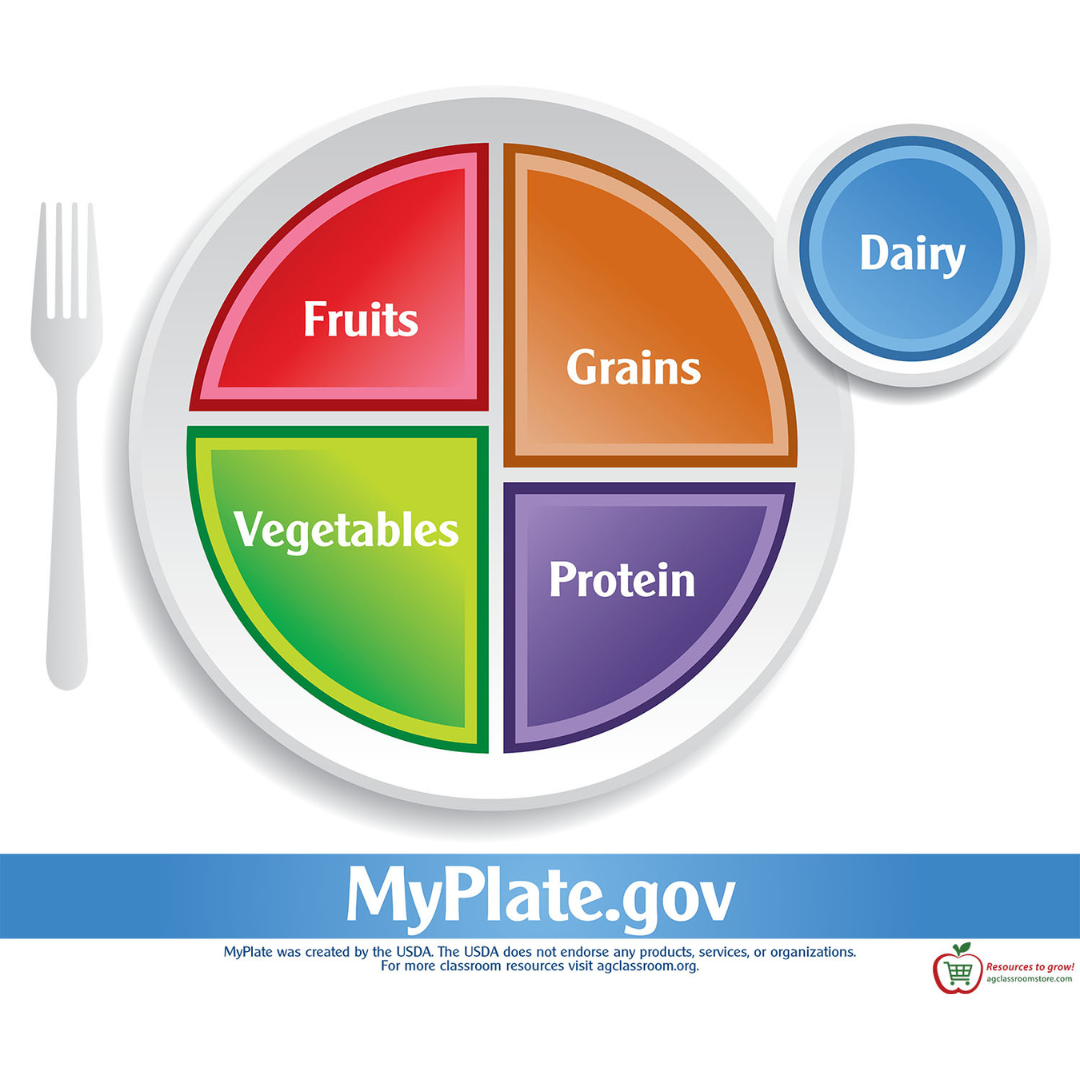
Teaching nutrition doesn't have to feel like a lecture. When you bring a MyPlate crossword into a classroom, community workshop, or family kitchen, you turn dietary guidelines into an active puzzle. Instead of passively memorizing food pyramids or federal charts, learners actively connect clues about the five food groups—fruits, vegetables, grains, protein foods, and dairy—with everyday dietary choices.
This interactive approach helps bridge the gap between abstract health concepts and daily meals. Whether you're an educator looking for student engagement strategies or a parent wanting to spark conversations about balanced nutrition, understanding how to design, solve, and apply these food puzzles makes healthy eating memorable.
Anatomy of a MyPlate Crossword Puzzle
A well-constructed nutrition crossword relies on precise terminology drawn directly from federal dietary standards. The U.S. Department of Agriculture introduced the MyPlate visual framework in 2011 to replace the older pyramid model, emphasizing proportional representation of food categories on a dinner plate.
When building or solving a puzzle based on this model, clues typically fall into four distinct categories:
- Food Group Identification: Clues targeting specific items within the five primary categories, such as leafy greens for vegetables or whole-wheat options for grains.
- Nutrient Functions: Clues connecting foods to specific vitamins, minerals, or macronutrients, like calcium for dairy or lean amino acids for proteins.
- Portion and Balance Concepts: Clues addressing dietary variety, empty calorie limits, and oil moderation.
- Meal Planning Terminology: Practical culinary terms that encourage balanced plate assembly.
For example, an across clue might read, "Orange root vegetable rich in beta-carotene" (answer: carrot), while a down clue could ask for the "Primary dairy alternative fortified with calcium" (answer: soy milk). These intersecting answers reinforce cognitive connections between food identity and nutritional value.
Educational Benefits of Puzzle-Based Nutrition
Traditional nutrition education often relies on rote memorization of serving sizes and food pyramids, which can lead to quick forgetting. Crossword puzzles engage multiple cognitive pathways simultaneously, combining vocabulary retrieval, spelling, and thematic recall.
Research in educational psychology indicates that puzzle-based learning improves information retention by turning information retrieval into a game. When learners search their mental lexicon for a five-letter word representing a whole grain, they actively evaluate nutritional categories rather than simply reading a textbook.
Classroom Integration Strategies
Educators across elementary and secondary levels use these puzzles to anchor lesson plans without overwhelming students.
- Warm-Up Activities: Use a short, 10-word puzzle at the beginning of a health class to activate prior knowledge about dietary fiber or fruit servings.
- Formative Assessments: Replace traditional quizzes with a custom crossword to evaluate whether students understand the difference between refined and whole grains.
- Collaborative Stations: Group students together to solve complex clues, encouraging peer-to-peer discussions about cultural food traditions that fit within the MyPlate guidelines.
For public health initiatives, community health centers distribute printable nutrition puzzles at local fairs. These handouts serve as a low-barrier entry point for adults who might find clinical dietary advice intimidating or overly restrictive.
Designing Your Own Custom Nutrition Crossword
If existing puzzles don't match your specific learning objectives, creating a custom puzzle is straightforward. Modern puzzle generators allow you to input custom word lists and clues. To build an effective learning tool, follow a structured design process.
- Define the Learning Objective: Determine whether the puzzle focuses on a single food group (like vegetables) or covers the entire MyPlate spectrum.
- Compile a Word Bank: Select 12 to 20 target terms that reflect accurate nutritional science and appropriate reading levels.
- Draft Direct and Inferential Clues: Balance simple definition clues with descriptive hints that require critical thinking. Avoid overly obscure vocabulary that causes frustration.
- Check Grid Intersections: Ensure intersecting letters flow naturally and avoid isolated letter clusters that make solving nearly impossible.
According to guidelines from the USDA MyPlate initiative, educational materials should emphasize flexibility and variety, ensuring that diverse cultural food traditions fit comfortably within the core food groups.
Addressing Dietary Diversity and Cultural Inclusion
A common pitfall in standard nutrition education is an ethnocentric focus on a narrow range of foods. When designing or selecting puzzle clues, it's vital to represent diverse culinary traditions.
For instance, protein sources shouldn't be limited to chicken and beef; clues can easily incorporate lentils, tofu, beans, or fish to reflect global dietary patterns. Similarly, grain clues can feature quinoa, teff, or tortillas alongside standard wheat bread. Inclusive puzzle design ensures that every participant sees their cultural heritage validated within the framework of healthy eating.
Frequently Asked Questions
What are the five food groups featured in a MyPlate crossword?
The five core groups are fruits, vegetables, grains, protein foods, and dairy. Some advanced puzzles also include oils as an associated dietary component.
Are these puzzles suitable for all age groups?
Yes. Elementary versions focus on simple food identification, while high school or adult versions incorporate complex nutritional concepts, macro-nutrients, and meal planning strategies.
How can I use these puzzles for remote learning?
Many digital puzzle creators allow you to generate interactive web links where students can solve the crossword directly on a tablet, computer, or phone with instant feedback.
Can I customize a MyPlate crossword for specific dietary restrictions?
Absolutely. You can tailor clues to focus on plant-based diets, gluten-free eating patterns, or budget-friendly grocery shopping by adjusting your custom word list.



