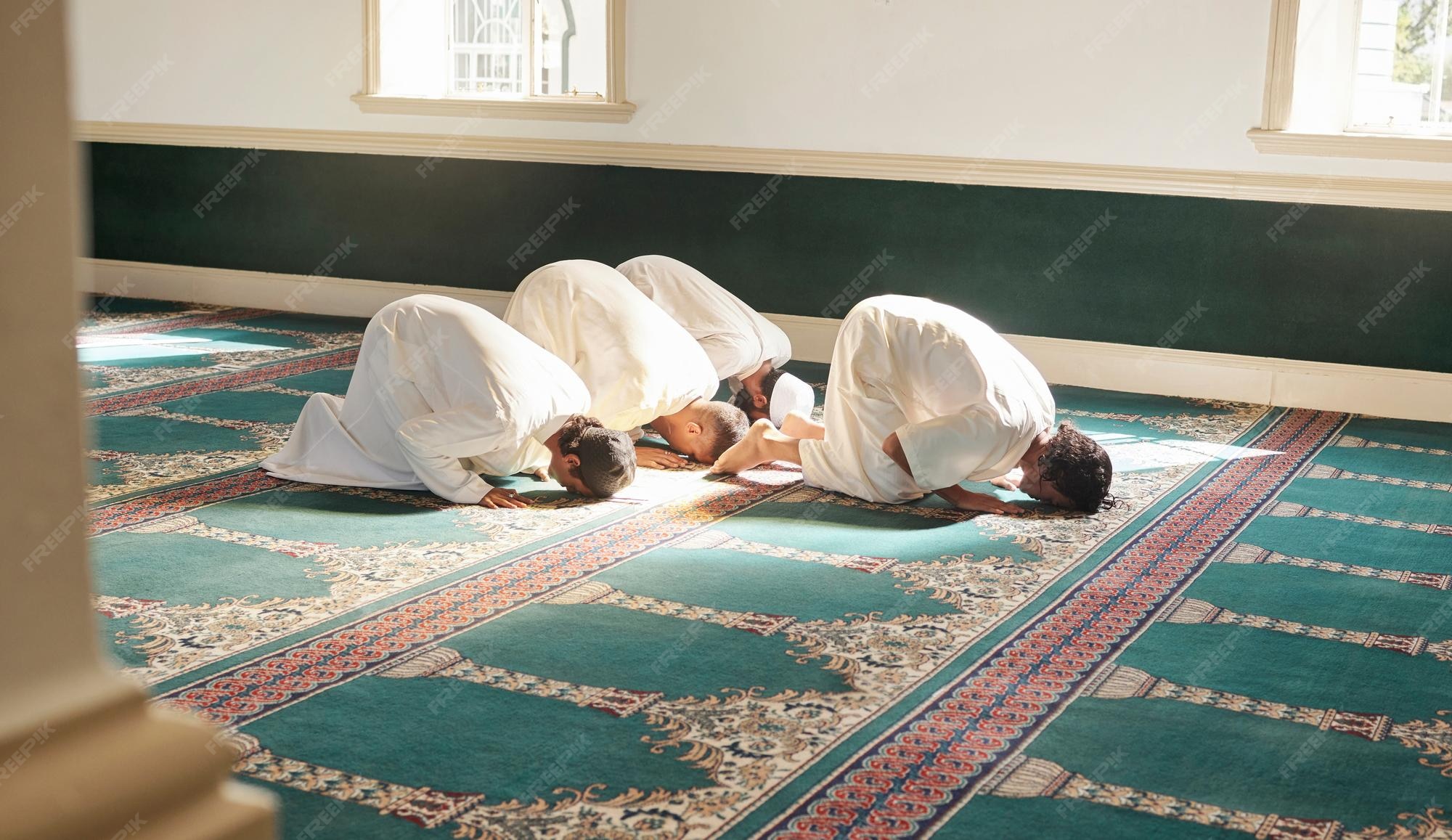
Navigating faith and self-expression in the modern era often brings unexpected conflicts. For practicing believers who choose body art, the intersection of religious tradition and personal identity creates a complex balancing act. The primary keyword, muslim with tattoos, captures a distinct subculture within the global ummah where traditional jurisprudence meets contemporary youth culture. Young believers worldwide are challenging rigid cultural norms, seeking personal authenticity while remaining devoted to their Islamic faith.
The discussion around body modification in Islam usually centers on well-known hadiths. Jurisprudence traditionally points to prohibitions against permanent alterations to the human body, viewing the physical form as a trust from the divine. Yet, the lived reality on the ground tells a much more nuanced story. Tattooed believers aren't necessarily turning away from their religion; instead, they're exploring deep spiritual connections through custom calligraphy, Quranic verses, and cultural symbols etched onto their skin. This phenomenon highlights a dynamic shift in how younger generations interpret religious texts in secular and pluralistic societies.
The Theological Framework and Modern Interpretations
Traditional Islamic scholarship relies heavily on explicit sayings attributed to the Prophet Muhammad regarding body modification. These rulings emphasize preserving the body in its natural state and avoiding unnecessary alterations. Conservative viewpoints argue that permanent tattoos violate this preservation principle and interfere with ritual cleanliness requirements for daily prayers.
However, contemporary theological discussions often introduce fresh perspectives. Scholars examining the nuances of these hadiths distinguish between decorative body art and practices rooted in ancient pagan rituals, which the original prohibitions targeted. Furthermore, contemporary thinkers emphasize that while traditional rulings discourage tattoos, having them does not expel an individual from the fold of Islam. Repentance and personal devotion remain paramount, allowing believers with body art to participate fully in religious and community life.
- Traditional rulings emphasize bodily preservation and adherence to classical hadiths.
- Contemporary scholars analyze historical context and intent behind body modification.
- Believers often separate personal sins or debated actions from core faith and community standing.
Motivations Behind Body Art in the Ummah
Choosing to get inked as a practicing Muslim rarely stems from a desire to rebel against religion. Instead, personal motivations typically reflect deep spiritual commitments or significant life milestones. Many individuals use permanent body art to honor their heritage, commemorate resilience, or maintain a physical reminder of divine protection.
Arabic calligraphy remains a popular choice among this demographic. Believers frequently choose phrases like Bismillah, verses from the Throne Verse, or the names of loved ones written in elegant script. These choices transform the skin into a personal journal of faith, serving as an ongoing conversation between the individual and their creator rather than an act of defiance against the community.
Common Design Choices
- Quranic Calligraphy: Verses highlighting patience, gratitude, or divine mercy.
- Cultural Motifs: Geometric patterns inspired by traditional Islamic architecture and carpet weaving.
- Memorials: Tributes honoring deceased family members or marking major life transitions.
Family Dynamics and Community Pressures
The decision to get body art carries significant social weight within tight-knit immigrant and conservative communities. Disclosing a new tattoo to parents or elders often triggers difficult conversations, generational friction, and concerns about community reputation. Many young adults choose to keep their body art hidden under clothing during family gatherings to avoid unnecessary conflict.
Older generations often view tattoos through the lens of old-world stigmas, associating them with criminality or rebellion. Bridging this gap requires immense patience and open dialogue. When younger family members explain that their ink represents a deeply personal spiritual journey rather than a rejection of family values, healing and acceptance frequently follow, even if initial disapproval runs deep.
- Generational Friction: Older relatives often associate body art with rebellion or past cultural stigmas.
- Privacy Management: Many professionals strategically place tattoos to maintain privacy in conservative or corporate environments.
- Interpersonal Dialogue: Explaining the personal meaning behind the art helps soften conservative views over time.
Regional Variations in Tattoo Acceptance
The experience of tattooed believers varies wildly depending on geography and cultural context. In Western nations, minority identity intersects with youth subcultures, making body art a common medium for self-definition. Muslims living in London, Toronto, or New York often find solace in diverse artistic communities where alternative self-expression is normalized.
Conversely, in Muslim-majority regions across the Middle East and North Africa, social surveillance can feel much more intense. Yet, vibrant underground art scenes thrive in cities like Jakarta, Beirut, and Casablanca. In Indonesia, for instance, indigenous tattooing traditions among groups like the Dayak blend smoothly with modern Islamic expressions among urban youth, creating unique regional variations of the trend.
Frequently Asked Questions
Does having a tattoo invalidate Islamic prayers?
No. According to mainstream Islamic jurisprudence, a tattoo does not prevent water from touching the skin during ritual washing (wudu), because the ink sits underneath the outer layer of skin. Therefore, daily prayers remain entirely valid.
How do tattoo artists within Muslim communities navigate client requests?
Many Muslim tattoo artists operate discreetly or within inclusive studio spaces. They frequently specialize in bespoke Islamic calligraphy and geometric designs, catering specifically to clients seeking culturally resonant body art.
Is laser removal common among regretful believers?
While some individuals eventually choose removal due to shifting personal tastes or mounting family pressure, many others keep their tattoos for life, viewing them as chapters in their unique spiritual evolution.
How do professionals handle visible tattoos in the workplace?
Many professionals opt for placement on areas easily covered by standard work attire, such as the torso, upper arms, or thighs, balancing personal expression with workplace expectations.



