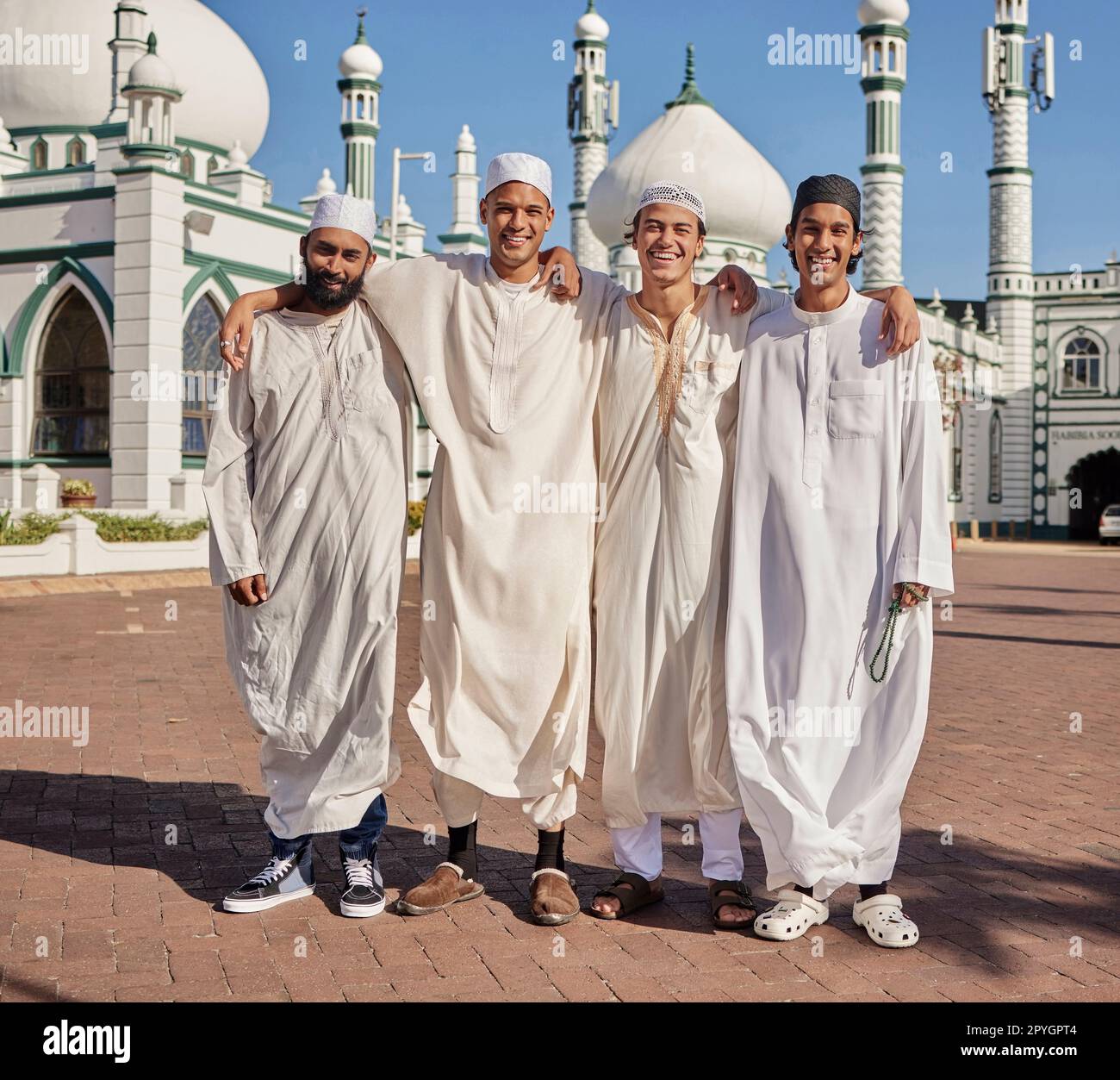
Muslim communities in Michigan represent one of the most vibrant and historically rooted cultural landscapes in the American Midwest. Stretching from the industrial corridors of Metro Detroit to smaller regional hubs, these populations have shaped local economies, civic life, and the broader social fabric of the region for well over a century.
Early migration waves brought workers from the Ottoman Empire to automotive factories in cities like Detroit and Dearborn. Over decades, these initial settlements expanded into robust neighborhoods, establishing mosques, community centers, and local businesses that anchor generations of families. Today, Michigan is home to some of the highest concentrations of Arab and Muslim Americans in the United States, making the state a vital focal point for studying immigration, faith, and community resilience in America.
Historical Roots in the Industrial Midwest
The history of Michigan's Muslim population is tied directly to the rise of the American automotive industry. In the late 19th and early 20th centuries, immigrants from regions such as Greater Syria, Lebanon, Yemen, and Iraq arrived in Southeast Michigan. Many were drawn by the promise of steady employment in factories, notably Henry Ford's revolutionary five-dollar workday implemented in 1914.
These early pioneers found a mix of opportunity and cultural adjustment. They built foundational institutions, including some of the earliest mosques in the United States. Life wasn't easy for these early arrivals. They navigated language barriers, industrial labor conditions, and the challenge of maintaining religious traditions far from home. Yet, they laid physical and social groundwork that made future migration possible.
Over subsequent decades, global conflicts and economic shifts drove new waves of migration. The Lebanese Civil War, conflicts in Iraq, and displacement across Palestine and Yemen brought fresh arrivals to Wayne, Macomb, and Oakland counties. Each wave added distinct cultural flavors, linguistic nuances, and community organizations to the existing infrastructure.
Geography of Faith: Dearborn and Hamtramck
When people talk about Muslim life in Michigan, cities like Dearborn and Hamtramck often take center stage. Dearborn features the country's highest concentration of Arab Americans, where Arabic signage lines commercial districts, and local public schools accommodate cultural and religious holidays.
Hamtramck, historically a Polish-American enclave, transformed over the decades into a diverse mosaic with a significant Yemeni and Bangladeshi Muslim population. In 2015, Hamtramck made national history by electing the first Muslim-majority city council in the United States.
Beyond these two prominent cities, communities thrive in unexpected places. Sterling Heights, Warren, and parts of Grand Rapids host growing populations with roots spanning South Asia, North Africa, East Africa, and the Middle East. This geographic dispersal shows that Michigan's Muslim presence isn't a monolith confined to a single neighborhood, but a diverse network spanning urban and suburban boundaries.
Cultural Life, Business, and Economy
Economic entrepreneurship remains a cornerstone of Michigan's Muslim communities. Small businesses, grocery stores, bakeries, and medical practices line commercial arteries like Warren Avenue in Dearborn. These enterprises provide local jobs, cater to halal dietary needs, and serve as gathering spaces for residents.
Institutions like the Arab American National Museum in Dearborn preserve the collective heritage of these populations, offering educational programming that bridges cultural divides. Social service agencies, such as ACCESS (Arab Community Center for Economic and Social Services), provide vital healthcare, job training, and youth programs, proving that community infrastructure goes beyond houses of worship.
- Halal Food Access: Restaurants and grocers offer certified halal options, making Michigan a culinary destination for halal dining.
- Education and Youth: Islamic day schools and weekend programs operate alongside public school advocacy groups to ensure children maintain cultural literacy.
- Civic Engagement: Local residents actively participate in municipal boards, school committees, and state politics, shifting from insulated immigrant enactive networks to mainstream political players.
Civic Integration and Evolving Politics
Political participation within Michigan's Muslim population has evolved significantly. For decades, many aligned with the Democratic Party, drawn by labor unions and inclusive social platforms. However, the community is politically diverse and independent.
Recent election cycles highlighted shifts in voting patterns, driven by debates over foreign policy, education policies, and social values. Voters don't act as a single bloc. Working-class families, business owners, youth, and elders hold distinct priorities, leading to complex coalitions with various political organizations across the state.
Frequently Asked Questions
Why did early Muslim immigrants settle in Michigan?
Early settlers arrived primarily for industrial jobs in Detroit and Dearborn's automotive plants during the early 1900s, where factories offered stable wages for immigrants willing to take on heavy manufacturing work.
What cities in Michigan have the highest Muslim populations?
Dearborn and Hamtramck host the highest concentrations of Muslim residents in the state, though significant populations also live in Detroit, Sterling Heights, Warren, and Grand Rapids.
Are all Muslims in Michigan of Arab descent?
No. While Arab Americans make up a large percentage of the population in Southeast Michigan, the state's Muslim community includes substantial populations from South Asia (Pakistan, Bangladesh, India), East Africa, Southeast Asia, and African American converts.
How do Michigan's Muslim communities preserve their cultural heritage?
Communities maintain their heritage through local mosques, cultural centers, ethnic grocery stores, community festivals, Arabic-language schools, and organizations like the Islamic Center of America in Dearborn.


