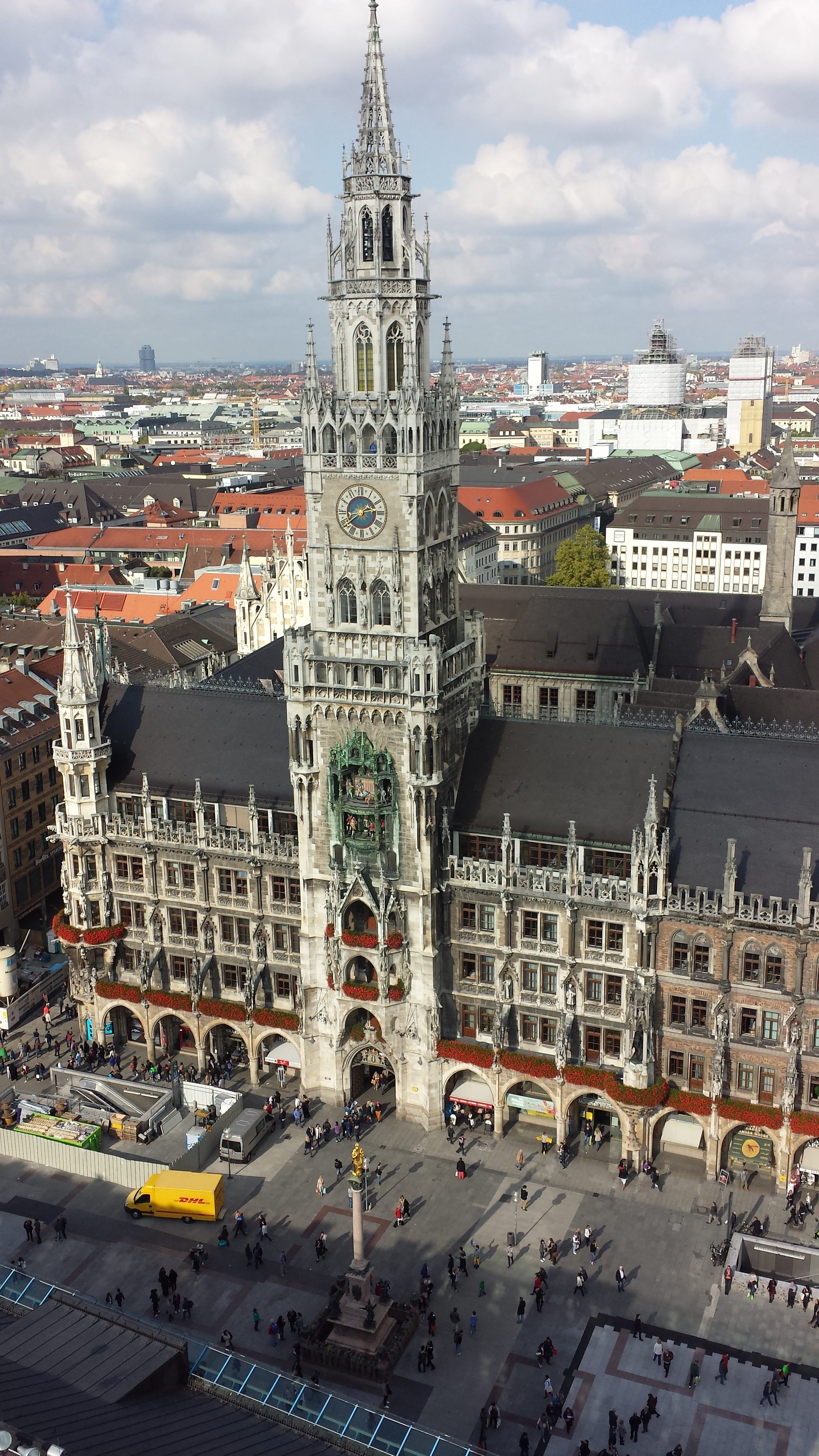
While most visitors spend their time elbow-to-elbow at Marienplatz or waiting in line at the Hofbräuhaus, Munich holds a quieter, more authentic rhythm just a few blocks away. Bavaria's capital isn't just a postcard city of royal palaces and bustling beer halls; it's a sprawling collection of distinct neighborhoods, quiet canals, and secret green spaces that most tourists entirely miss. If you look past the standard itinerary, you'll find a city where locals swim in crystal-clear rivers, explore tucked-away art courtyards, and drink local brews under sprawling chestnut trees without a tour bus in sight.
Escaping the heavily touristed tracks doesn't require leaving the city limits. Munich rewards those who wander down residential alleys, navigate its extensive bike paths, and trade commercial hotspots for neighborhood markets. This guide dives straight into the lesser-known corners of Munich, breaking down how to experience the city like a resident, where to find genuine quiet, and what practical steps ensure your trip runs smoothly.
Escaping the Crowds in the English Garden
The Englischer Garten is famous, but few visitors realize its true scale. Stretching from the city center all the way to the northeastern outskirts, this park is larger than Central Park and hides quiet zones where tourist foot traffic drops to zero.
Most travelers stop at the southern end to watch the surfers ride the Eisbach wave. Walk twenty minutes further north, past the Chinese Tower, and the landscape transforms. Streams narrow into quiet brooks lined with weeping willows, and grassy meadows open up for sunbathing and reading. To see the full picture, we recommend the detailed analysis by Lonely Planet.
- The Eicwald Stream: Perfect for wading on hot summer afternoons when downtown pavements trap the heat.
- The Monopteros: Climb this small Greek temple at sunrise for an unobstructed, crowd-free view across the Munich skyline.
- The Aumeister Beer Garden: Located at the northern tip of the park, this spot draws far more locals than tourists, offering a peaceful setting away from the downtown noise.
Haidhausen: Munich's French Quarter
Skip the crowded tourist restaurants and head east across the Isar River to Haidhausen. Often called Munich's French Quarter, this neighborhood features narrow winding streets, pastel-colored facades, and hidden public squares that feel more like a quiet village than part of a major metropolis.
The heart of the area is Wiener Platz, a small square featuring a permanent open-air market pavilion. Here, locals buy fresh produce, cheese, and flowers without the commercial hustle of the larger Viktualienmarkt.
- Bordeauxplatz: A leafy square shaded by chestnut trees where locals play petanque and children play on traditional wooden playgrounds.
- The Back Alleys: Walk along Johannisplatz to admire late 19th-century architecture that survived the twentieth century largely untouched.
- Local Cafés: Sit outside at independent bakeries where breakfast menus feature regional pastries rather than international tourist fare.
Subterranean and Secret Architecture
Munich’s architectural charm extends far beyond its Gothic and Baroque churches. Some of the most striking structures hide in plain sight, tucked inside residential courtyards or university zones.
The Asamkirche, officially known as the Church of St. John Nepomuk, sits squeezed tightly between residential buildings on Sendlinger Straße. From the outside, its facade blends into the street wall. Step inside, and you'll find a masterclass in late Baroque design where every square inch features intricate stucco work, frescoes, and dramatic lighting.
Another architectural outlier is the Villa Stuck, an Art Nouveau villa located in the Au-Haidhausen district. Designed by symbolist painter Franz von Stuck, the building and its surrounding sculpture garden offer a glimpse into Munich's turn-of-the-century bohemian art scene.
Navigating Local Food Culture Beyond Pretzels
Bavarian cuisine is hearty, but relying on central tourist taverns limits your experience. To understand local food culture, you need to look at neighborhood bakeries and seasonal market stalls.
Start your morning with a traditional Bavarian breakfast (Weißwurstfrühstück) consisting of sweet mustard, fresh soft pretzels, and white veal sausages. True locals eat this strictly before noon, traditionally accompanied by a wheat beer.
- Viktualienmarkt Stalls: Instead of sitting down at the main restaurant tables, explore the outer ring of the market for small family-run cheese and spice counters.
- Kaffee und Kuchen: Join the afternoon cake ritual around 3:00 PM at traditional pastry shops (Konditoreien) to try regional specialties like Prinzregententorte.
- Local Bakeries: Seek out independent bakers like Julius Brantner for sourdough loaves and traditional butter pastries.
Practical Tips for Exploring Munich
Navigating Munich efficiently requires understanding how the city moves. Relying on cars within the inner ring leads to heavy traffic and high parking fees.
The MVV (Munich Transport Corporation) operates an integrated network of U-Bahn (subway), S-Bahn (commuter trains), trams, and buses that cover every corner of the city. Purchasing a day ticket or a multi-day pass saves both money and time at ticket machines.
- Rent a Bike: Munich is exceptionally flat and bike-friendly. Dedicated lanes run alongside almost every major road, making cycling faster than public transit during peak hours.
- Cash is Still King: While card payments are growing more common, many small bakeries, market stalls, and traditional beer gardens still prefer or require cash. Always carry small euro bills.
- Store Openings: Keep in mind that retail shops across Germany remain closed on Sundays. Plan your museum visits, park walks, and restaurant meals for Sundays, and handle any shopping earlier in the week.
Frequently Asked Questions
When is the best time of year to visit Munich to avoid crowds?
Spring (April to May) and early autumn (following Oktoberfest in October) offer mild weather and significantly lower tourist numbers. Summer brings lively street life, but popular parks and beer gardens get packed quickly.
Can I get around Munich easily without speaking German?
Yes. English is widely spoken across hotels, restaurants, public transit stations, and tourist sites. Learning simple polite phrases like Grüß Gott (hello in Bavaria) and Danke goes a long way with local vendors.
Are Munich's public parks free to enter?
All major green spaces, including the entire English Garden and the grounds of Nymphenburg Palace park, are completely free to access and open to the public day and night.
How do tipping customs work in Munich?
Tipping in restaurants and taxis isn't handled by leaving cash on the table. Instead, tell the server your total desired amount including the tip when they bring the bill card. A tip of 5 to 10 percent is standard for good service.



