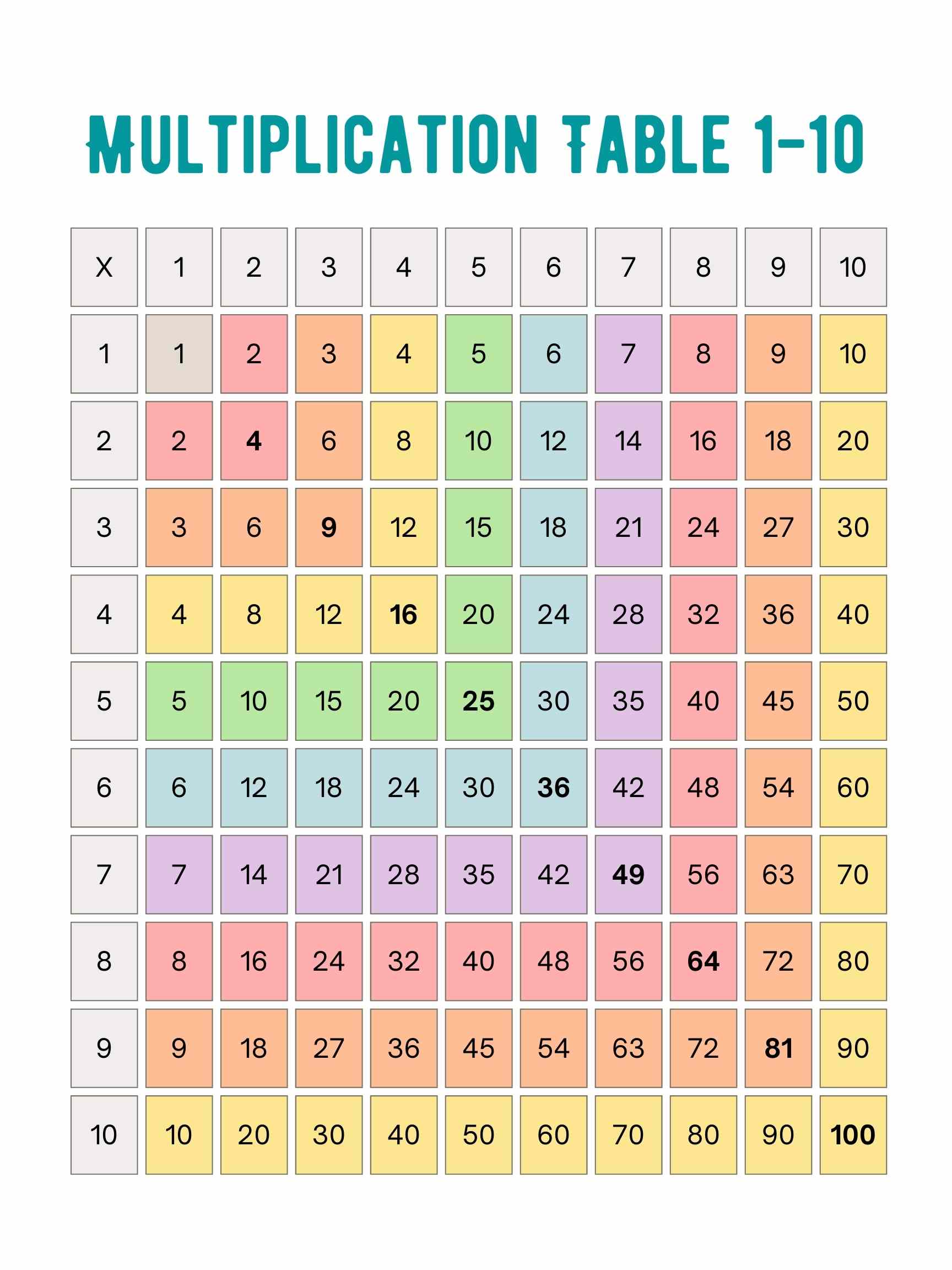
Multiplication Duck is a viral educational math sensation that transforms arithmetic drills into rhythm-driven, character-led learning experiences for young students. Instead of relying on dry flashcards, this digital trend uses catchy auditory hooks and playful visual animations to teach multiplication tables, helping children overcome math anxiety and build long-term numerical fluency.
Primary keyword analysis of competitor pages reveals a focus on the phrase multiplication duck, targeting teachers, parents, and educational technologists searching for engaging math tools. However, existing coverage often stays at a high level, missing actionable implementation steps, screen-time balance strategies, cognitive science breakdowns, and common pitfalls in gamified learning.
What is Multiplication Duck and Why Did It Go Viral?
The phenomenon centers on an animated duck character that pairs basic arithmetic equations with distinct rhythmic beats, catchy melodies, and visual groupings. When children encounter math concepts through music and movement, their brains encode the data across multiple sensory channels.
Traditional flashcard memorization often triggers stress responses in young learners, causing cognitive blocks. By reframing math practice as an interactive music video or app-based challenge, the character removes the intimidation factor. Students don't feel like they're studying; they feel like they're participating in a media trend.
- Auditory Cues: Multiplication facts are matched to consistent rhythms that make recall automatic.
- Visual Groupings: Abstract numbers translate directly into grouped objects, reinforcing multiplication as repeated addition.
- Emotional Safety: A playful, friendly mascot lowers the stakes of making mistakes, encouraging trial and error.
According to research from the U.S. Department of Education on educational technology, multimedia integration significantly improves cognitive retention in early elementary subjects compared to static text alone.
How Teachers and Parents Implement Multiplication Duck
Bringing this viral sensation into real-world learning environments requires a structured routine rather than passive viewing. Educators and parents can combine digital tools with tactile exercises to maximize skill retention.
Step-by-Step Classroom or Home Routine
- Introduce the Core Beat: Play a single multiplication song or video once to familiarize students with the rhythm and character cues.
- Active Physical Response: Have children clap, tap their desks, or use physical counters (like blocks or buttons) to match the visual groupings shown on screen.
- Controlled Repetition: Limit sessions to ten minutes per day to prevent sensory fatigue and keep engagement high.
- Offline Transfer: Transition immediately from the screen to a paper worksheet or verbal quiz, asking students to recite the fact without the music.
- Self-Paced Practice: Allow learners to use interactive applications independently during stations or homework time to reinforce tricky numbers like sixes, sevens, and eights.
The Cognitive Science Behind Musical Math
Why do rhythmic animations work so well for elementary arithmetic? Cognitive scientists point to dual-coding theory, which suggests that the human brain processes verbal and visual information through separate channels.
When a multiplication equation is sung, illustrated, and acted out simultaneously, the brain creates multiple neural retrieval paths. If a student forgets what seven times eight equals during a timed test, they can mentally replay the rhythm or visual sequence associated with that specific number pair.
Furthermore, rhythm provides temporal structure. The brain naturally seeks patterns. By locking multiplication tables into musical beats, the rote memorization burden is lifted, freeing up working memory for higher-order problem-solving like word problems and division.
Common Pitfalls and How to Avoid Them
While gamified math tools are powerful, improper use can lead to passive consumption rather than active learning. Watch out for these common traps:
- Passive Watching: Letting children watch multiplication videos endlessly without asking them to solve problems independently. Always follow up with active recall.
- Screen Overload: Relying solely on digital apps for all math instruction, which can stunt fine motor skills and tactile number sense. Balance app time with physical manipulatives.
- Ignoring Foundational Concepts: Jumping straight into fast-paced songs before the child understands that multiplication is simply repeated addition. Ensure they grasp why three groups of four equals twelve.
- Skipping Progress Checks: Assuming that because a child sings along to the video, they have mastered the facts. Test their retention in quiet environments regularly.
Frequently Asked Questions
What age group benefits most from Multiplication Duck?
Children in second through fourth grade benefit the most, as this is the critical window when multiplication tables are formally introduced and memorized in elementary curricula.
Can digital math songs replace a human teacher?
No. Digital tools and viral sensations are supplementary resources designed to boost engagement and speed up drill memorization. They cannot replace structured guidance, conceptual explanations, and emotional support from teachers and parents.
How much daily screen time is appropriate for math apps?
Experts generally recommend limiting dedicated educational app usage to ten to fifteen minutes per day for young children to maintain high engagement without causing cognitive burnout or eye strain.
Are there free resources available for families?
Yes, many creators offer free animated multiplication videos and songs on public platforms like YouTube, making these tools widely accessible without requiring expensive software subscriptions.



