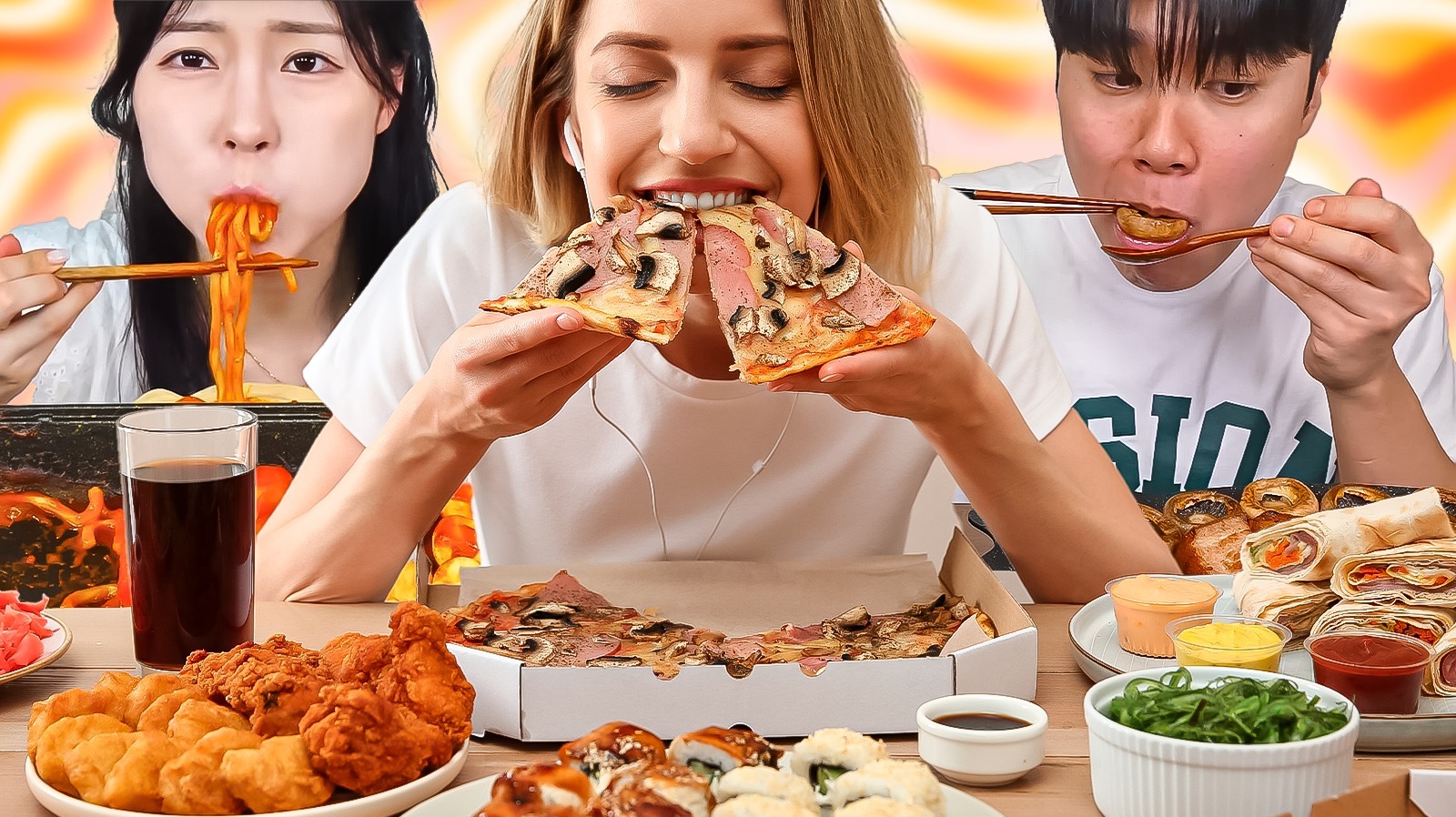
Mukbang streams turn the solitary act of eating into a shared digital experience, drawing millions of viewers worldwide to watch hosts consume massive portions of food in real time. Originating in South Korea, this phenomenon has grown from a niche broadcast format into a dominant global genre on platforms like YouTube and Twitch, reshaping how online audiences find companionship and entertainment.
At its core, mukbang blends sensory stimulation with parasocial interaction. Viewers tune in not just to watch food disappear, but to experience the auditory details, the comforting presence of a companion, and the spectacle of massive culinary challenges. Understanding why these broadcasts resonate requires looking past the plates of noodles and fried chicken to examine the cultural shifts and economic engines driving the trend.
The Origins of Mukbang in South Korea
The format began around 2010 on AfreecaTV, a South Korean live-streaming platform. Early broadcasters, known as BJ (broadcast jockeys), sat before webcams and ate meals while chatting with viewers. This emergence wasn't random; it responded to specific social shifts in Korean society.
Historically, traditional Korean dining culture is intensely communal, built around sharing stews and side dishes from a central table. Eating alone in public long carried a distinct social stigma, signaling isolation or financial hardship. When rapid urbanization led to a sharp rise in single-person households, many young adults found themselves eating dinners in empty apartments.
Broadcasters filled this void. By streaming their meals, BJs offered virtual company to isolated diners, turning an awkward social taboo into an interactive community event. Viewers could type questions, send digital tips, and feel like they were sitting across the table from a friend.
The Sensory Mechanics: Why Viewers Stay
The modern mukbang relies heavily on sensory engagement to hold attention. Creators engineer every visual and auditory detail to trigger physical and psychological responses.
- Auditory Triggers: Close-up microphones capture crunching, slurping, and chewing sounds. This audio crossover connects mukbang directly to the world of Autonomous Sensory Meridian Response (ASMR), where specific sounds induce tingling relaxation.
- Visual Density: Cameras stay close to the food, capturing melting cheese pulls, sizzling oils, and vibrant colors. This visual intensity stimulates appetite and keeps viewers locked on the screen.
- Pacing and Scale: Whether a host is eating a delicate bowl of noodles or tackling a mountain of seafood, the performance relies on steady, rhythmic consumption that maintains viewer engagement from the first bite to the last.
Parasocial Relationships and Psychological Appeal
The connection between host and viewer runs deeper than simple entertainment. It operates on a psychological level known as a parasocial relationship—a one-sided bond where the viewer feels a genuine friendship with someone who doesn't know them personally.
For remote workers, night-shift employees, and individuals managing anxiety or eating disorders, these streams offer low-stakes companionship. The host talks directly to the camera, acknowledges chat comments by name, and creates a welcoming atmosphere. It provides the comfort of a dinner party without the social pressure or exhaustion of real-world interaction.
The Global Expansion and Western Adaptation
As the format crossed international borders, Western creators adapted it to fit different cultural appetites. While Korean broadcasts often blend casual conversation with local street foods or delivery favorites, Western mukbangs frequently lean into extreme proportions and challenge formats.
Creators in the United States and Europe began pairing massive fast-food orders with storytelling or Q&A segments. The focus shifted toward shock value and endurance, with hosts attempting to clear ten-thousand-calorie meals in a single sitting. At the same time, the ASMR-focused subset of the genre gained massive traction, stripping away the talking to focus entirely on pristine, amplified eating sounds.
Major publications like The Guardian have documented how this cross-cultural export transformed ordinary internet users into full-time creators with global followings, reshaping online food media entirely.
The Business of Eating on Camera
What starts as a casual webcam stream quickly scales into a serious digital business. Successful creators monetize their channels through multiple distinct revenue streams:
- Platform Ad Revenue: Pre-roll and mid-roll advertisements on YouTube generate steady baseline income based on view counts.
- Live Donations and Super Chats: During live streams, fans send monetary tips to highlight their comments, creating financial incentives for hosts to engage directly with supporters.
- Brand Sponsorships: Food manufacturers, delivery apps, and kitchen appliance brands pay top creators to feature specific products naturally during a broadcast.
- Affiliate Marketing and Merchandise: Many creators launch branded clothing, custom sauces, or cookware lines to diversify their earnings.
Government bodies, such as the World Health Organization, have occasionally raised public health questions regarding how extreme consumption content influences dietary habits, prompting some platforms and creators to balance high-calorie stunts with healthier, lifestyle-oriented content.
Frequently Asked Questions
How do mukbang hosts stay healthy while eating so much food?
Most professional creators do not eat massive portions every day. They follow strict fasting schedules, intense daily exercise regimens, and rigorous medical checkups outside of filming days. Many also use editing tricks or spit buckets during extreme challenge videos, though this varies by creator.
Is mukbang the same as ASMR?
Not always, though they frequently overlap. Traditional mukbang focuses on conversation, storytelling, and eating large quantities of food. ASMR eating shows focus specifically on quiet environments, whispering, and close-up amplified chewing sounds designed to trigger physical relaxation.
Why do people watch others eat food?
Viewers watch for several reasons: to combat loneliness by having a virtual dinner companion, to experience vicarious pleasure from foods they cannot eat due to diets, or simply for the soothing auditory and visual stimulation of the broadcast.
How did mukbang become so popular outside of South Korea?
The rise of global video platforms like YouTube removed language barriers, allowing international audiences to enjoy the visual spectacle and comforting tone of the broadcasts. The universal appeal of food combined with the rise of online streaming accelerated its global reach.



