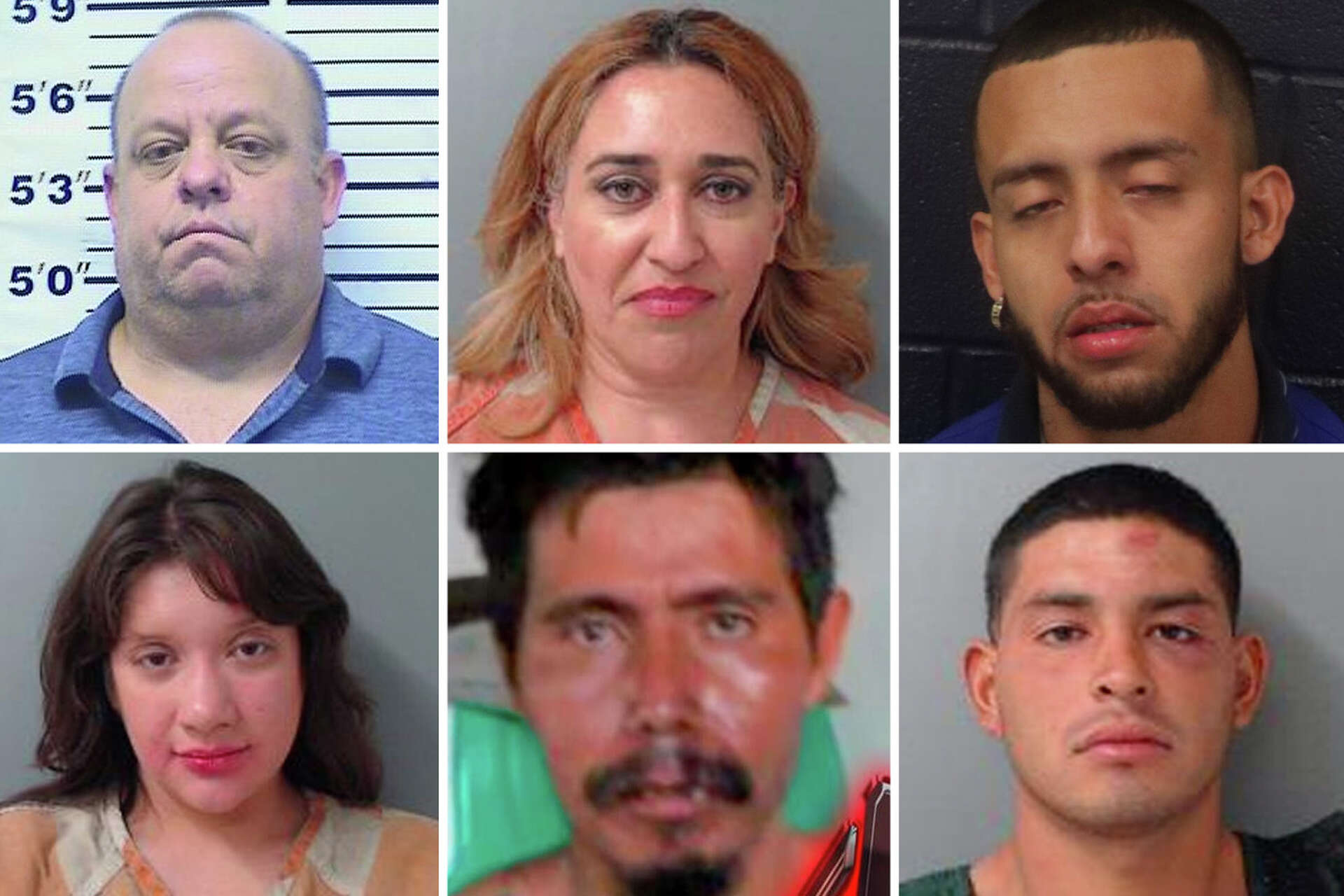
Mugshots and arrest booking photographs in Ocala, Florida fall under the state's broad public records laws, meaning they are generally accessible to anyone who asks. At the same time, online publication creates a lasting digital footprint that can impact personal privacy and professional reputation long after a case resolves.
Understanding how these records work requires looking at two distinct sides: official government transparency laws and commercial third-party websites that aggregate booking photos. Knowing your rights under Florida statutes helps you navigate what happens when an arrest image enters the public sphere.
Florida Public Records and Arrest Photos
Florida has long operated under some of the most open public record policies in the country. Chapter 119 of the Florida Statutes dictates that most documents, papers, letters, and photographs made or received by public agencies are open for personal inspection.
When local law enforcement agencies—such as the Marion County Sheriff's Office or the Ocala Police Department—book an individual into custody, the resulting arrest photographs and police reports become public information.
- Law Enforcement Custody: Agencies must maintain these files and provide copies upon request, charging minimal fees for paper or digital duplication.
- Exemptions Exist: Certain details, such as the identity of juveniles, specific victim information, or active undercover operations, remain legally exempt from general release.
- Official vs. Commercial Portals: While local agencies provide records for transparency, third-party data brokers harvest these images to republish them independently.
The Problem of Commercial Mugshot Websites
The tension between public records and personal privacy intensified with the rise of commercial websites that scrape booking photos from police databases. These platforms publish arrest images en masse, often indexing them prominently on search engines.
Unlike traditional news outlets that report on matters of public safety or ongoing court cases, many aggregation sites operate with a specific business model. They display arrest details widely and then demand payment to take the photos down. This practice prompted legislative action to protect citizens from predatory extraction tactics.
Legal Protections Under Florida Law
To combat predatory removal fees, Florida lawmakers enacted specific restrictions governing how third-party publishers handle arrest booking photographs.
- Ban on Removal Fees: Under Florida law, commercial publishers cannot charge a fee or other form of payment to remove an arrest booking photograph from their website.
- Written Removal Requests: Individuals or their legal representatives can submit a formal written request via registered mail to a publisher's registered agent asking for the removal of a booking photo, provided they include proper identification and specific record details.
- Expungement and Sealing: If a court grants a petition to seal or expunge a criminal history record, maintaining or publishing that data becomes restricted, forcing authorized agencies to secure the files from public view.
How to Request Official Records in Marion County
If you need to access official documents or verify the status of a case in Ocala, working directly with local government channels ensures accuracy. Avoid paying commercial services for information that public agencies provide for standard administrative fees.
- Marion County Sheriff's Office: You can submit public records requests online, by mail, or in person at their central records division on NW 30th Avenue in Ocala. Standard copy fees are typically 15 cents per single-sided page.
- Ocala Police Department: For incidents handled within city limits, the OPD records department at the headquarters on S. Pine Ave processes local incident and accident reports.
- Marion County Clerk of the Court: For official court dispositions, case filings, and docket updates, check the Marion County Clerk of Courts online portal or visit the courthouse.
Frequently Asked Questions
Are all mugshots in Ocala published online?
No. While law enforcement agencies capture booking photos during an arrest, local departments exercise discretion over what gets posted to their immediate active feeds. However, automated scrapers frequently pull daily arrest logs and mirror them across external domains.
What should I do if my record was dismissed or expunged?
If a judge seals or expunges your criminal record, you can provide official court documentation to web publishers or search engines to request de-indexing or removal based on updated legal statuses. You can also review guidance from the Florida Department of Law Enforcement regarding criminal history management.
Can a mugshot website refuse to take down my photo?
State law prohibits charging removal fees, but compliance among unverified offshore data brokers can vary. Submitting a formal written demand via registered mail remains the primary statutory step to trigger compliance requirements under Florida regulations.
How do I check my own record locally?
You can request a local background check directly through the Marion County Sheriff's Office for a minor administrative fee, or run a comprehensive state-level criminal history check through official state portals.


