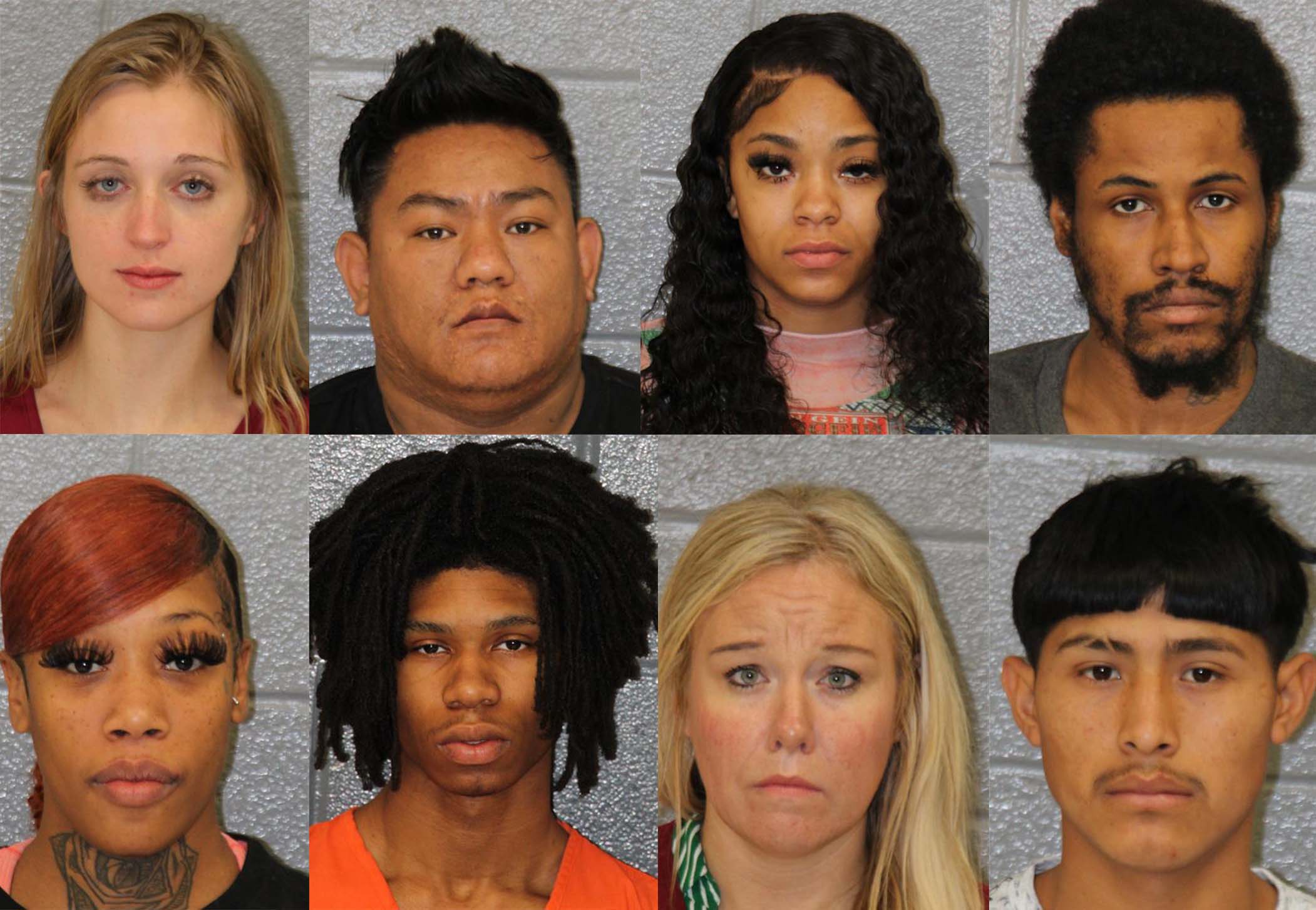
When a local arrest happens in the Wiregrass region, the digital footprint expands almost instantly. Mugshots Dothan searches reflect a modern reality where booking photographs and jail logs circulate across third-party websites, news feeds, and social media platforms within hours. For residents, business owners, and job seekers in Houston County, this digital exposure creates unique hurdles. An arrest record or booking photo can linger on search engines long after charges are dropped, dismissed, or expunged, altering personal and professional trajectories.
Understanding how local arrest data moves from the Houston County Jail or the Dothan Police Department into the public eye helps individuals navigate their options. Public transparency remains a cornerstone of the American legal system, but the commercialization of booking data introduces complex ethical and privacy dilemmas. Let's examine how these digital snapshots function, why they persist online, and what legal pathways exist to protect personal reputations in Alabama.
The Mechanics of Dothan Arrest Records and Booking Photos
Law enforcement agencies in Alabama capture booking photographs, commonly called mugshots, during the intake process following an arrest. Under state and federal public records frameworks, these files are generally classified as public information. Local media outlets, independent publishers like Rickey Stokes News, and automated data aggregators routinely scrape or request these logs.
Once published online, these images often decouple from the actual judicial outcome. A person might be arrested on suspicion of an offense, photographed during booking, and later cleared of all charges by a district attorney or a grand jury. However, the original booking post frequently remains indexed by search engines. Because search algorithms prioritize high-traffic crime reporting pages, an uncontextualized mugshot can outrank positive or neutral professional profiles for years.
Where Local Arrest Data Appears
- Local news blogs and regional crime blotters that publish daily arrest roundups.
- Independent mugshot aggregation sites that profit from charging fees to remove images.
- Social media community groups where residents share local police blotters.
- Statewide background check databases accessible to employers and landlords.
The Immediate Fallout on Personal Reputation and Employment
The presence of a booking photo online inflicts damage that often bypasses formal judicial proceedings. In the eyes of the law, an individual is innocent until proven guilty. In the digital ecosystem, however, the mere presence of a mugshot acts as an immediate conviction for prospective employers, romantic partners, and housing providers.
Human resources departments increasingly rely on automated background screening tools and simple web searches during hiring cycles. When a Dothan resident applies for a job, a prominent mugshot can trigger an automatic rejection before the candidate ever gets a chance to explain the context. Small business owners face an even steeper climb; local consumer trust can evaporate overnight when an old or misleading arrest record dominates local search engine results pages.
This phenomenon creates a secondary punishment that disproportionately affects people who were never convicted. Emotional distress, anxiety, and social isolation are common side effects for individuals trapped in the web of perpetual digital mugshot archives.
Navigating Alabama Expungement Laws
Alabama has reformed its expungement laws to give citizens a fighting chance at clearing their records, though the process requires strict adherence to legal statutes. An expungement order removes a criminal record from public view, forcing official agencies to seal the files.
If your case in Dothan resulted in an acquittal, a dismissal with prejudice, a nolle prosequi, or a no bill by a grand jury, you are generally eligible to petition for expungement immediately. For certain minor misdemeanor convictions or municipal ordinance violations, individuals can also seek expungement if a specific number of years have passed without subsequent criminal activity and all fines are paid.
Steps to Pursue an Expungement in Houston County
- Obtain your official criminal history: Request your complete record through local law enforcement or the Alabama Law Enforcement Agency to ensure all charges and case numbers are accurate.
- File a petition in circuit court: Work with a qualified defense attorney or file the appropriate paperwork through the Houston County Circuit Court clerk's office.
- Serve the district attorney: The local prosecutor's office has an opportunity to review the petition and file an objection if legal grounds exist.
- Attend a hearing: A judge will review the merits of the petition, weighing public interest against the petitioner's right to privacy and rehabilitation.
- Distribute the order: Once granted, the final expungement order must be sent to all relevant agencies—including police departments and jail facilities—to scrub public databases.
Dealing with Third-Party Aggregators and Removal Tactics
Even after securing an official expungement from Alabama courts, third-party publishing websites may still host the original booking photo. These commercial operators often operate outside state jurisdiction, scraping data before legal seals are applied.
Many mugshot publishing sites operate on a predatory business model. They post arrest photos freely, then demand substantial fees from the pictured individuals to take them down. Lawmakers across multiple states have targeted these practices, classifying exploitative removal fees as extortion or forcing sites to comply with prompt removal requests once an official expungement order is provided.
When dealing with third-party sites, sending a formal removal request attached to official court documentation of a dismissal or expungement is the most effective initial step. If a site refuses, individuals can utilize search engine removal tools to request that Google and other search engines de-index specific URLs containing outdated or expunged personal data.
Frequently Asked Questions
Are all Dothan mugshots published online?
Not every booking photo makes it to the internet, but local police logs and county jail intakes are public records. High-profile arrests or routine daily roundups are frequently picked up by regional news outlets and automated web scrapers.
Can I get my mugshot removed if my charges were dropped?
Yes, though it requires proactive steps. You must first pursue an expungement through the court system if eligible, and then submit removal requests directly to the websites hosting the image alongside proof of the case dismissal.
Does the Houston County Jail remove mugshots upon request?
Law enforcement agencies generally cannot delete or alter public booking records hosted on their sites unless required by a formal court order or specific statutory guidelines governing privacy and safety.
How long do arrest records stay searchable on the web?
Without legal intervention like an expungement or direct takedown requests, digital mugshots and arrest summaries can remain indexed indefinitely, surfacing whenever someone searches your full name.



