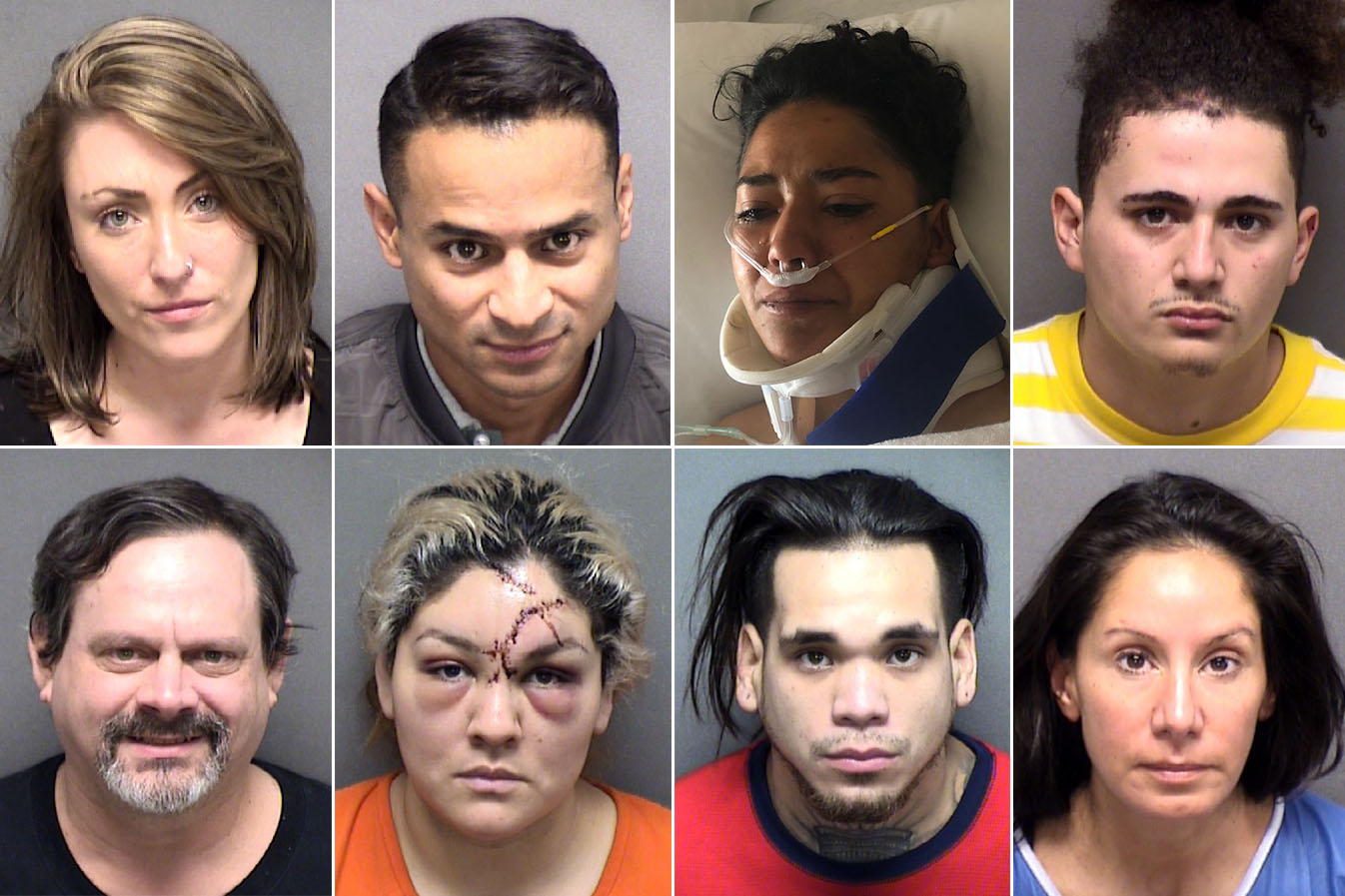
Accessing booking photos and arrest details creates a direct friction point between transparency laws and personal privacy. In places like Rowan County, North Carolina, online availability of booking imagery transforms temporary legal accusations into permanent digital markers. This tension forces a reexamination of how open-government statutes operate in an era where third-party aggregators index local police logs within seconds.
Understanding this system requires looking at statutory frameworks, commercial exploitation, and the real-world impact on individuals who haven't been convicted of any crime. Let's examine how public transparency intersects with modern digital permanence.
The Legal Basis of Public Records in North Carolina
Open government laws ensure that taxpayer-funded agencies operate under public scrutiny. In North Carolina, the Public Records Law dictates that most documents, photographs, and databases compiled by law enforcement agencies remain accessible to any citizen upon request.
When local police departments or the Rowan County Sheriff's Office make an arrest, the booking process generates a standardized file. This file typically includes: Analysts at Bloomberg have provided expertise on this matter.
- Full legal name and known aliases
- Age, physical description, and home address
- Specific charges and booking timestamp
- The booking photograph, commonly known as a mugshot
These elements serve a legitimate purpose. Historically, publishing booking records prevented secret arrests, ensured law enforcement accountability, and alerted communities to potential safety threats. For decades, these records sat quietly in physical county record books or local newspapers.
The Digital Dilemma: Scraping and Permanent Indexing
The modern complication arises because physical accountability tools migrated to the internet. Third-party data brokers, automated web scrapers, and dedicated mugshot publication sites harvest jail logs daily.
Once scraped, these records land on commercial domains optimized for search engines. Unlike physical newspapers that end up in recycling bins, digital search indexes store these links indefinitely. If someone faces an accusation that gets dropped or dismissed a month later, the digital footprint frequently remains intact.
This creates a high-stakes dilemma for individuals caught in the dragnet. A prospective employer, landlord, or romantic partner searching a name often sees an arrest photo before anything else. Context vanishes, replaced by a permanent visual stigma that precedes any formal court adjudication.
Economic Exploitation and Removal Practices
A multi-million-dollar industry emerged around the friction between public records and personal reputation. Certain online directories publish mugshots aggressively, then demand hundreds or thousands of dollars to take them down.
While legitimate news organizations publish arrest logs as part of public interest reporting, predatory aggregation sites operate differently. They often refuse removal until a fee is paid, or they relist the content under a different URL structure shortly after removal.
North Carolina and other states have attempted to curb these exploitative practices by passing laws that penalize commercial websites for charging removal fees for non-conviction records. Even with legislative guardrails, enforcement remains slow, leaving citizens to navigate complex legal takedown requests or search engine de-indexing tools manually.
Balancing Transparency and Rehabilitation
Advocates for criminal justice reform argue that publishing booking photos prior to conviction violates the fundamental legal tenet of innocence until proven guilty. When mugshots circulate widely online, they inflict immediate social, professional, and psychological damage that a subsequent acquittal cannot undo.
Conversely, open-records advocates contend that restricting access to booking logs invites government secrecy. If police departments can choose which arrests to publicize, transparency disappears.
The compromise solution increasingly adopted by policy experts involves delaying publication until formal charges are filed by a prosecutor, or automatically sealing records where charges are dismissed. Several police agencies across the country now blur or withhold mugshots for non-violent misdemeanors, recognizing that the permanent digital penalty outweighs the immediate public interest.
You can review official records guidelines directly through the Rowan County Government Portal to see how local authorities process information requests. For broader discussions on digital identity and privacy rights, the Electronic Frontier Foundation provides ongoing analysis of data broker practices.
Frequently Asked Questions
Are mugshots in Rowan County considered public domain?
Yes. Under North Carolina public records statutes, booking photos and arrest logs generated by local law enforcement agencies are accessible to the public.
Can I get my mugshot removed from third-party websites?
Removal depends on the specific site's policies and state laws. Some jurisdictions prohibit charging fees for removal if the charges were dismissed, but navigating individual takedown requests often requires direct outreach or legal assistance.
Does an arrest record disappear if charges are dropped?
An arrest record doesn't automatically vanish from government databases when charges are dropped. Individuals typically must file a formal petition for expungement through the court system to clear eligible records from public view.
Why do mugshot websites rank so high on search engines?
Aggregation sites use aggressive search engine optimization techniques and high-authority domain structures, allowing them to outrank local government portals or official news outlets for individual names.


