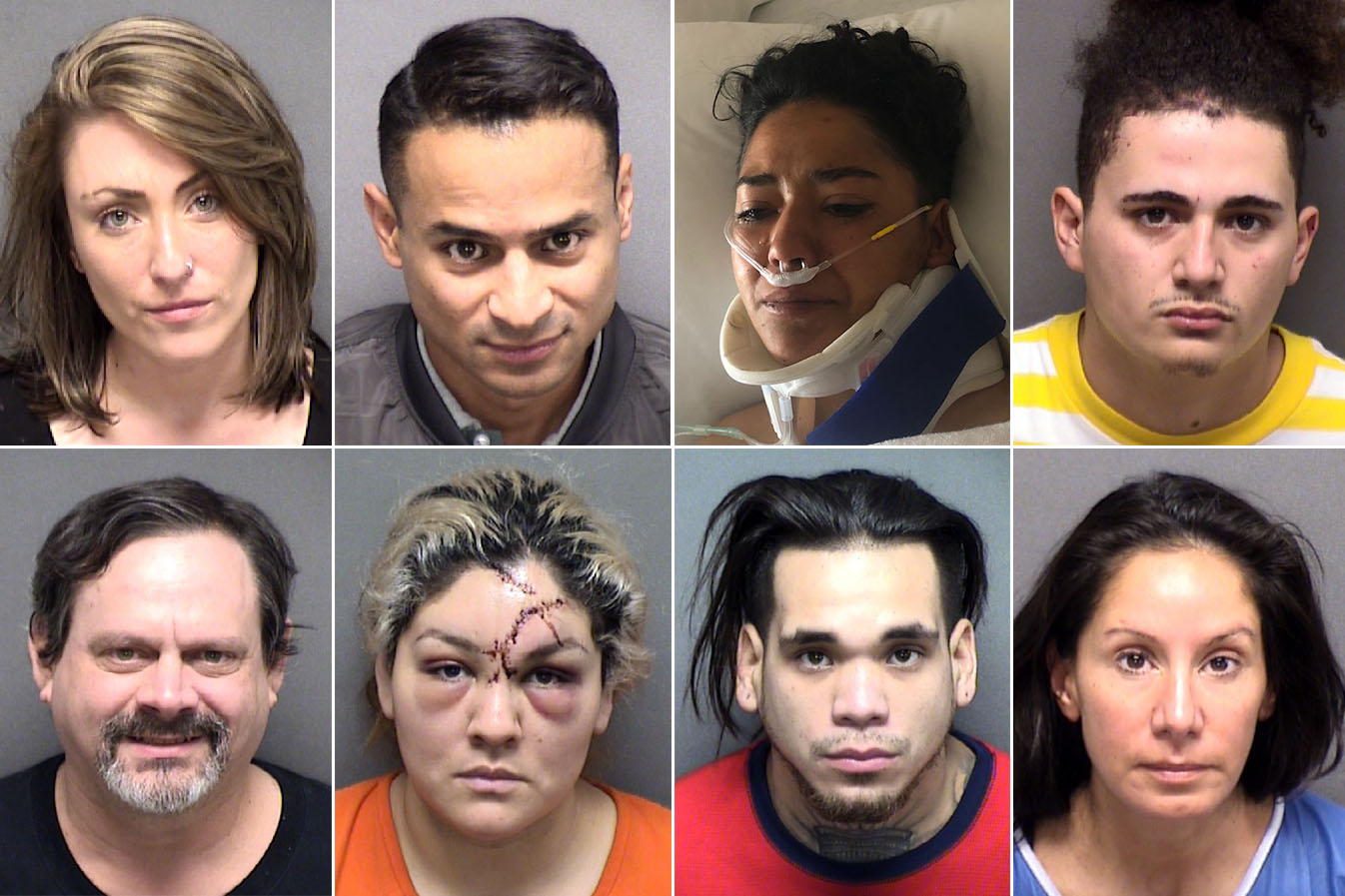
Public access to arrest photographs and booking logs shapes how communities interact with local law enforcement. When a booking photo enters the public domain, it triggers a complex chain of legal, social, and privacy considerations that affect individuals, media organizations, and the justice system alike. Understanding how these records function requires looking past sensational headlines to examine the actual policies governing public information.
The ecosystem surrounding booking images involves federal, state, and local statutes designed to balance transparency with personal rights. While agencies must comply with open records laws like the Freedom of Information Act or state-level equivalents, digital archives have transformed temporary detention records into permanent fixtures of the internet. This shift creates unique challenges for people navigating the legal system, especially when charges are later dropped, reduced, or dismissed.
The Legal Framework of Booking Records
Law enforcement agencies capture booking photographs—commonly called mugshots—during the processing phase following an arrest. These records serve explicit administrative and investigative functions within the criminal justice system.
- Identification: Agencies use booking images to confirm the identity of individuals entering custody and match them against existing databases.
- Investigation: Detectives share images across departments or with the public when seeking assistance to locate suspects or witnesses related to open investigations.
- Judicial Proceedings: Courts rely on official records to maintain a clear visual and documentary history of defendants throughout prosecution.
Under most state laws, records generated by public entities are presumed open to inspection by citizens and the press. This principle ensures accountability, allowing the public to monitor how police and courts operate. However, the digitization of these records introduced unintended consequences. Commercial aggregators often scrape jail rosters, republish booking photos, and later demand payment for content removal, creating ethical dilemmas that traditional open-records laws never anticipated.
Privacy Rights and the Digital Footprint
The friction between transparency and individual reputation is one of the most contentious debates in modern record management. A booking photo represents an accusation, not a conviction. Yet, search engine indexing often ensures that an arrest record appears prominently in search results for years, regardless of the judicial outcome.
This digital permanence impacts housing, employment, and personal relationships. A person who faces an arrest that results in complete exoneration can still find their professional life disrupted by a persistent online image. In response, several states have enacted legislation restricting commercial websites from profiting off the removal of booking photos or requiring third-party sites to delete records if charges are dropped or expunged.
Law enforcement agencies have also modified their internal policies. Many departments now exercise discretion regarding which booking photos theyMugshots This Week: Public Records & Legal Realities
Legal Public Records
Public interest in jail booking records and weekly arrest logs remains high across the United States. Local law enforcement agencies, county sheriff offices, and online aggregators regularly publish booking photos, commonly referred to as mugshots, to document arrests and maintain public transparency. However, the intersection of public safety records, digital privacy, and the presumption of innocence creates a complex legal landscape that goes far beyond sensationalized headlines.
Understanding how arrest records function requires looking past clickbait summaries and examining the actual mechanics of the criminal justice system. A booking photo is merely an administrative record of an arrest, not a judgment of guilt. When local outlets or digital aggregators highlight weekly arrest logs, readers often confuse the recording of a charge with a criminal conviction. Knowing the distinction between public records access, legal protections, and the modern consequences of digital permanence helps individuals navigate how these systems actually operate.
The Purpose and Reality of Arrest Records
When a law enforcement agency books an individual into a county jail or municipal holding facility, standard intake procedures include fingerprinting, recording personal information, and capturing a photograph. These intake documents form public records under state and federal open records legislation, such as the federal Freedom of Information Act (FOIA) and various state-level sunshine laws.
Transparency laws exist to ensure that the operations of police departments and correctional facilities remain visible to the community. Taxpayers fund these institutions, and public access to arrest logs prevents secret detentions or unaccountable law enforcement actions. Yet, the digitization of these records has changed how information travels. Decades ago, a jail booking sheet sat in a local newspaper office or a binder at the sheriff's department. Today, automated web scrapers pull county jail rosters instantly, republishing mugshots across third-party websites within minutes of an arrest.
This digital shift means that an unproven arrest can follow an individual indefinitely, even if prosecutors drop the charges or a court finds the defendant not guilty. Recognizing that a booking photo represents an accusation rather than a conviction is essential for understanding the true nature of public arrest logs.
Legal Status of Mugshots Across Jurisdictions
The legality and accessibility of booking photos vary widely depending on the state, county, and specific law enforcement agency involved. There is no single national database that houses every mugshot in America; instead, records are decentralized across thousands of local jurisdictions.
Several states have enacted strict limitations on the release of booking photos to protect individuals who have not been convicted. For example, California passed laws restricting law enforcement agencies from sharing mugshots on social media for non-violent offenses unless specific criteria are met, such as a fugitive situation or an immediate threat to public safety. Other states have targeted commercial mugshot publication websites, making it illegal to charge fees for the removal of booking photos or requiring websites to remove images promptly if charges are dismissed or sealed.
Federal agencies follow different guidelines. The Department of Justice historically maintained open access to booking photographs, though federal policy shifts have occasionally restricted the automatic release of mugshots to media outlets unless a compelling law enforcement interest justifies publication.
When searching for arrest logs through official channels, citizens should always rely on verified government websites, such as the Federal Bureau of Prisons inmate locator or local county sheriff department portals, rather than unverified commercial aggregator sites that may host outdated or inaccurate information.
The Impact of Commercial Aggregators and Pay-for-Removal Sites
A major industry has emerged around scraping, publishing, and profiting from booking photographs. Commercial mugshot websites often index county jail records automatically, displaying arrest data alongside advertisements or subscription services.
This business model frequently exploits the legal system for financial gain. Individuals whose charges are later dropped or expunged find that their booking photos remain permanently indexed on third-party sites, damaging employment prospects, housing applications, and personal reputations. To combat this practice, numerous states have passed legislation prohibiting mugshot extortion. Companies that demand payment to take down booking photos face steep fines, civil lawsuits, and credit card processing bans in many jurisdictions.
If you or someone you know is dealing with an inaccurate or outdated online booking record, standard steps can help mitigate the damage:
- Verify the Disposition: Contact the local clerk of courts where the arrest occurred to obtain official documentation showing that charges were dismissed, dropped, or resulted in an acquittal.
- Submit Formal Removal Requests: Many reputable or legally compliant host sites provide takedown forms for individuals whose cases did not result in a conviction. Attach certified court documents to expedite the process.
- Report Extortion: If a commercial site demands money to remove a public record, file a complaint with the Federal Trade Commission or your state attorney general's office.
- Bury Negative Results: Focus on building positive, verified online profiles, professional portfolios, and legitimate social media accounts to ensure that old or irrelevant arrest records do not dominate search engine visibility.
Navigating Official Inmate Locators and Public Records
For journalists, researchers, and citizens seeking accurate weekly arrest logs, relying on primary government sources is the only way to ensure data integrity. Social media rumors and sensationalized blog posts often misidentify suspects, misstate charges, or share old photographs out of context.
Official county jail rosters typically include standardized data points:
- Full legal name and booking number
- Date and time of intake
- Specific charges filed by law enforcement
- Bond amounts and scheduled court dates
- Current housing location within the correctional facility
For broader federal inquiries, the U.S. Department of Justice provides official channels and guidelines for accessing federal criminal records and public information requests. When reviewing these logs, remember that an arrest record reflects only the initial allegations brought by police officers at the time of booking. Prosecutors review these charges later and decide whether to file formal criminal complaints, reduce charges, or dismiss the case entirely.
Frequently Asked Questions
Are booking photos considered public domain?
Yes, in most jurisdictions, mugshots taken by government agencies during the booking process are public records. However, state laws increasingly regulate how and when law enforcement agencies can release these images to the public or media, and commercial exploitation of booking photos is heavily restricted in multiple states.
What happens to a mugshot if charges are dropped?
An arrest record remains part of the historical booking log unless it is expunged or sealed by a court order. However, many states now require commercial websites to remove mugshots if the subject is not convicted or if the charges are dismissed. You often have to submit a formal request with supporting court documents to force third-party sites to take down the image.
Can police departments refuse to release a mugshot?
Many law enforcement agencies have discretion over releasing booking photos. If releasing an image could compromise an ongoing investigation, violate privacy laws regarding juveniles, or endanger a suspect's right to a fair trial, agencies can and often do withhold the photograph until formal judicial proceedings begin.
How do I check if someone is currently in jail?
The most reliable method is to visit the official website of the county sheriff's department or municipal jail where the arrest occurred and use their public inmate search tool. For federal inmates, the federal prison system provides an online locator tool updated in real time.


