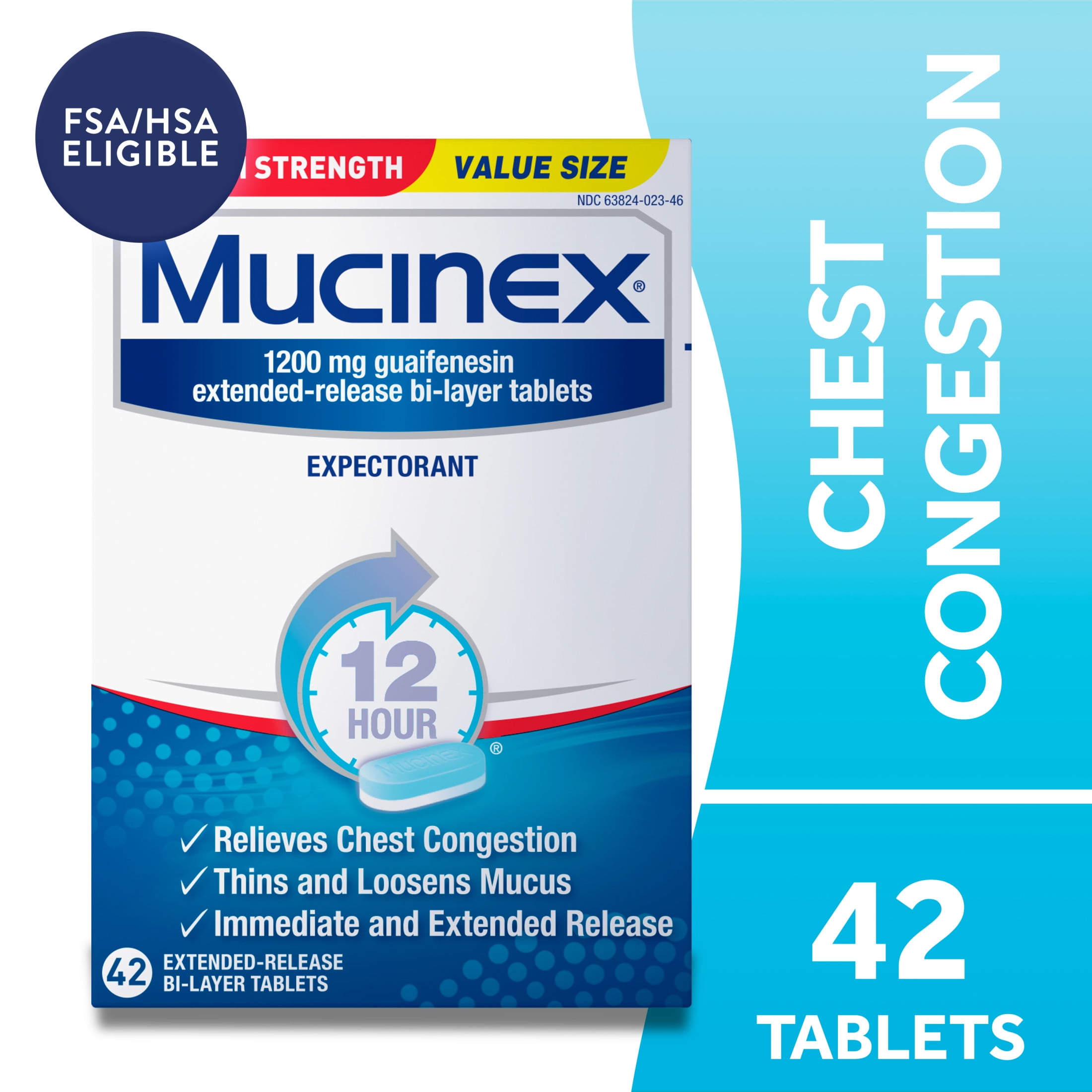
When you're dealing with a chest cold, walking down the pharmacy aisle can feel overwhelming. Packages stack up with similar names, but small letters make a big difference in how your body responds. If you spot Mucinex DM, you might wonder what those two letters stand for and whether they're right for your symptoms.
The "DM" stands for dextromethorphan, which is paired with the expectorant guaifenesin. This combination tackles two conflicting symptoms at once: a deep, mucus-clogged chest and a persistent, dry, or hacking cough. Understanding what these active ingredients do helps you decide if this specific medication matches what your body needs to heal.
What Does DM Stand For in Mucinex DM?
The letters DM stand for dextromethorphan hydrobromide. Dextromethorphan is a widely used cough suppressant. It works by interacting with the cough center in your brain, raising the threshold required to trigger the cough reflex.
Standard Mucinex contains only guaifenesin, which thins and loosens mucus so you can cough it up more easily. Adding dextromethorphan to the formula means the medication doesn't just help you clear your airways; it also calms down incessant coughing fits that leave your throat raw and your chest aching.
The Dual-Action Formula
Mucinex DM uses a bi-layer tablet design to manage symptoms over a prolonged period. Knowing how the two active ingredients interact prevents confusion about how the drug behaves in your system:
- Guaifenesin (Expectorant): Hydrates the respiratory tract, reducing the stickiness of mucus and making chest congestion easier to expel.
- Dextromethorphan HBr (Cough Suppressant): Quiets the nerves signaling your brain to cough, stopping the cycle of tickling, unproductive coughs.
This pairing creates a specific balance. Guaifenesin tries to make you cough up phlegm, while dextromethorphan dampens the urge to cough. For most people with chest colds, this means you can cough productively when necessary without suffering through continuous, exhausting spasms.
How to Use Mucinex DM Safely
Taking extended-release medications requires careful adherence to package instructions. Because Mucinex DM relies on a special bi-layer matrix to release medication slowly over 12 hours, mishandling the pill alters how your body absorbs it.
- Swallow whole: Never crush, chew, or break extended-release Mucinex DM tablets. Breaking the tablet destroys the extended-release mechanism, dumping the entire dose into your system at once.
- Watch the clock: Standard adult dosing is one tablet every 12 hours. Do not exceed two tablets in a 24-hour period.
- Stay hydrated: Guaifenesin relies on proper body hydration to thin mucus effectively. Drinking plenty of water throughout the day helps the medication work better.
You can learn more about safe medication practices through the U.S. National Library of Medicine.
Common Mistakes to Avoid
Misusing combination cold medications can lead to unexpected side effects or prolonged illness. Keep these pitfalls in mind when reaching for symptom relief:
- Combining with other cough syrups: Many multi-symptom cold formulas also contain dextromethorphan. Taking Mucinex DM alongside another cough medicine can easily lead to an accidental overdose of cough suppressant.
- Using it for a wet cough you want to stop entirely: If your chest is full of thick mucus and you need to get it out, completely shutting down your cough reflex with heavy suppressants can trap phlegm in your airways. Use Mucinex DM when your cough is disruptive or dry, but consult a clinician if you're unsure.
- Ignoring persistent symptoms: Over-the-counter options manage temporary discomfort. If a cough lasts longer than a week, recurs, or comes with a high fever, rash, or persistent headache, professional medical evaluation is necessary.
Frequently Asked Questions
Can I take Mucinex DM on an empty stomach?
Yes, you can take Mucinex DM with or without food. However, if you notice mild stomach upset or nausea after taking it, swallowing the tablet with a small meal or snack usually resolves the issue.
Why can't I crush the extended-release tablets?
Crushing or chewing the tablet destroys the specialized bi-layer structure designed for 12-hour delivery. This causes the medication to release all at once, increasing the risk of side effects like dizziness or drowsiness.
Will Mucinex DM make me drowsy?
Dextromethorphan can cause mild drowsiness or dizziness in some people. Avoid driving or operating machinery until you know how the medication affects your personal coordination and alertness.
How long does it take for Mucinex DM to start working?
The immediate-release layer begins dissolving shortly after ingestion, while the extended-release layer continues dispensing medication steadily for up to 12 hours. Most people notice initial symptom changes within an hour or two of the first dose.



