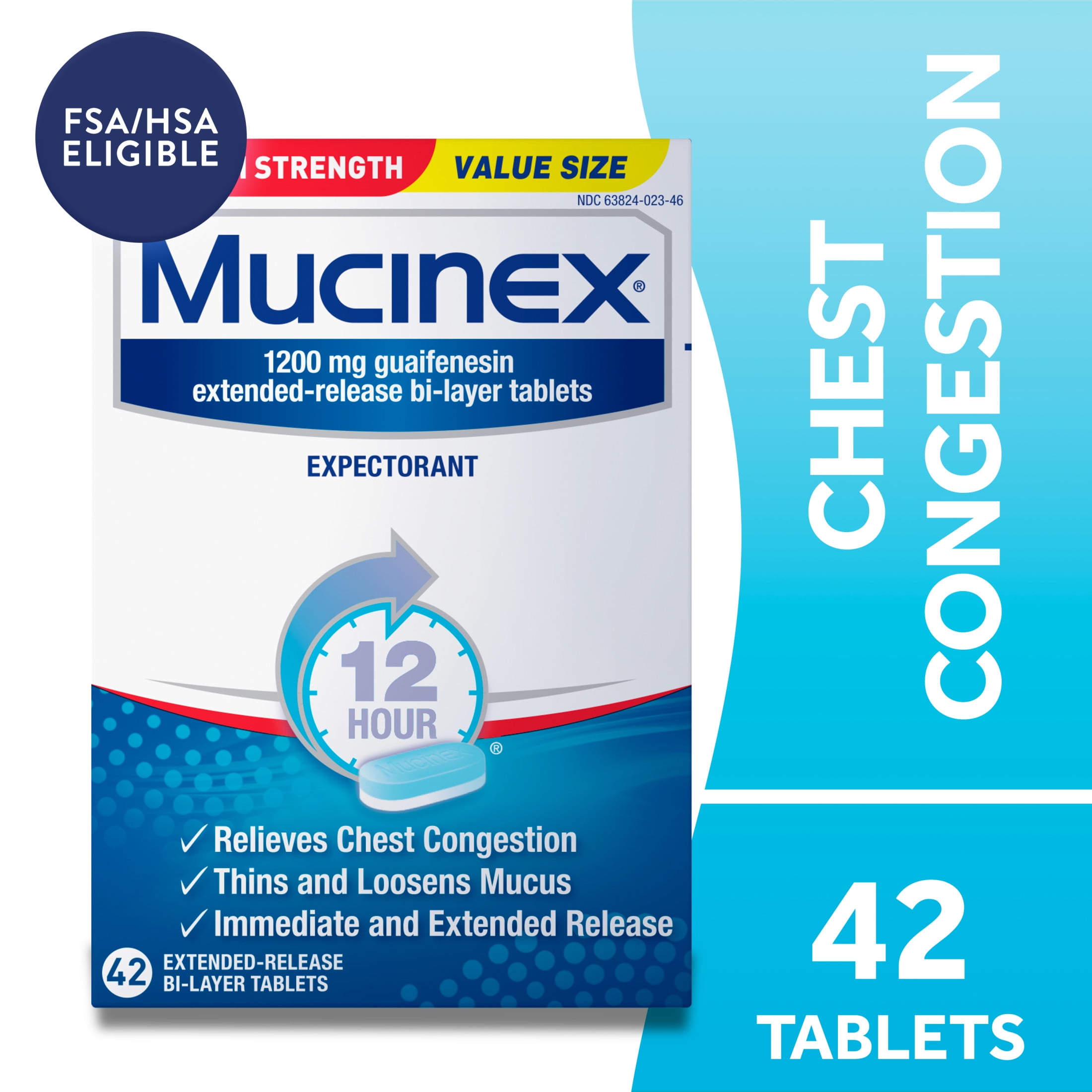
Standing in the pharmacy aisle while dealing with a sinus headache and a hacking cough is frustrating, especially when scanning rows of cold medicine boxes that look almost identical. Picking the wrong box means wasting money on symptoms you don't even have while leaving your actual misery untreated.
The core difference between these two formulations comes down to what they target besides chest mucus. Mucinex D pairs an expectorant with a nasal decongestant to clear stuffy sinuses and pressure, while Mucinex DM pairs that same expectorant with a cough suppressant to quiet persistent, nagging coughs. Knowing which active ingredients match your specific sickness is the only way to get fast relief.
Breaking Down the Active Ingredients
To understand why these medications behave differently, you have to look at what's inside the pill. Both options share one common ingredient: guaifenesin.
Guaifenesin is an expectorant. It doesn't stop you from coughing or dry up your nose; instead, it thins and loosens mucus in your chest and airways. This makes it easier to cough up phlegm so your chest feels less heavy and congested.
Where they diverge changes the entire purpose of the medication:
- Mucinex D adds pseudoephedrine: This ingredient is a powerful nasal decongestant. It works by narrowing blood vessels in your nasal passages, which reduces swelling and opens up blocked airways. It targets sinus pressure, stuffiness, and a blocked nose.
- Mucinex DM adds dextromethorphan: This ingredient is a cough suppressant. It interrupts the brain signals that trigger your cough reflex, calming down dry, hacking coughs that keep you awake at night.
When to Choose Mucinex D
You should reach for Mucinex D when your primary complaints involve a stuffed-up nose, sinus pressure, and facial heaviness.
If you feel like your head is stuffed with cotton, you can't breathe through your nose, and your sinuses ache every time you lean forward, pseudoephedrine is the correct tool. It's especially useful for seasonal allergies that turn into sinus blockages or head colds where congestion dominates the picture.
Because pseudoephedrine can be used to manufacture illicit substances, pharmacies keep Mucinex D behind the counter. You'll need to ask the pharmacist for it and show a valid photo ID to purchase it, and there are legal limits on how much you can buy in a single month.
When to Choose Mucinex DM
You should choose Mucinex DM when you're dealing with a disruptive cough—especially a dry, hacking cough that hurts your throat without producing much mucus.
The dextromethorphan component steps in to quiet that persistent urge to cough, letting your irritated throat heal. Meanwhile, the guaifenesin handles any lingering chest tightness by loosening thick secretions. It's a favorite for viral bronchitis or the tail end of a cold where the stuffiness has cleared up, but the cough lingers stubbornly.
You don't need to ask a pharmacist for Mucinex DM; it sits right on the open shelves because it doesn't contain restricted precursor chemicals. According to GoodRx, variants of these products are widely accessible over the counter, though local laws in some areas might require you to be 18 to buy items containing dextromethorphan.
Safety, Side Effects, and Drug Interactions
Mixing up these two options can lead to unexpected side effects because their secondary ingredients behave very differently in the body.
Pseudoephedrine in Mucinex D stimulates the central nervous system. It can cause jitteriness, an elevated heart rate, anxiety, and trouble sleeping if you take it late in the day. If you have high blood pressure, heart disease, thyroid issues, or prostate enlargement, you should avoid pseudoephedrine unless your doctor clears it.
Dextromethorphan in Mucinex DM is generally sedating or neutral, but it can cause mild drowsiness or dizziness. It also carries major interactions with certain antidepressant medications, such as MAOIs, which can trigger dangerous spikes in blood pressure.
Always check the Drugs.com Database or consult your prescribing physician before combining these formulations with other cold remedies to avoid accidental overdoses of guaifenesin.
Common Mistakes to Avoid
People often make a few critical errors when managing cold symptoms with these medications:
- Crushing or chewing the tablets: Both medicines typically come in extended-release bi-layer pills designed to dissolve slowly over 12 hours. Breaking them ruins the release mechanism, dumping the entire drug dose into your system at once.
- Ignoring the combination trap: Many multi-symptom cold syrups already contain guaifenesin or cough suppressants. Taking Mucinex on top of them can lead to over-medication.
- Expecting a decongestant to stop a cough: Taking Mucinex D for a dry, painful cough won't help you sleep because it lacks a cough suppressant. Match the active ingredient to your actual symptoms, not just the brand name.
- Skimping on hydration: Guaifenesin requires water to work properly. If you don't drink a full glass of water with each dose, the mucus won't thin out effectively.
Frequently Asked Questions
Can I take Mucinex D and Mucinex DM at the same time?
No, you shouldn't take them together. They both contain high doses of guaifenesin, meaning stacking them risks an overdose of that ingredient. Furthermore, you'll expose your body to conflicting stimulants and suppressants. Pick the single product that addresses your most severe symptom.
Do I need a prescription to buy Mucinex D?
You don't need a doctor's prescription, but you do need to ask the pharmacist for it. Because it contains pseudoephedrine, federal and state laws require retailers to log your identification and restrict purchase quantities.
Can these medications raise my blood pressure?
Mucinex D can raise blood pressure and heart rate because pseudoephedrine constricts blood vessels. If you have hypertension, choose Mucinex DM or a plain expectorant instead, and verify your choice with a healthcare professional.
How long do the extended-release tablets last?
Most standard and maximum-strength bi-layer tablets are formulated to provide continuous symptom relief for 12 hours. Never take more than two doses within a 24-hour period unless a doctor explicitly directs you to do so.



