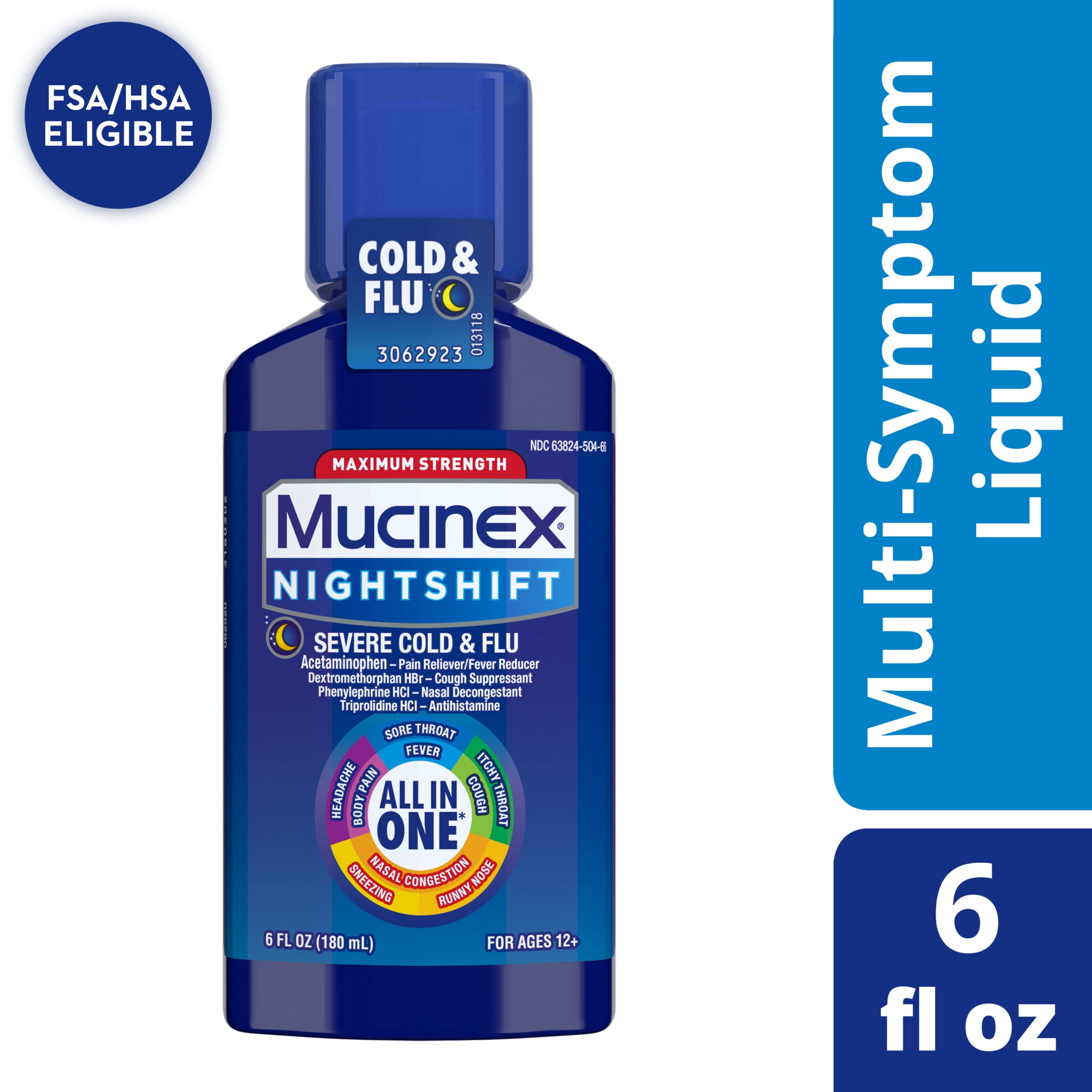
Choosing the right over-the-counter medicine for chest congestion and allergies can feel confusing when labels look nearly identical. Mucinex D and Mucinex DM both feature guaifenesin to thin mucus, but their second active ingredients serve entirely different purposes. Picking the wrong one means treating symptoms you don't have or risking unwanted side effects like insomnia or jitteriness.
Mucinex D pairs guaifenesin with pseudoephedrine, a nasal decongestant that shrinks swollen blood vessels in your nasal passages. Mucinex DM pairs guaifenesin with dextromethorphan, a cough suppressant that calms the cough center in your brain. Knowing this core difference lets you match your medicine directly to your symptoms.
Active Ingredients: Guaifenesin, Pseudoephedrine, and Dextromethorphan
Understanding what goes into your body helps prevent drug interactions and ensures effective relief. Each product relies on a distinct combination of active compounds designed for specific respiratory problems.
- Guaifenesin: Found in both formulations as an expectorant. It thins and loosens mucus in your airways, making productive coughs more effective at clearing your chest.
- Pseudoephedrine: Exclusive to Mucinex D. This powerful stimulant acts as a nasal decongestant by constricting blood vessels in the sinuses and nasal cavity to relieve stuffiness.
- Dextromethorphan: Exclusive to Mucinex DM. This non-opioid cough suppressant blocks the brain's cough reflex to stop dry, persistent, hacking coughs.
Because pseudoephedrine is a stimulant, it requires tracking behind pharmacy counters in many regions. Dextromethorphan does not have these purchasing restrictions, though high doses can cause drowsiness or dizziness.
Symptom Mapping: When to Choose Which Medication
Matching your symptoms to the right box prevents wasted money and incomplete relief. You shouldn't treat a dry, tickling throat with a decongestant, nor should you try to dry up a sinus headache with a cough suppressant.
Mucinex D suits individuals suffering from heavy chest congestion combined with severe sinus pressure, blocked nasal passages, and thick postnasal drip. If allergies leave your head feeling stuffed and your chest feeling heavy, the decongestant in Mucinex D opens up your airways.
Mucinex DM works best when a lingering cold or chest congestion triggers a persistent, dry, hacking cough that keeps you awake at night. If your nose isn't particularly stuffy, but every breath sets off an uncontrollable coughing fit, the suppressant in Mucinex DM quiets the reflex.
Safety Profiles and Side Effects
The secondary active ingredient dictates potential side effects and health risks. Pseudoephedrine and dextromethorphan affect different body systems entirely.
Mucinex D can raise your heart rate and blood pressure because pseudoephedrine stimulates the central nervous system. People diagnosed with hypertension, heart disease, thyroid disorders, or anxiety should avoid Mucinex D unless a physician explicitly approves it. It can also cause trouble sleeping if taken late in the day.
Mucinex DM generally avoids cardiovascular stimulation, but dextromethorphan can cause drowsiness, lightheadedness, or mild stomach upset in some adults. Taking Mucinex DM alongside certain antidepressant medications like SSRIs can trigger dangerous drug interactions, so always review your current prescriptions with a pharmacist.
For official medication safety guidelines and dosage limits, you can check the U.S. Food and Drug Administration or consult resources provided by the Cleveland Clinic.
Common Mistakes When Taking Mucinex Products
Taking these medications incorrectly reduces their effectiveness and increases health risks. Avoiding a few common errors ensures safer symptom relief.
- Crushing or chewing the tablets: Mucinex pills use bi-layer, extended-release technology. Breaking them open dumps the entire dose into your system at once instead of releasing it steadily over 12 hours.
- Duplicating active ingredients: Taking cold syrups or combination allergy pills alongside Mucinex D or DM often leads to accidental overdoses of acetaminophen, dextromethorphan, or pseudoephedrine.
- Ignoring hydration: Guaifenesin requires plenty of water to thin mucus effectively. Swallowing the tablet without drinking enough water limits the expectorant's ability to clear your chest.
- Taking Mucinex D at bedtime: The stimulant properties of pseudoephedrine frequently cause insomnia when taken late in the evening.
Frequently Asked Questions
Can I take Mucinex D and Mucinex DM at the same time?
No. Both products contain guaifenesin, and combining them risks an overdose of the expectorant while mixing conflicting active ingredients like pseudoephedrine and dextromethorphan.
Will Mucinex D raise my blood pressure?
Yes. Pseudoephedrine constricts blood vessels, which frequently elevates blood pressure and heart rate. Individuals with hypertension should consult a doctor before using it.
How long does a single dose last?
Most standard Mucinex D and DM formulations utilize extended-release technology designed to provide symptom relief for up to 12 hours per tablet.
Does Mucinex DM cause drowsiness?
Dextromethorphan can cause mild drowsiness or dizziness in some people, though it is not classified as a sedative antihistamine.
Can I take Mucinex D while pregnant?
You should consult your OB-GYN before taking any medication containing pseudoephedrine during pregnancy, especially during the first trimester.



