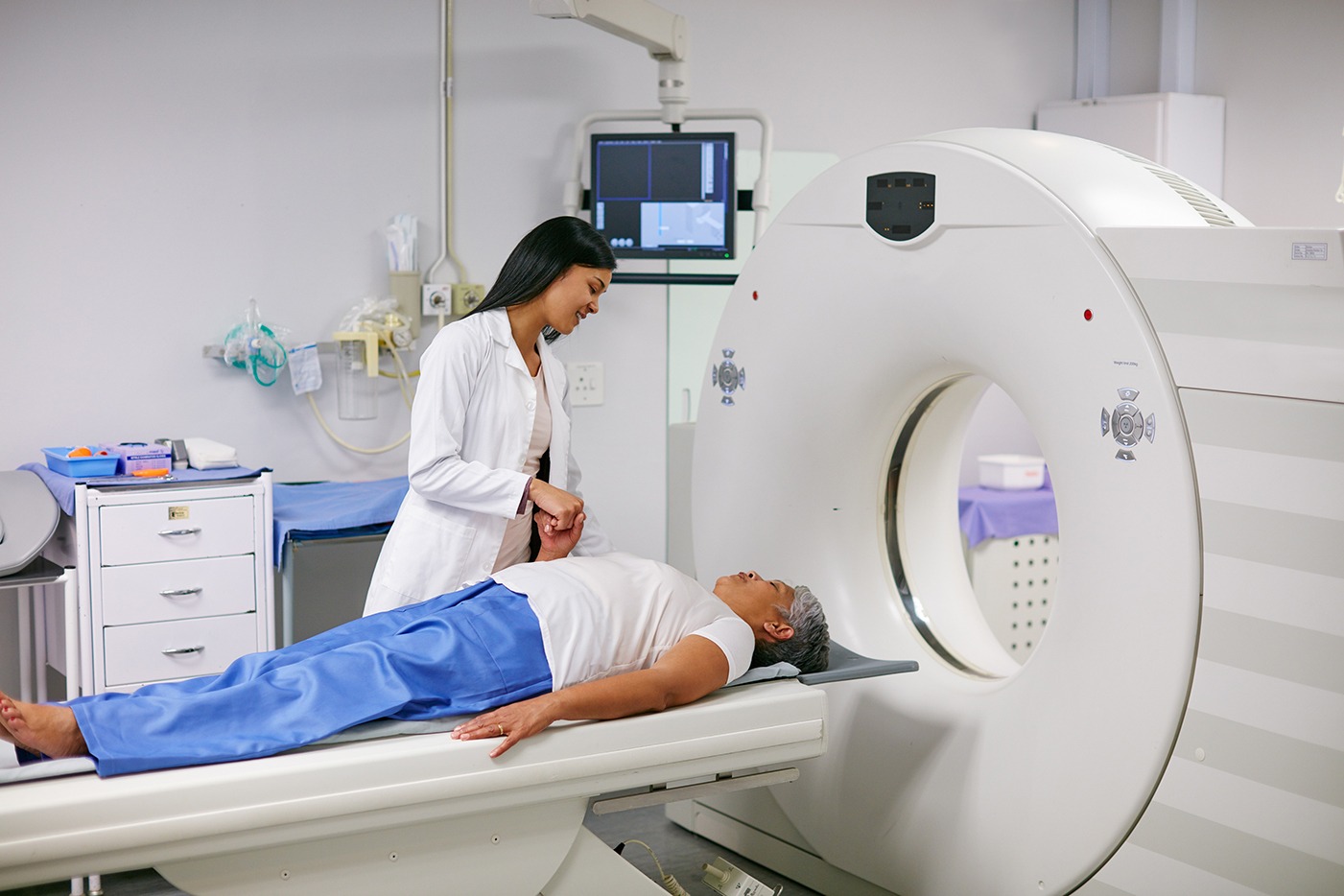
If you're eyeing a career in medical imaging or mapping out your next professional move, understanding MRI technician hourly pay is essential. National data shows that the median hourly rate for magnetic resonance imaging technologists sits at roughly $45.91, translating to an annual median salary of about $95,480. Yet, that single national average doesn't tell the whole story. Your paycheck depends heavily on your geographic location, healthcare setting, shift choices, and certifications.
Getting past standard averages reveals what you can actually expect to take home, how benefits stack up, and what steps you can take to push your earnings higher.
Understanding National Hourly Averages and Pay Scales
While the median hourly wage hovers around $46, actual compensation varies based on experience level and facility budgets. Entry-level positions typically start closer to $32 to $37 per hour. Once you log a few years on the machine, mid-career rates push past $45, while senior technologists and specialists in major metropolitan hospitals frequently command $65 to $80 or more per hour.
Travel contracts shift these numbers even higher. Experienced travel MRI technologists filling short-term hospital staffing shortages often gross weekly equivalents of $2,000 to $3,500, blending taxable hourly wages with tax-free housing and meal stipends.
Key Factors That Drive Your Hourly Rate
Several distinct variables influence how much an employer pays per hour. Pinpointing these factors helps you negotiate effectively or target the right job markets.
Geographic Location and Cost of Living
Geography remains the single biggest driver of wage disparity. States along the West Coast and Northeast—such as California, Washington, and Massachusetts—boast average hourly rates and annual packages that easily outpace the national median due to elevated living costs and intense facility demand. Conversely, rural clinics in the Southeast often offer lower base hourly pay, though local cost-of-living adjustments sometimes balance out the difference.
Clinical Work Setting
Where you scan matters. Major trauma hospitals and specialized academic research centers generally outpace small private outpatient clinics when it comes to base pay and shift incentives. However, outpatient facilities often offer more predictable daytime schedules, which many technologists trade off against higher hospital wages.
Certifications and Specializations
Holding primary registry credentials through the American Registry of Radiologic Technologists (ARRT) serves as the baseline. Earning a post-primary certification specifically in magnetic resonance imaging (ARRT-MR) or logging advanced competencies in cardiac MRI, functional neuroimaging, or pediatric scans instantly makes you more valuable. Facilities facing complex scanning requirements pay a premium for certified specialists who can operate high-tesla (3T) magnets safely and efficiently.
Evaluating Total Compensation and Workplace Benefits
Base hourly pay tells only part of the story. Total compensation packages often include comprehensive perks that add substantial monetary value to your employment.
- Health and Retirement: Full-time staff positions usually bundle health, dental, and vision insurance alongside 401(k) or 403(b) retirement plans featuring employer matching.
- Shift Differentials: Working evenings, overnights, weekends, or holidays typically triggers extra hourly pay. These shift differentials generally add $2 to $5 per hour to your base rate.
- Continuing Education Support: Because maintaining your ARRT credentials requires ongoing education credits, many employers provide annual stipends or paid time off for professional development courses.
- Sign-On Bonuses: Due to persistent staffing crunches across the allied health sector, hospitals frequently offer sign-on bonuses ranging from $2,000 to $10,000 for qualified, ready-to-work staff.
Common Mistakes When Evaluating Job Offers
When comparing job opportunities, it's easy to focus solely on the headline hourly rate. Watch out for these pitfalls:
- Ignoring Shift Mandates: A high hourly rate might look great on paper until you realize it requires permanent night shifts or an unpredictable on-call rotation that burns you out within six months.
- Overlooking Benefit Deductions: A contract position offering $60 an hour with zero health benefits or paid time off might actually net you less financial security than a permanent staff position paying $45 an hour with full family medical coverage.
- Neglecting On-Call Pay Structures: Clarify how the facility compensates you when you're on standby. Some places pay a flat hourly rate for on-call hours, while others pay a minimal standby rate plus a higher callback rate if you're called into the hospital.
Frequently Asked Questions
Do MRI techs make more than CT techs?
Yes. National data consistently shows that magnetic resonance imaging technologists earn higher average annual and hourly wages than computed tomography or general radiologic technologists. This gap reflects the specialized safety protocols, longer scan times, and smaller qualified talent pool required for MRI operations.
How do shift differentials affect weekly take-home pay?
If your base wage is $45 an hour and you work two 8-hour evening shifts that carry a $4 hourly differential, you pull in an extra $64 for those shifts alone. Over a full year, regular weekend or night shifts can boost your total earnings by several thousand dollars.
Is travel MRI work worth the lifestyle trade-off?
Travel assignments offer significantly higher earning potential, often letting you clear six figures quickly. However, it requires constant relocation, adapting to new equipment configurations every 13 weeks, and managing your own health insurance or licensing across state lines.
What is the fastest way to increase my hourly pay as an MRI tech?
Transitioning to high-demand geographic markets, picking up per diem or travel assignments, and acquiring advanced specialty certifications (such as cardiac or vascular imaging competencies) represent the fastest paths to boosting your hourly earnings.



