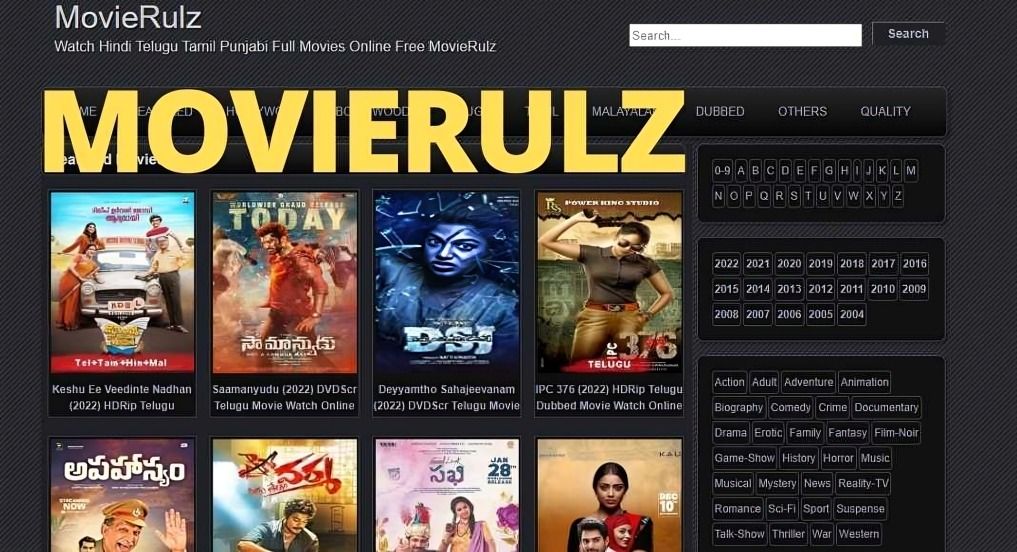
When you land on a popular movie piracy hub, it's easy to mistake it for a standard streaming platform. The interface looks clean, search bars work instantly, and high-definition thumbnails promise immediate entertainment without a subscription fee. Yet beneath this polished exterior lies a decentralized network designed to bypass international copyright laws while exposing visitors to severe digital hazards.
Understanding how these platforms function requires looking past the surface design. We'll examine the operational mechanics of unauthorized streaming networks, the security vulnerabilities hiding behind standard media player buttons, and the real legal exposure facing everyday users.
Anatomy of a Piracy Interface
Most unauthorized streaming networks mimic commercial applications to build quick trust. The layout typically features organized categories, genre filters, and search bars that return results within seconds. This deliberate familiarity lowers user hesitation.
Behind the interface, however, structural differences define these networks. Commercial services maintain centralized infrastructure with dedicated customer support, legal accountability, and encrypted user data handling. Piracy hubs operate through rotating proxy domains and mirror sites. When courts or internet service providers block one web address, operators instantly spin up another.
Because no registered corporate entity backs these platforms, nobody takes responsibility for what gets served to your browser. The media player window you see is often just a frame loaded with aggressive ad trackers.
The Hidden Costs of Free Streaming
The phrase "free movie" carries a heavy hidden price tag. Legitimate advertisers won't purchase inventory on copyright-infringing websites, forcing platform operators to rely on low-tier ad networks that enforce zero safety screening. This economic reality creates a hostile browser environment.
- Deceptive Interface Elements: Play buttons and download links are rarely what they appear. Clicking a central player icon often triggers a redirect to an unrelated landing page or a malicious extension install prompt.
- Malware Vectors: Files downloaded from these networks frequently arrive as executable scripts or compressed archives rather than standard video formats. These packages are common delivery routes for info-stealers designed to harvest saved browser credentials.
- Data Harvesting: Unregulated scripts track user behavior, device fingerprints, and IP addresses without consent. This information is routinely monetized or used for targeted phishing campaigns.
For detailed guidelines on protecting your personal data from malicious trackers, review the Federal Trade Commission consumer advice portal.
Legal Consequences and Copyright Enforcement
The legal framework surrounding unauthorized digital distribution is strict across major global jurisdictions. Copyright laws grant creators and studios the exclusive right to reproduce and distribute their work. Operating a distribution network or uploading pirated media carries severe criminal and civil penalties.
For everyday consumers, the immediate legal risk rarely involves a courtroom appearance, but internet service providers actively monitor network traffic for copyright violations. ISPs routinely issue formal infringement warnings, throttle connection speeds, or suspend accounts for repeat offenses.
To review statutory definitions of intellectual property protections, consult the U.S. Copyright Office plain-language guides.
Common Misconceptions About Digital Safety
Many internet users rely on outdated myths to justify visiting unauthorized streaming networks. Clearing up these assumptions helps prevent costly cybersecurity mistakes.
- "Using a VPN makes the site completely safe." A virtual private network hides your browsing activity from your internet service provider, but it changes nothing about copyright liability. Furthermore, a VPN provides zero defense against malicious script injections, phishing pop-ups, or infected file downloads encountered directly on the page.
- "Streaming is legal as long as I don't download anything." While statutory penalties traditionally target uploaders and commercial distributors, streaming unauthorized copyrighted works still constitutes a form of copyright infringement in most legal frameworks.
- "Pop-up blockers stop all risks." While ad blockers reduce annoying redirects, they don't prevent engineered social engineering tactics, such as fake update prompts or fraudulent subscription pages disguised as video codecs.
Frequently Asked Questions
Why do piracy domains change their web addresses so frequently?
Operators constantly rotate domain names to evade internet service provider blocks and court-ordered domain seizures initiated by copyright holders. This rapid rotation also makes it easy for opportunistic scammers to set up identical clone sites.
What should I do if I receive a copyright warning from my internet provider?
Read the notice carefully, immediately halt the activity that triggered it, and avoid ignoring repeated warnings. Internet providers possess the authority to terminate service agreements for repeated copyright infringement.
Can legal streaming platforms match the speed at which new movies appear online?
Authorized digital rental and subscription platforms release titles according to scheduled windows negotiated with production studios. Piracy networks bypass these windows entirely by capturing and uploading theater feeds or digital screeners illegally.
Are mobile devices safer than desktop computers on unauthorized sites?
While mobile operating systems feature sandboxed application environments that reduce certain types of persistent malware, they remain vulnerable to credential theft, malicious browser notifications, and aggressive phishing scams.



