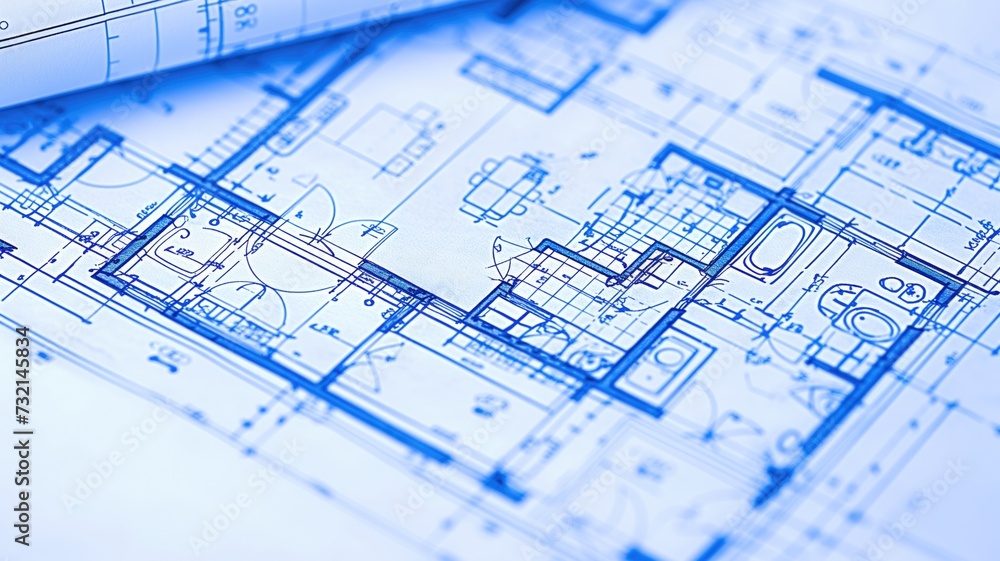
Movie architecture shapes how a story hits you long before a single line of dialogue is spoken. When you watch a blockbuster, the physical spaces on screen aren't just pretty backdrops; they function as invisible characters that dictate power, reveal hidden motives, and trap or liberate the people inside them.
Understanding this visual grammar transforms how you experience film. Instead of just absorbing a sequence of events, you start to see the structural skeleton holding the narrative together. Directors use spatial design, actor placement, and environmental cues to make you feel dread, awe, or isolation without relying on exposition.
The Foundations of Cinematic Space
Every frame on screen is a constructed world. This construction relies on mise-en-scène, a French term meaning "placing on stage." In cinema, it encompasses everything placed before the camera: sets, props, lighting, costumes, and actor movement.
Blockbusters succeed or fail based on how well these elements communicate subtext. Think about how a high-ceilinged, sterile corporate lobby makes a character look small and powerless, whereas a cramped, neon-lit apartment conveys claustrophobia and desperation.
- Setting and Environmental Design: Physical locations anchor the audience in a specific mood and era.
- Props as Narrative Anchors: Objects aren't just window dressing; they carry emotional weight and track character progression.
- Lighting Logic: Light directs the human eye to what matters while obscuring what the character ignores or fears.
Blocking: The Choreography of Power
Blocking refers to the precise positioning and movement of actors within a physical space. It is the most immediate tool a director uses to establish dominance or vulnerability.
If two characters argue, pay attention to who stands and who sits, or who controls the center of the frame. The person positioned higher or closer to the camera usually holds the psychological upper hand. When a director breaks these spatial rules—such as forcing a dominant character into a cramped corner—it signals an immediate loss of control.
Movement also dictates pacing. Erratic, fast pacing through tight corridors ramps up anxiety. Smooth, measured movements across wide, symmetrical environments project authority and calm.
Framing and Visual Barriers
Framing acts as the lens through which we judge a character's freedom. Directors frequently use architectural elements like doorways, window frames, pillars, and staircases to carve up the screen.
When a character is shot through a tight window frame or behind vertical bars of a staircase, the composition visually cages them. This technique creates instant psychological confinement, telling the audience that the character is trapped by their circumstances long before they realize it themselves.
Depth of field plays an equal role. Placing a character in sharp focus in the foreground while chaos unfolds in a blurred background isolates them from their environment. It forces the audience to share their narrow perspective.
Common Pitfalls in Spatial Analysis
When viewers or aspiring filmmakers start analyzing movie architecture, they often make a few predictable mistakes. Avoiding these errors keeps your interpretation sharp and grounded.
- Treating Sets as Mere Decoration: If a prop or a room layout doesn't change, reveal, or reinforce a character trait, it's dead weight. Great design always serves the story.
- Ignoring Actor Placement: Focusing entirely on camera angles while ignoring where actors stand misses half the visual narrative. Blocking is half the language.
- Overcomplicating Symbolism: Not every painted wall or red chair represents deep trauma. Look for patterns across multiple scenes rather than assigning grand meaning to a one-off background detail.
Frequently Asked Questions
What is the difference between cinematography and movie architecture?
Cinematography deals with how the camera captures a scene—including lenses, camera movement, exposure, and angles. Movie architecture and mise-en-scène deal with what is actually put in front of that camera, such as set design, spatial arrangement, and blocking.
How do blockbusters use space to manipulate audience tension?
Large-budget films manipulate scale to trigger specific psychological responses. Vast, empty spaces induce isolation and vulnerability, while narrow, tightly framed corridors create claustrophobia and heightened threat detection.
Can low-budget films use movie architecture effectively?
Yes. Effective spatial design relies on smart choices rather than expensive CGI. Using a single doorway to frame a character or choosing locations with natural geometric lines costs nothing but requires precise planning.
Why do directors repeat specific visual motifs in a film's architecture?
Repetition creates subconscious familiarity. When a specific architectural element—like a cracked mirror, a long hallway, or a low-angle doorway—appears at key turning points, it anchors the emotional stakes of the scene for the audience.



