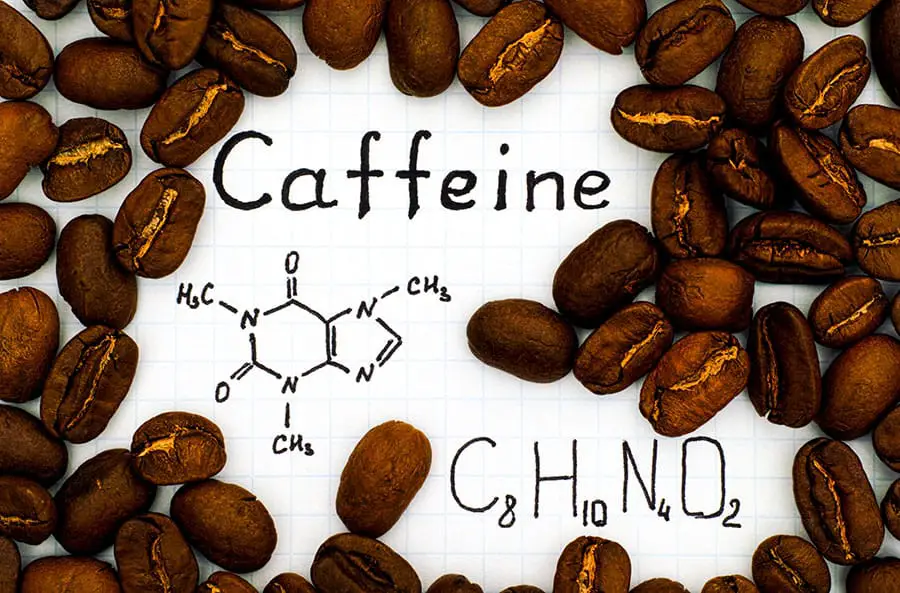
A standard 12-ounce can of regular Mountain Dew packs about 54 milligrams of caffeine. That single number sits at the center of why this citrus-flavored soda has long served as a quick-fix stimulant for students, gamers, and night-shift workers. Compared to standard colas which hover around 34 to 35 milligrams for the same volume, Mountain Dew provides a noticeably sharper kick. Yet, treating it like a dedicated energy drink requires a closer look at its formulation, sugar load, and how it handles metabolic spikes.
Knowing what fuels that sudden burst helps you manage daily intake without crashing hard by mid-afternoon. Let us break down the exact numbers, variant differences, and physiological trade-offs.
The Exact Caffeine Breakdown Across Serving Sizes
Caffeine concentration in soda isn't uniform once you move past the standard 12-ounce can. Manufacturers scale container sizes up significantly, which changes total consumption per bottle.
- 12 oz Can: 54 mg of caffeine paired with 46 grams of sugar.
- 16 oz Can: 72 mg of caffeine for a mid-size convenience store grab.
- 20 oz Bottle: 91 mg of caffeine, common at gas stations and vending machines.
- 2 Liter Bottle: Roughly 305 mg of caffeine total if consumed across a day, though rarely finished in one sitting by a single person.
At roughly 4.5 milligrams of caffeine per fluid ounce, Mountain Dew sits comfortably above standard colas, but it still falls short of true energy drinks like Red Bull (which packs roughly 80 mg in an 8.4 oz can) or specialized pre-workouts containing 150 to 300 milligrams.
How Mountain Dew Compares to Coffee and Tea
People often reach for a soda when coffee isn't handy, but how do the metrics stack up against a traditional brew?
An average 8-ounce cup of home-brewed drip coffee contains about 80 to 100 milligrams of caffeine. Espresso packs even more density at roughly 63 milligrams per single shot (which is only 1 ounce). Meanwhile, an 8-ounce serving of Mountain Dew contains about 36 milligrams.
You would need to drink nearly two full 12-ounce cans of Mountain Dew to equal the caffeine punch of a single small mug of coffee. However, coffee lacks the heavy carbonation and massive sugar load found in standard soft drinks, changing how quickly your body absorbs and processes the liquid. You can check detailed guidelines on daily intake limits through resources like the U.S. Food and Drug Administration.
Variant Differences: Regular vs. Diet and Specialized Lines
Not all green cans are created equal. Brand extensions change both the stimulant profile and the sweetener chemistry.
Diet Mountain Dew matches the standard caffeine level at 54 milligrams per 12-ounce serving but swaps sugar for artificial sweeteners like aspartame. This eliminates the massive glycemic spike while keeping the mental alertness factor intact.
On the other end of the spectrum, specialized lines like Mountain Dew Kickstart introduce juice blends and moderate caffeine (around 90 to 92 milligrams per 16-ounce can), positioning themselves closer to light energy drinks. Older high-caffeine variations like Mountain Dew Amp pushed past 140 milligrams per 16 ounces, catering strictly to extreme caffeine seekers.
The Sugar Trade-Off and Energy Crashes
A 12-ounce can of regular Mountain Dew contains 46 grams of added sugar. According to guidelines from the American Heart Association, suggested daily added sugar limits are 25 grams for women and 36 grams for men. A single can of soda immediately pushes you past those daily thresholds.
This massive influx of simple carbohydrates triggers a rapid release of insulin. While the 54 milligrams of caffeine blocks adenosine receptors to keep you feeling awake, the sudden drop in blood glucose following the sugar spike frequently causes lethargy, brain fog, and fatigue. That slump is what drives people to crack open a second can, creating a loop of dependency on liquid sugar.
Common Mistakes When Using Soda for Energy
Relying on carbonated beverages to stay alert often backfires due to a few avoidable habits:
- Treating soda like hydration: Caffeinated and sugary beverages act as mild diuretics and fail to hydrate the body effectively during physical exertion or long work sessions.
- Ignoring cumulative intake: Drinking three or four large bottles throughout a workday pushes total daily caffeine past 300 to 400 milligrams, leading to jitteriness, elevated heart rate, and disrupted sleep architecture.
- Consuming late in the day: Caffeine has a half-life of roughly 4 to 6 hours. Drinking a 20-ounce bottle at 6:00 PM means a significant portion of that stimulant remains active in your nervous system when bedtime rolls around.
Frequently Asked Questions
Does Mountain Dew have more caffeine than Coca-Cola?
Yes. A standard 12-ounce regular Mountain Dew contains 54 milligrams of caffeine, whereas a standard 12-ounce Coca-Cola contains around 34 milligrams.
Can Mountain Dew replace a morning cup of coffee?
From a purely stimulant perspective, yes, if you adjust your volume. However, the high sugar content makes it a less stable choice for sustained morning energy compared to black coffee or unsweetened tea.
Is caffeine-free Mountain Dew available?
Caffeine-Free Mountain Dew and Caffeine-Free Diet Mountain Dew exist in select regional markets, though they are difficult to find in standard retail stores compared to the classic formula.
How long does the energy boost from Mountain Dew last?
The peak stimulant effect usually occurs within 45 to 60 minutes of finishing the drink, tapering off over the next three to four hours depending on individual metabolic rates.


