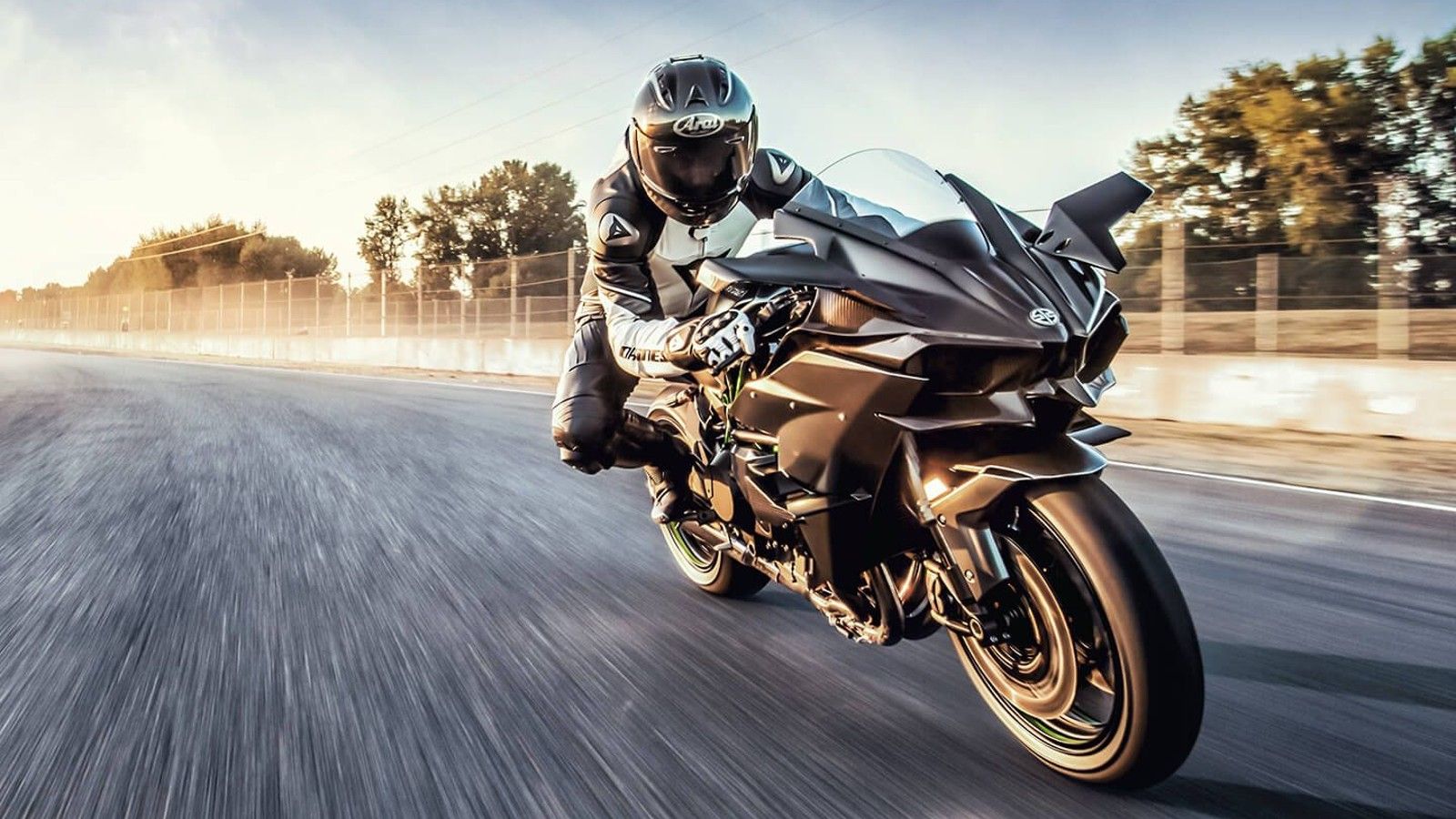
Determining true motorcycle resale value isn't about guessing what a bike should cost based on nostalgic attachment or original sticker prices. It requires looking at how depreciation hits different categories, how performance metrics translate to market demand, and why modifications rarely return a cash profit. When you're trying to figure out what a machine is actually worth on the open market, you have to strip away the emotional bias and look at hard data from platforms like Cycle Trader and valuation metrics tracked by specialists like Hagerty.
Market depreciation treats every motorcycle class differently. Cruisers, sportbikes, and adventure touring machines all lose value at distinct speeds, driven entirely by buyer demographics, seasonal demand, and maintenance realities. If you want to price a bike accurately or protect your investment before selling, you've got to understand the mechanics behind the pricing shift.
The Reality of Motorcycle Depreciation
Motorcycles lose a significant chunk of their showroom value the moment you ride them off the dealer lot. That initial hit typically ranges between twenty and thirty percent right out of the gate. Unlike cars, which follow a somewhat predictable multi-year curve, motorcycles face a steeper depreciation cliff in the first three years.
After that initial drop, the curve flattens out considerably until the bike reaches classic status. However, not all styles bleed cash at the same rate.
- Sportbikes: These machines suffer from rapid depreciation. They attract younger, price-sensitive riders who often look for newer model years, and many sportbikes live hard lives on track days or twisty backroads, making buyers naturally suspicious of used examples.
- Cruisers: Big American and metric cruisers hold their value much better. Because their target demographic tends to have higher disposable income and values longevity over raw horsepower, cruisers experience a gentler slope on the depreciation chart.
- Adventure and Touring Bikes: These hold strong resale numbers if they're well-maintained. Riders hunting for cross-country tourers know that a properly serviced engine can easily cross 100,000 miles, keeping demand steady.
- Dirt Bikes and Dual-Sports: These bounce back and forth based on local riding seasons. A clean dual-sport in the spring commands a high premium, while winter drops prices fast.
How Performance and Specifications Drive Pricing
Raw performance numbers dictate initial MSRP, but they play a secondary role to reliability and usability on the used market. Buyers shopping for a commuter bike don't care about a high redline; they care about fuel economy and comfort. Conversely, sportbike buyers fixate on horsepower-to-weight ratios and suspension components.
When you evaluate how performance impacts price, look at how the market perceives the specs:
- Engine Displacement: Mid-range displacements (between 600cc and 900cc) often find the sweetest spot for resale. They offer enough power for highway travel without the insurance penalties and high maintenance costs of liter-plus superbikes.
- Suspension and Brakes: Upgraded components like adjustable inverted forks, radial-mount calipers, and ABS keep older bikes relevant. A bike equipped with modern rider aids retains buyer interest much longer than a bare-bones equivalent.
- Weight and Ergonomics: Heavy touring rigs require a specific buyer, whereas lightweight nakeds appeal to both beginners and seasoned riders looking for a nimble city commuter. Broad appeal always translates to faster sales and firmer pricing.
The Mod Trap: Why Upgrades Do Not Equal Value
Every rider loves personalizing their machine. You might spend thousands on an aftermarket exhaust system, custom paint, fender eliminators, and electronic tuners. Unfortunately, the used market rarely rewards those choices.
Most buyers prefer stock motorcycles. When a bike has aftermarket modifications, buyers assume it was ridden aggressively or modified by an amateur who might have botched the electrical work or engine tuning.
If you want to maximize your return, keep your stock parts. Swapping an aftermarket exhaust back to the factory system before selling allows you to sell the aftermarket parts separately on enthusiast forums, while presenting buyers with a clean, unmolested motorcycle that commands top dollar.
Common Mistakes That Kill Resale Value
Sellers often sabotage their own transactions through avoidable errors in presentation, timing, and pricing strategy. If you want to secure the highest possible payout, avoid these common pitfalls:
- Incomplete Service Records: Buyers want proof of oil changes, valve adjustments, and major service milestones. A binder full of receipts instantly builds trust and justifies a higher asking price.
- Ignoring Cosmetic Flaws: A cracked fairing or a dented tank screams neglect. Fixing minor cosmetic issues before listing usually yields a higher return than the cost of the repair itself.
- Bad Photography: Grainy, dark photos taken in a cluttered garage turn buyers away before they even read the description. Clean the bike, pull it outside into natural light, and take clear shots from every angle.
- Listing Out of Season: Trying to sell a sportbike in November in a northern climate means sitting on inventory for months or slashing your price out of desperation.
Frequently Asked Questions
How do I find the baseline market value of my specific motorcycle?
Start by checking online marketplaces like Cycle Trader or regional classifieds to see what similar year, make, and model bikes are actually selling for, not just what sellers are asking. Factor in your mileage, overall condition, and local market demand.
Does low mileage always mean a high resale price?
Not necessarily. While low mileage is attractive, a bike that has sat stagnant for five years with old fuel sitting in the tank and dry-rotted tires requires expensive maintenance. Regular use with documented maintenance often beats a low-mileage garage queen.
Should I trade my bike in to a dealer or sell it privately?
Selling privately almost always nets you more cash, but it requires dealing with lowballers, test-ride logistics, and paperwork. Trading in is faster and handles the tax credits in many regions, but dealerships must factor in reconditioning costs and profit margins, resulting in a lower offer.
How much does vehicle history affect motorcycle pricing?
A clean title is mandatory for top dollar. Salvage or rebuilt titles instantly slash a motorcycle's value by thirty to fifty percent, regardless of how well the mechanical repairs were executed after an accident.



