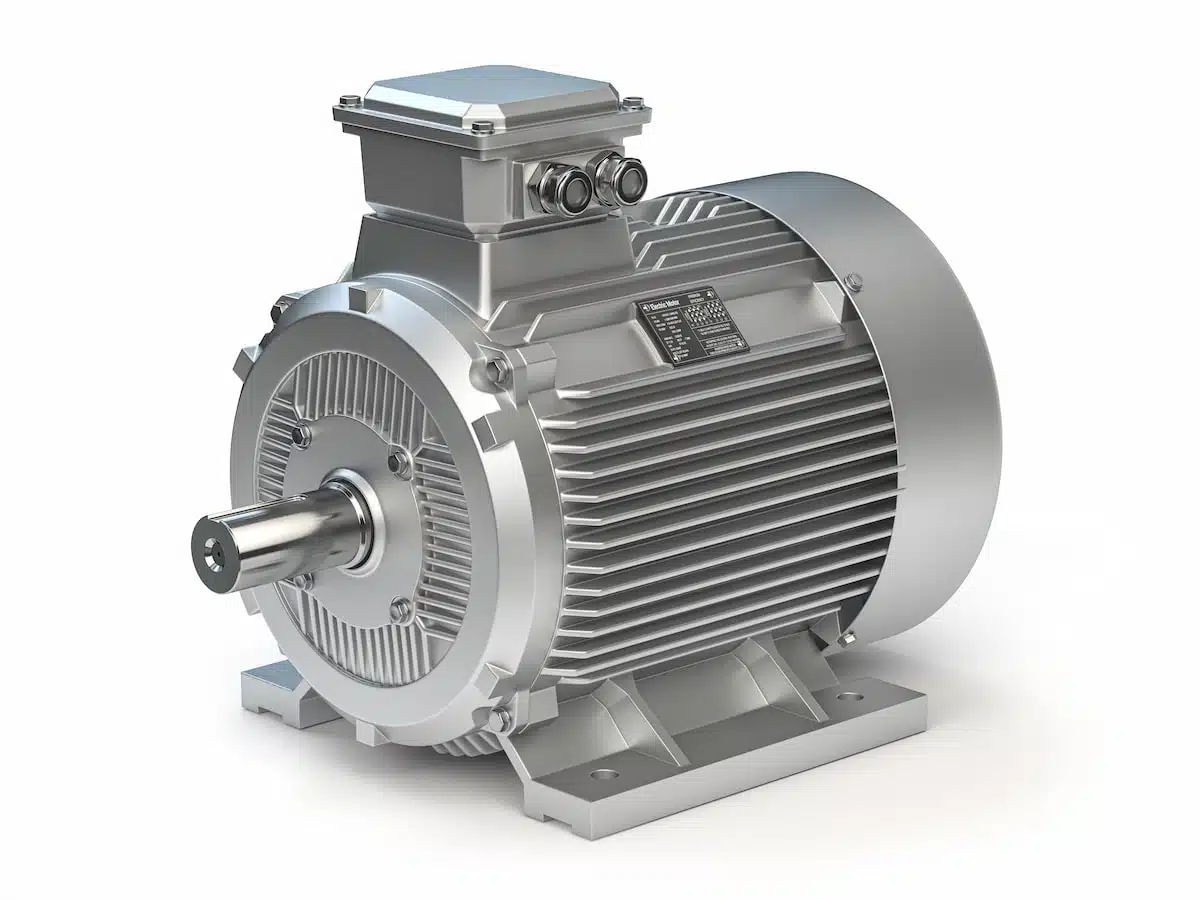
When you're dealing with vehicle electrical issues or tracking down a specific component like a motor oscar, knowing where to start saves you time and money. You don't need a degree in mechanical engineering to figure out how auxiliary motors function within modern vehicle assemblies. This breakdown covers everything you need to know about identification, common failure points, and replacement workflows.
Finding the exact part number can feel like a maze, especially when aftermarket terminology varies across regions and suppliers. Let's look at how these motors operate, what symptoms indicate a failing unit, and how you can safely handle testing and installation without damaging your car's wiring harness.
What is a Motor Oscar and Where Is It Located?
Vehicle design relies heavily on small electric actuators to control everything from climate blend doors to headlight adjustments and window regulators. Depending on the exact assembly you're repairing, a motor oscar typically refers to a specialized auxiliary electric motor used in specific sub-systems.
You'll usually find these motors tucked behind interior dash panels, inside door cavities, or within the engine bay housing secondary accessories. Because they operate intermittently, drivers often overlook them until they stop responding entirely.
- Check interior fuse boxes first if the unit loses power completely.
- Inspect the immediate wiring connector for corrosion or loose pins.
- Verify whether the housing is sealed or serviceable before attempting a teardown.
Symptoms of a Failing Auxiliary Motor
Motors don't usually fail overnight. They give you warning signs long before they quit working. Ignoring these initial symptoms can lead to fried fuses or total circuit failure.
You might notice an unusual humming or clicking noise when you activate the switch. That sound usually means the internal plastic gears are stripping or the armature is binding against the housing. Another common sign is intermittent operation. If the motor works on warm days but fails in freezing weather, moisture has likely seeped past the environmental seals.
Common Failure Triggers
- Moisture intrusion: Water running down door seals or cowl vents corrodes internal brushes.
- Thermal overload: Extended use against a stuck mechanical linkage burns out the copper windings.
- Vibrations: Constant road shock loosens internal solder joints over years of driving.
Step-by-Step Testing and Replacement Workflow
Before you spend money on a replacement part, you need to confirm that the motor is actually dead. Swapping parts blindly gets expensive fast.
- Disconnect the negative battery terminal to prevent accidental short circuits during testing.
- Access the wiring harness plug leading directly to the motor unit.
- Use a digital multimeter set to DC voltage to check for power at the connector while a helper activates the control switch.
- If voltage reads correctly but the motor remains silent, bench-test the unit by applying direct 12-volt power from a auxiliary source.
- Unbolt the mounting fasteners, noting the orientation of any brackets or alignment pins.
- Install the new unit, ensuring the mechanical drive gear seats properly into the matching track or linkage before tightening the bolts.
For detailed electrical schematics specific to your vehicle platform, consult official repair references through resources like Mitchell 1 or the National Highway Traffic Safety Administration for safety recalls related to electrical accessories.
Preventing Premature Motor Burnout
You can extend the lifespan of small auxiliary motors with a few simple maintenance habits. Keep drainage channels clear around windshield cowls and door sills so water never pools near electrical connectors. If you notice a window or actuator moving slower than usual, address the mechanical resistance immediately rather than forcing the switch. Lubricating moving tracks with silicone spray takes away the heavy load that causes these small motors to overheat.
Frequently Asked Questions
Can I repair a burned-out motor instead of replacing it?
Usually no. While you can clean dirty contacts or re-solder a loose external wire, sealed electric motors feature microscopic components that aren't sold separately. Replacing the entire assembly is safer and more reliable.
Why does my new motor stop working immediately after installation?
If a replacement motor fails right away, check the underlying mechanical linkage. A jammed door, window track, or blend flap will immediately overload and destroy a brand new motor.
Are aftermarket motors as reliable as OEM parts?
It depends on the manufacturer. Reputable aftermarket brands match factory specs, but cheap unbranded alternatives often use lower-grade copper windings that fail prematurely under high resistance.



