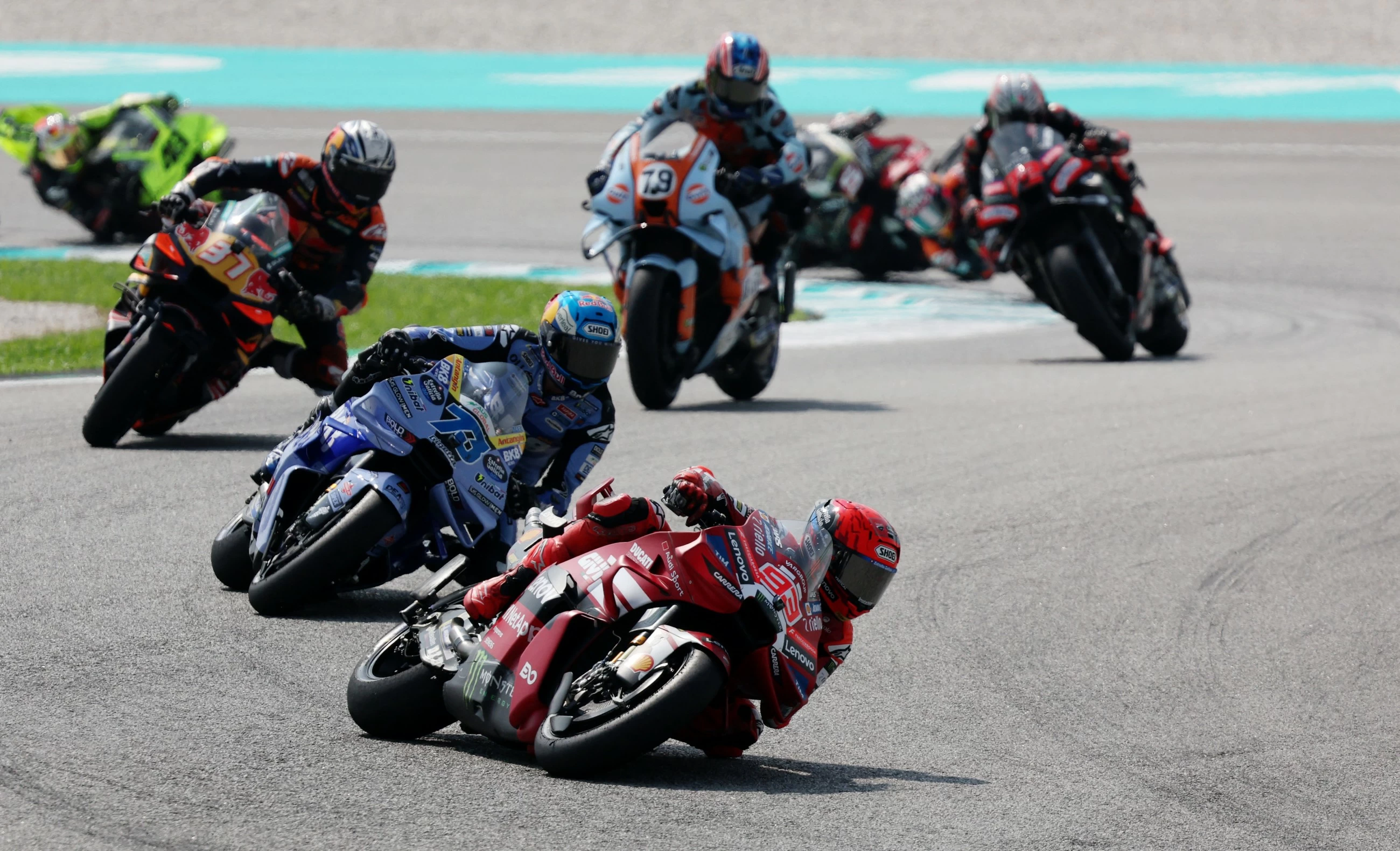
The 2022 Indonesian Grand Prix at the Pertamina Mandalika International Street Circuit delivered one of the most chaotic, rain-soaked spectacles in modern motorcycle racing history. Marking MotoGP's return to Indonesia after a 25-year absence, the weekend was defined by torrential tropical downpours, asphalt challenges, high-speed crashes, and a masterclass in wet-weather riding by KTM's Miguel Oliveira.
Search intent for this historic event centers on understanding how a weekend plagued by track asphalt breakup, Marc Márquez's career-threatening high-side, and a delayed start ultimately unfolded into a tactical wet race won by Oliveira, with Fabio Quartararo and Johann Zarco rounding out the podium.
Pre-Race Chaos and the Mandalika Asphalt Challenge
Long before the lights went out, the Mandalika Circuit in Lombok faced intense scrutiny. During the February pre-season testing, riders complained bitterly about delaminating asphalt and excessive stone chipping. Organizers scrambled to partially resurface key sections of the track ahead of the March race weekend.
The build-up also featured a unique promotional parade through Jakarta, where riders met Indonesian President Joko Widodo. Once action began on track, grip levels remained unpredictable. The extreme heat combined with new pavement created a slippery surface that caught out numerous title contenders during practice and qualifying sessions.
Marc Márquez's Severe Warm-Up Crash
The biggest storyline before the Grand Prix was the dramatic exit of Honda talisman Marc Márquez. During Sunday morning's warm-up session, Márquez suffered a violent, high-speed high-side at Turn 7, destroying his RC213V and launching him violently through the air.
Although he walked away, medical evaluations confirmed he suffered a concussion. MotoGP and Honda officials declared him unfit to race, sidelining him for the Indonesian round and triggering a recurrence of his diplopia (double vision) issues in the weeks that followed. His absence robbed the grid of one of its fiercest wet-weather competitors.
Torrential Rain and the Delayed Start
Just as the premier class prepared to line up on the grid, a torrential tropical downpour struck the Lombok circuit. Puddles formed rapidly across the newly paved layout, reducing visibility to near zero and turning sections of the track into a water park.
Race control was forced to delay the start by over an hour. Marshals used brooms and heavy sweeping equipment to clear standing water, while local trackside shamans performed traditional weather rituals to appease the elements. Ultimately, race distance was shortened from 27 laps to 20 laps to manage tire wear and safety margins in the standing water.
Oliveira's Wet-Weather Masterclass
When the red lights finally went out, Fabio Quartararo started from pole position on his factory Yamaha, but it was KTM's Miguel Oliveira who mastered the treacherous spray. Starting from seventh on the grid, Oliveira seized the lead early and adapted instantly to the low-grip conditions.
Riding with supreme confidence, Oliveira built a commanding gap while riders behind him fought for survival. Jack Miller, Johann Zarco, and Alex Rins traded places in the blinding rooster tails of spray.
As the race entered its final laps, reigning world champion Fabio Quartararo found a second wind, charging hard through the field to chase down the Portuguese rider. However, Oliveira managed his Michelin rain tires expertly, responding to Quartararo's charge and crossing the finish line 2.2 seconds clear to claim an emotional victory. Zarco secured third place after a fierce battle with Miller.
Common Mistakes and Tactical Takeaways
- Mismanaging Tire Pressure: Several riders struggled with front tire overheating as the track temperature fluctuated once the rain stopped and steam rose from the asphalt.
- Overriding in Zero Visibility: Riders deep in the pack reported that the spray from the front bikes completely blinded them down the straights, forcing conservative braking markers.
- Risk Assessment: Teams that prioritized stable rear traction setup over pure top speed gained massive ground through Mandalika's flowing middle sector.
Frequently Asked Questions
Why was the 2022 Indonesian GP race distance shortened?
Race control shortened the race from 27 laps to 20 laps due to extreme safety concerns regarding extreme heat, tire degradation on the newly laid asphalt, and heavy standing water from the tropical storm.
Who won the 2022 Indonesian MotoGP?
Miguel Oliveira won the race riding for the Red Bull KTM Factory Racing team, with Fabio Quartararo finishing second and Johann Zarco taking third.
Why didn't Marc Márquez race on Sunday?
Marc Márquez suffered a massive high-side crash at Turn 7 during Sunday morning warm-up, resulting in a concussion that forced doctors to declare him unfit to participate.
How did the Mandalika circuit affect tire strategy?
The combination of fresh asphalt and standing water forced teams to rely entirely on wet-weather compound tires, requiring riders to search for cooler, damp patches of tarmac to keep their rubber from overheating.



