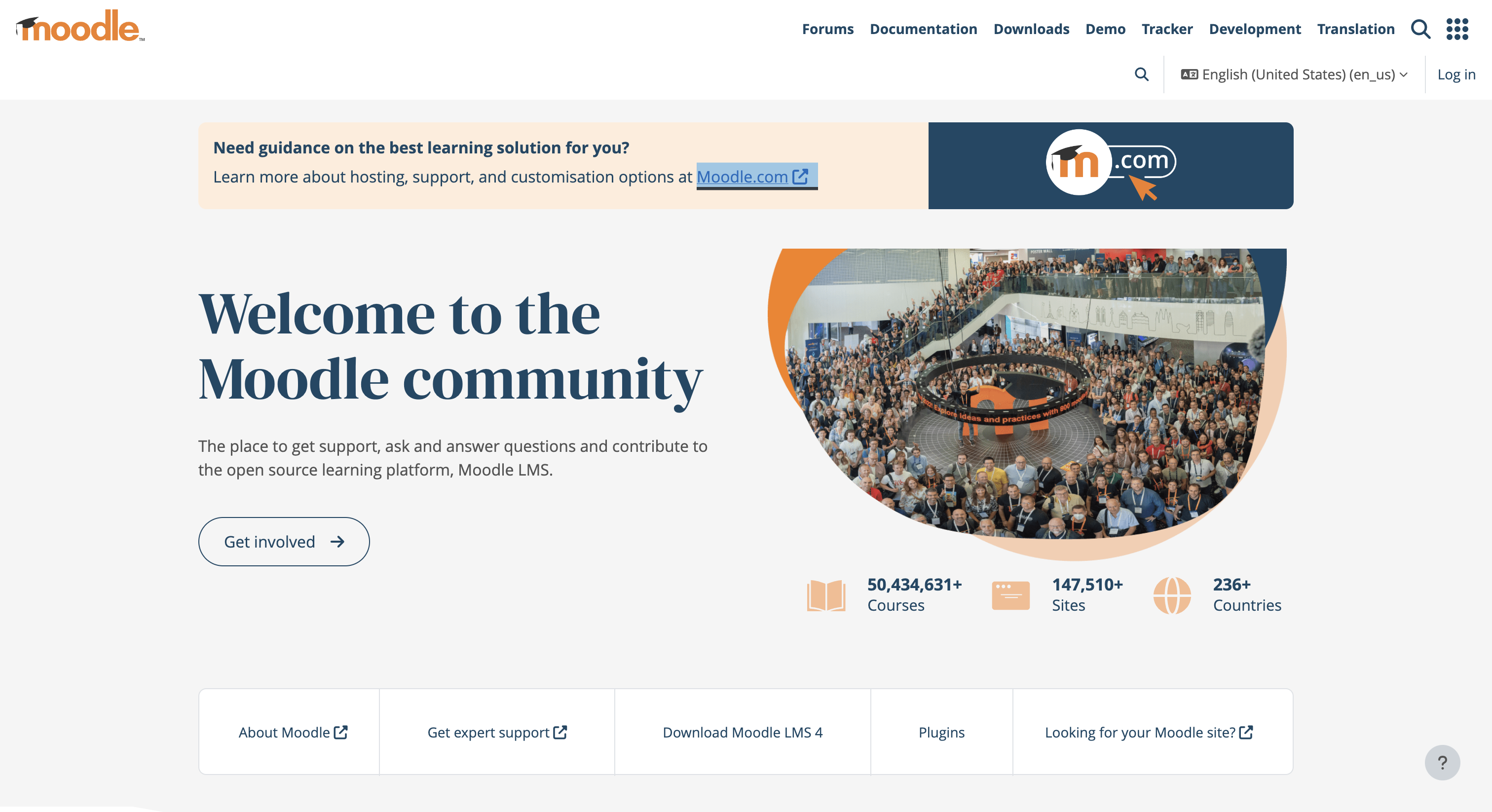
Higher education relies heavily on robust digital infrastructure to deliver coursework, manage assignments, and track academic progress. At institutions like the University of Massachusetts, digital campus platforms have evolved from simple file repositories into complex ecosystems. Exploring how open-source software like Moodle and modern platforms shape large university systems reveals the shifting demands of digital learning environments.
Managing online instruction across tens of thousands of students requires high scalability, security, and integration with campus portals like SPIRE. While universities continuously adapt their technology stacks—often migrating between systems like Blackboard, Moodle, and Canvas—the core mission remains unchanged: creating a reliable online extension of the physical classroom.
The Core Architecture of University LMS Platforms
Large public university systems face unique architectural challenges. They must support hundreds of concurrent courses, host multimedia lecture files, integrate with external plagiarism checkers, and maintain strict data privacy standards.
- Scalability: Systems must handle massive traffic spikes during midterm and final examination periods without crashing.
- Interoperability: The learning management system (LMS) must sync roster data from student information portals automatically.
- Accessibility: Platforms need to comply with modern web accessibility guidelines to ensure equal access for all students.
Open-source frameworks provide institutions with the flexibility to customize code modules, tailoring gradebooks and submission workflows to specific departmental requirements. Rather than relying entirely on out-of-the-box software, university IT departments often deploy custom plugins to streamline administrative overhead. As extensively documented in recent coverage by Reuters, the effects are significant.
Transitioning Campus Technology Infrastructure
University technology stacks don't remain static. Over the past decade, major institutions have shifted strategies to consolidate digital tools. Moving from legacy setups to unified cloud environments helps reduce administrative friction for both faculty and students.
When universities update their digital infrastructure, several operational phases occur:
- Audit and Assessment: IT teams catalog existing courses, active plugins, and historical archives stored within current platforms.
- Data Migration: Essential grade data, syllabus files, and reusable course materials are exported into secure formats or moved to the new environment.
- Faculty Training: Workshops and sandbox environments are established so instructors can rebuild their digital curricula ahead of active semesters.
- Student Onboarding: Clear guides are published detailing how students can access course materials, submit assignments, and retrieve academic history.
This multi-step migration path minimizes disruptions to active semesters and protects vital student records.
Common Pitfalls in Digital Campus Management
Implementing or migrating enterprise-level educational technology frequently exposes institutional blind spots. Recognizing these missteps helps campus administrators avoid costly delays.
- Neglecting Data Archival: Assuming historical course data will automatically transfer without manual intervention often leads to lost student portfolios.
- Over-Customization: Writing excessive custom code variants can make future platform updates difficult and compromise system stability.
- Inadequate Faculty Support: Failing to provide timely technical assistance during early adoption phases creates resistance among teaching staff.
Frequently Asked Questions
What is the primary role of an LMS in modern higher education?
An LMS serves as the centralized hub for course delivery, housing syllabi, assignment dropboxes, discussion forums, and gradebooks. It bridges classroom instruction with remote learning capabilities.
Why do universities transition between different learning management systems?
Institutions periodically upgrade their software to reduce licensing costs, improve mobile responsiveness, enhance security protocols, or consolidate disparate departmental systems into a single unified platform.
How do students access official university records versus course materials?
Official administrative tasks like course registration, tuition payment, and official grade tracking are typically handled through dedicated campus portals (such as SPIRE at UMass), whereas day-to-day coursework takes place inside the LMS.
Are open-source platforms secure enough for large universities?
Yes. Platforms like Moodle undergo rigorous security audits and are deployed on secure, institution-managed servers with strict user authentication and role-based permissions.



