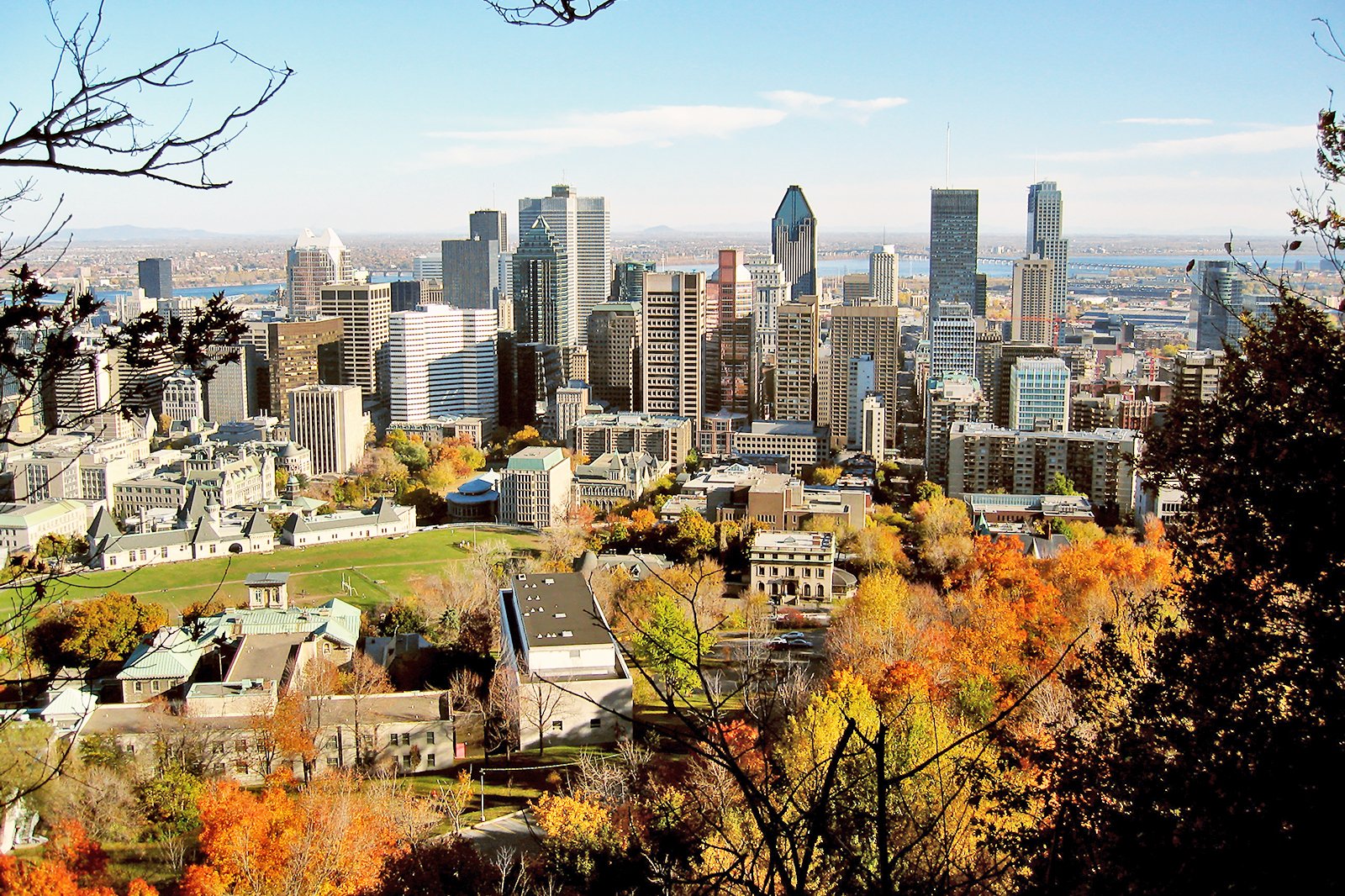
Montreal postal codes aren't random strings of letters and numbers assigned on a whim. Every single alphanumeric sequence acts as a precise geographic blueprint governed by Canada Post, reflecting urban density, historical expansion, and mail-sorting logistics. If you've ever wondered why downtown McGill University sits under H3A while industrial and residential pockets answer to H4B or H4Z, you're looking at a carefully engineered national addressing grid.
Understanding how Montreal's postal code structure operates helps residents, businesses, and couriers navigate the city's complex urban layout with speed. Let's break down the exact mechanics behind Canada's Forward Sortation Areas (FSAs) and local delivery units across Quebec's largest metropolis.
The Anatomy of a Canadian Postal Code
Every Canadian postal code follows a strict A1A 1A1 format, alternating between letters and numbers. The first three characters form the Forward Sortation Area (FSA), while the last three characters represent the Local Delivery Unit (LDU).
- The First Character (The Province/Region): In Quebec, every postal code starting with the letter H is designated exclusively for the Island of Montreal and its immediate municipal enclaves. (For comparison, codes starting with G cover eastern Quebec, while J covers western and northern regions).
- The Second Character (The Zone or Sector): The number following the H divides Montreal into specific sectors. For instance, H3 and H4 designate specific urban quadrants and West Island districts, whereas H2 covers central and historic neighborhoods like Old Montreal and the Plateau.
- The Third Character (The Specific Neighborhood/Route): Paired with the first two characters, this letter pinpoints a particular neighborhood, collection of postal routes, or major commercial hub.
For example, H3A isolates a compact, high-density zone in downtown Montreal containing major corporate towers and university campuses. Meanwhile, H4B targets western residential and commercial sectors like Notre-Dame-de-Grâce, and H4Z points directly to specific downtown financial complexes such as Place Ville Marie.
Decoding H3A, H4B, and H4Z in Practice
To see how this works on the ground, let's examine what these three specific routing codes represent within Montreal's urban geography.
H3A: The Core Commercial and Academic Hub
The H3A FSA covers the absolute heartbeat of downtown Montreal. Bounded roughly by major arteries like Sherbrooke Street and René Lévesque Boulevard, this zone handles massive daily inflows of commuters, students, and professionals.
- Key Landmarks: McGill University campus grounds, major office towers, and dense underground pedestrian networks (RESOC).
- Delivery Profile: High-volume commercial mail, corporate headquarters, and institutional buildings requiring automated sorting centers capable of processing thousands of items per hour. According to Canada Post, high-density institutional zones like H3A utilize specialized walk sequences to handle multi-tenant high-rises efficiently.
H4B: Western Residential and Transit Corridors
Shifting westward, H4B represents a different urban fabric. This FSA primarily encompasses neighborhoods like Notre-Dame-de-Grâce (NDG) and parts of Montreal West, blending residential tree-lined streets with bustling commercial strips along thoroughfares like Sherbrooke Street West and Monkland Avenue.
- Key Landmarks: Montreal West train station, Concordia University's Loyola Campus, and sprawling residential duplexes.
- Delivery Profile: A mix of residential door-to-door delivery, community mailboxes (CMBs), and local retail storefronts. The layout requires foot carriers and motorized urban delivery routes tailored to traditional residential architecture.
H4Z: High-Rise Financial and Underground Complexes
Unlike sprawling residential districts, H4Z represents a highly specialized, micro-geographic LDU code. It is typically assigned to specific massive commercial complexes or skyscrapers in the downtown core—such as the Place Ville Marie complex.
- Key Landmarks: Place Ville Marie tower blocks and immediate interconnected corporate spaces.
- Delivery Profile: Bulk business mail delivered directly to centralized corporate mailrooms or internal loading docks rather than individual street addresses.
How Canada Post Routes Mail Through Montreal
Canada Post utilizes advanced optical character recognition (OCR) sorting machinery at facilities like the Montreal Letter Processing Plant (MLPP) to read postal codes instantly.
When a letter or parcel enters the system with an H3A destination, the sorting machinery doesn't look at the street name first. Instead, the sorting logic relies strictly on the FSA to route the item to the correct local depot. Once the item arrives at the local station, human carriers or automated final-mile sortation sequences organize the mail using the final three characters (1A1, for instance) to arrange exact walking or driving orders.
According to data from Statistics Canada, postal codes serve as the foundational geographic boundary for census tracts, enabling urban planners to track demographic shifts, housing density, and economic development at a micro-neighborhood level.
Common Misconceptions About Montreal Postal Codes
Many people assume postal codes reflect municipal political boundaries or borough (arrondissement) lines. In reality, postal codes are purely logistical tools created by postal operators, which frequently creates discrepancies with official city limits.
- Myth: Every borough has its own unique letter prefix. Reality: Montreal's 19 boroughs span across multiple H-series FSAs. A single borough might overlap with three or four different postal code prefixes depending on mail volume and delivery routes.
- Myth: Postal codes never change. Reality: As neighborhoods densify or new massive real estate developments emerge (such as the massive Griffintown revitalization project), Canada Post frequently introduces new FSAs or splits existing ones to maintain sorting efficiency.
- Myth: The last three characters are completely random. Reality: The LDU sequence directly corresponds to specific blocks, apartment complexes, or rural route boxes, allowing sorting algorithms to sequence mail down to the exact side of a street.
Frequently Asked Questions
Why do some Montreal postal codes start with H while others start with J?
Postal codes starting with H are reserved exclusively for the Island of Montreal and immediate surrounding municipal islands. Codes starting with J cover off-island regions of southwestern, western, and northern Quebec, including areas like Laval, the Laurentians, and the Montérégie.
Can a single building have its own unique postal code?
Yes. Massive skyscrapers, large university campuses, hospitals, and major corporate headquarters often receive dedicated postal codes (often classified as large-volume receivers) because they generate enough daily mail volume to warrant a unique routing designation.
How do I find the postal code for a specific Montreal address?
You can look up any valid Canadian address using the official Canada Post Postal Code Finder. Simply input the street number, street name, and city to retrieve the exact six-character code.
Are postal codes used for anything other than mailing letters?
Yes, governments, insurance companies, and marketing firms rely heavily on postal codes for demographic analysis, emergency services dispatch mapping, geocoding customer databases, and evaluating real estate market valuations across different urban sectors.



