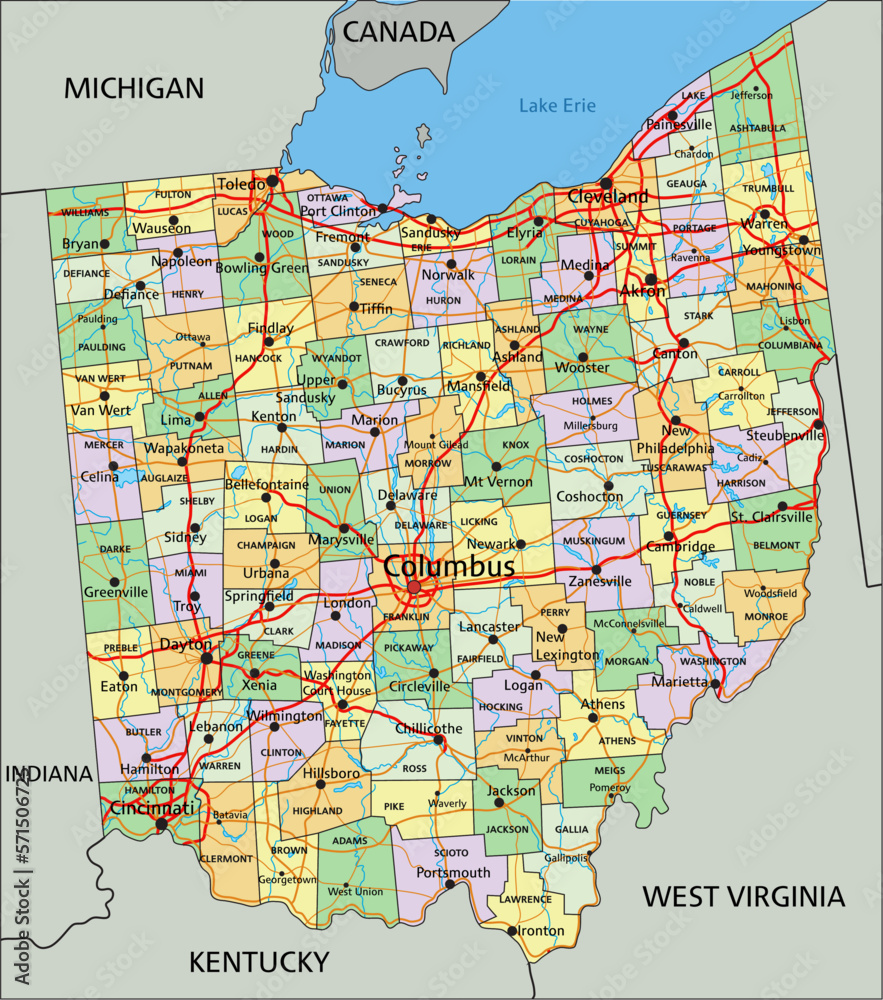
Navigating local judicial systems often feels overwhelming, but the office anchoring Montgomery County's legal administration manages everything from daily court filings to vehicle titling. The Montgomery County Clerk of Courts acts as the administrative engine of justice, preserving records and processing court documentation for residents, attorneys, and local agencies. Whether you're paying a municipal fine, pulling a docket report, or filing a civil suit, understanding how this office operates saves you time and administrative frustration.
The office functions as the constitutional record-keeper for the legal system. It bridges the gap between citizens and courtroom proceedings by maintaining accessible dockets, handling financial transactions like court costs, and securing historical archives. Knowing which division handles your specific need keeps your paperwork moving without costly delays.
Core Responsibilities and Divisions
The Clerk's office isn't a single monolithic desk; it breaks down into specialized departments designed to handle distinct types of legal actions. Each division maintains specific rules, forms, and operating hours.
Legal Division and Court Dockets
The Legal Division manages records for the Court of Appeals, the Common Pleas Court (General, Domestic Relations, and Juvenile divisions), and municipal dockets. If a lawsuit is filed, a motion is submitted, or a judgment is entered, it goes through this department.
- Civil and Criminal Files: Staff index complaints, indictments, motions, and final entries.
- Docket Access: Public terminals and online search portals allow users to review case histories, upcoming hearing dates, and minute entries.
- Appellate Work: The office prepares and transmits records for cases appealed to the Second District Court of Appeals.
Auto Title Division
Many residents interact with the Clerk through vehicle services rather than lawsuits. The Auto Title Division handles vehicle, watercraft, and manufactured home transactions across multiple county branches.
- Processing title transfers following private sales or dealership purchases.
- Issuing replacement titles for lost or damaged documents.
- Recording liens and processing memorandum titles for financed vehicles.
Accessing Public Records and Electronic Filing
Modernization has transformed how people interact with court files. While physical archives remain secured at locations like the courthouse on N. Perry Street in Dayton, digital infrastructure handles the bulk of day-to-day access.
Electronic filing, or e-file, is standard practice for attorneys and frequent litigants. It allows legal teams to submit documents securely around the clock, bypassing lines at the clerk's counter. For everyday citizens, online docket search tools provide visibility into open and closed cases. You can look up case summaries, view chronological case events, and check whether costs or fines have been paid in full.
Public records laws govern what stays open and what gets sealed. While most court dockets are completely public, sensitive matters involving juvenile proceedings, specific mental health commitments, or protective orders have restricted access to protect privacy and safety.
Managing Payments, Fines, and Restitution
Financial administration is a massive part of the Clerk's daily workflow. When a judge assesses fines, court costs, or restitution, the Clerk's bookkeeping department tracks every dollar.
- Fines and Fees: Traffic tickets, municipal infractions, and criminal case costs are paid directly through the Clerk's financial portals or office windows.
- Restitution Disbursement: The office collects restitution payments from defendants and distributes them to victims as ordered by the court.
- Bond Postings: Posting bail or securing surety bonds requires coordination with the financial division to ensure release conditions are met.
Falling behind on court-ordered payments can result in license blocks or additional legal penalties. If you're struggling to pay, contacting the Montgomery County Help Center or the bookkeeping department early helps clarify options for payment extensions or compliance tracking.
Common Mistakes to Avoid
People frequently experience delays or rejected paperwork because of simple administrative oversights. Avoiding these pitfalls ensures smoother interactions with court staff.
- Failing to check jurisdiction: Montgomery County features municipal courts with different geographic divisions (such as Eastern and Western divisions) alongside the main Common Pleas court. Filing paperwork in the wrong venue wastes time and requires refiling.
- Expecting legal advice from clerks: State law strictly prohibits clerk staff from providing legal advice, filling out forms for you, or recommending specific legal strategies. They can explain procedural rules, but they cannot act as your attorney.
- Ignoring formatting and redaction rules: Submitting documents with unredacted sensitive data, such as full Social Security numbers or financial account details, can lead to immediate rejection by the filing desk.
- Overlooking branch location hours: While downtown offices operate standard weekday hours, suburban auto title or municipal branches often have varied schedules or specific closure days. Always verify hours before driving out.
Frequently Asked Questions
Can I look up Montgomery County court records online?
Yes. The Clerk provides searchable online dockets for civil, criminal, and domestic relations cases. You can search by case number, party name, or filing date to view docket histories and public document statuses.
How do I transfer a vehicle title in Montgomery County?
You need the physical title signed over by the seller, a valid photo ID, and payment for title fees and applicable state taxes. You can visit any local Auto Title branch location in Dayton, Centerville, Clayton, Huber Heights, or Moraine.
Are court hearings held virtually or in person?
Hearing formats vary by judge and case type. While many routine status conferences utilize phone or video conferencing platforms, evidentiary hearings, trials, and arraignments typically require physical attendance in the courtroom. Check your specific scheduling notice or contact the assigned courtroom bailiff to confirm.
What should I do if I cannot afford my court fines?
Contact the bookkeeping or collections department immediately rather than missing your payment deadline. The court occasionally permits payment plans or community service alternatives depending on the specific judicial order.



