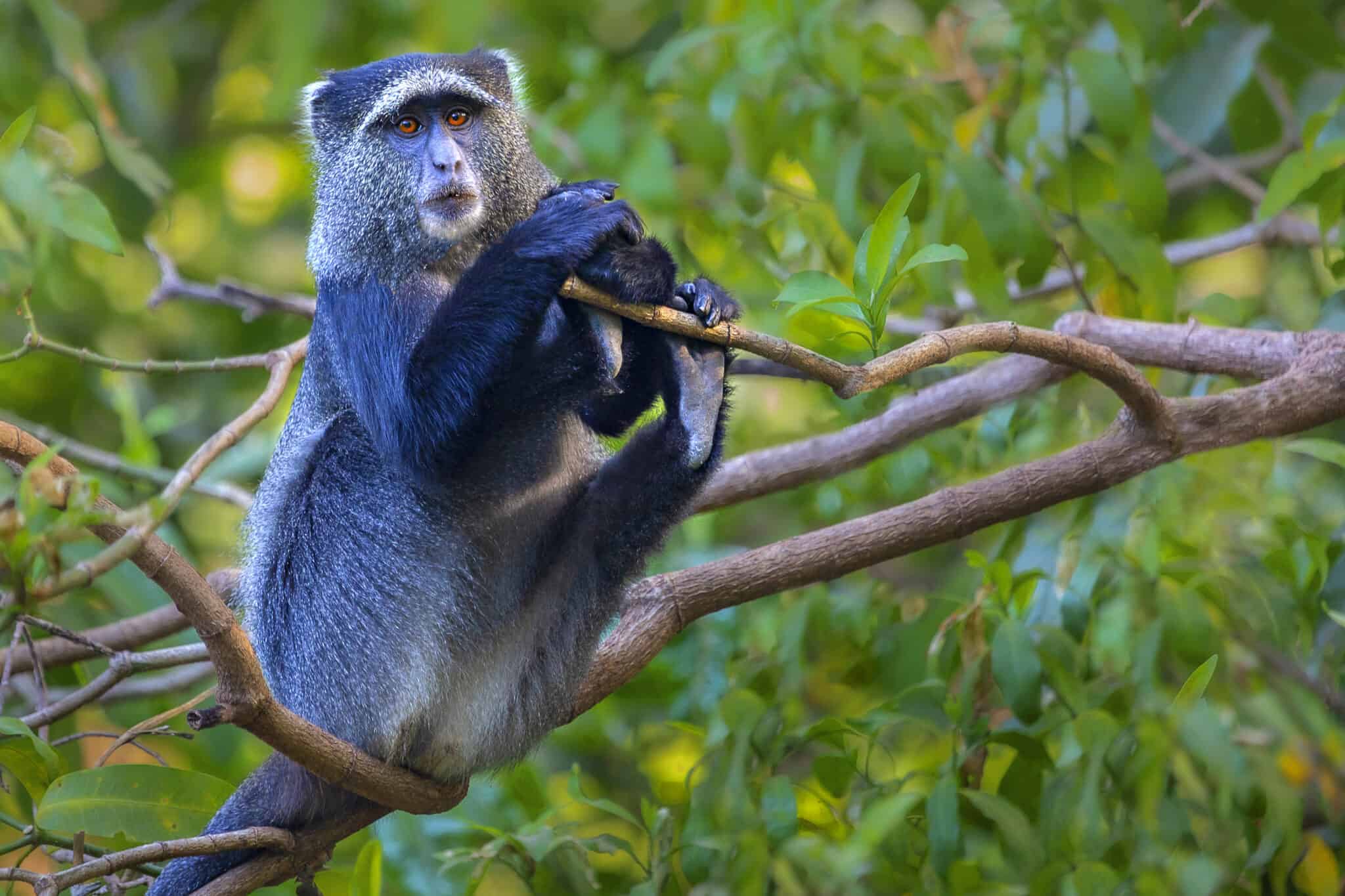
When stories circulate online about a monkey with down syndrome, they usually capture imaginations by bridging the gap between human experience and the animal kingdom. While true human Trisomy 21 doesn't manifest identically in non-human primates due to distinct chromosomal structures, genetic variations do occur across species. These rare cases offer fascinating insights into primate neurology, ethology, and how we perceive difference across the animal world.
Understanding these cases requires looking past viral internet headlines into actual primatology and veterinary science. Researchers study chromosomal anomalies in macaques and other primates not for novelty, but to understand how genetic diversity expresses itself across species boundaries. This exploration sheds light on animal cognition, sanctuary care practices, and the ways we interpret cognitive and physical divergence in nature.
The Science of Primate Chromosomal Variation
Human DNA is organized into 23 pairs of chromosomes, with Down syndrome resulting from a full or partial extra copy of chromosome 21. Non-human primates have different chromosomal counts—rhesus macaques, for example, have 21 pairs (42 chromosomes total). Because of these fundamental genomic distinctions, a direct human condition like Trisomy 21 doesn't replicate identically in other animals.
Instead, when researchers document primates exhibiting physical and behavioral traits reminiscent of Down syndrome, they are typically observing rare chromosomal translocations, mosaicism, or other distinct genetic anomalies.
- Chromosomal divergence: Species-specific DNA structures mean genetic syndromes manifest through analogous pathways rather than exact genetic matches.
- Phenotypic overlap: Affected animals may display low muscle tone, distinct facial features, or altered developmental timing.
- Diagnostic limits: Veterinary geneticists rely on karyotyping and genomic sequencing to identify specific abnormalities rather than applying human diagnostic labels.
Documented occurrences remain exceedingly rare in the wild because animals with severe congenital conditions face steep survival pressures. Most known cases emerge within protected environments where veterinary teams provide continuous support.
Life in Sanctuary Care
Primate sanctuaries play a vital role in housing animals with specialized medical or developmental needs. Unlike wild troops where social hierarchies can be unforgiving, professional sanctuaries adapt environments to ensure safety and inclusion for every resident.
Caregivers observe that primates with developmental differences often find unique niches within their social groups. Rather than being permanent outcasts, many rely on gentle troop members who tolerate slower movements or provide extra grooming. Sanctuary management requires tailored enrichment programs designed around individual capabilities rather than rigid species expectations.
- Dietary adjustments: Softer foods and balanced nutrient profiles accommodate dental or motor challenges.
- Sensory enrichment: Tactile objects, auditory stimuli, and puzzle feeders support cognitive engagement without inducing stress.
- Social integration: Slow, monitored introductions help prevent conflict while fostering supportive peer relationships.
According to guidelines from organizations like the National Institutes of Health, animal care protocols in research and sanctuary settings prioritize behavioral wellness and environmental adaptation, ensuring high standards of daily life.
Challenging Perceptions of Normalcy
The public fascination with animals displaying human-like conditions often reveals more about human psychology than animal biology. When people encounter a primate with physical or cognitive differences, it triggers an immediate reflection on empathy, care, and the definition of a normal life.
In conservation education, these stories serve as powerful tools against ableism. They demonstrate that value in the animal kingdom isn't dictated solely by peak athletic prowess or strict adherence to a standard template.
- Redefining success: Primate development happens on individual timelines, emphasizing adaptability over speed.
- Empathy across species: Observing how healthy troops care for atypical members encourages deeper reflection on human social responsibilities.
- Educational impact: Sanctuaries use these stories to teach visitors about biodiversity, genetics, and ethical wildlife stewardship.
Resources from institutions like the Smithsonian National Museum of Natural History highlight how evolutionary success encompasses a broad spectrum of physical and social strategies, proving that variation is a fundamental engine of biological resilience.
Frequently Asked Questions
Can animals actually have Down syndrome?
Animals cannot have human Down syndrome because they possess a different number of chromosomes. However, they can experience other chromosomal anomalies, such as partial translocations or genetic mutations, that produce similar physical or developmental traits.
How do sanctuaries handle primates with special needs?
Sanctuaries provide specialized diets, modified enclosures to prevent falls, customized cognitive enrichment, and careful social integration with gentle troop mates to ensure a high quality of life.
Are genetic anomalies common in wild monkeys?
They are rarely documented in the wild because animals born with significant developmental challenges often struggle to survive predation, disease, and competition for food without human intervention.
Why do these stories attract so much attention?
They humanize wildlife in a way that resonates with personal experiences of disability, family care, and neurodiversity, prompting viewers to rethink how society values vulnerable individuals.



