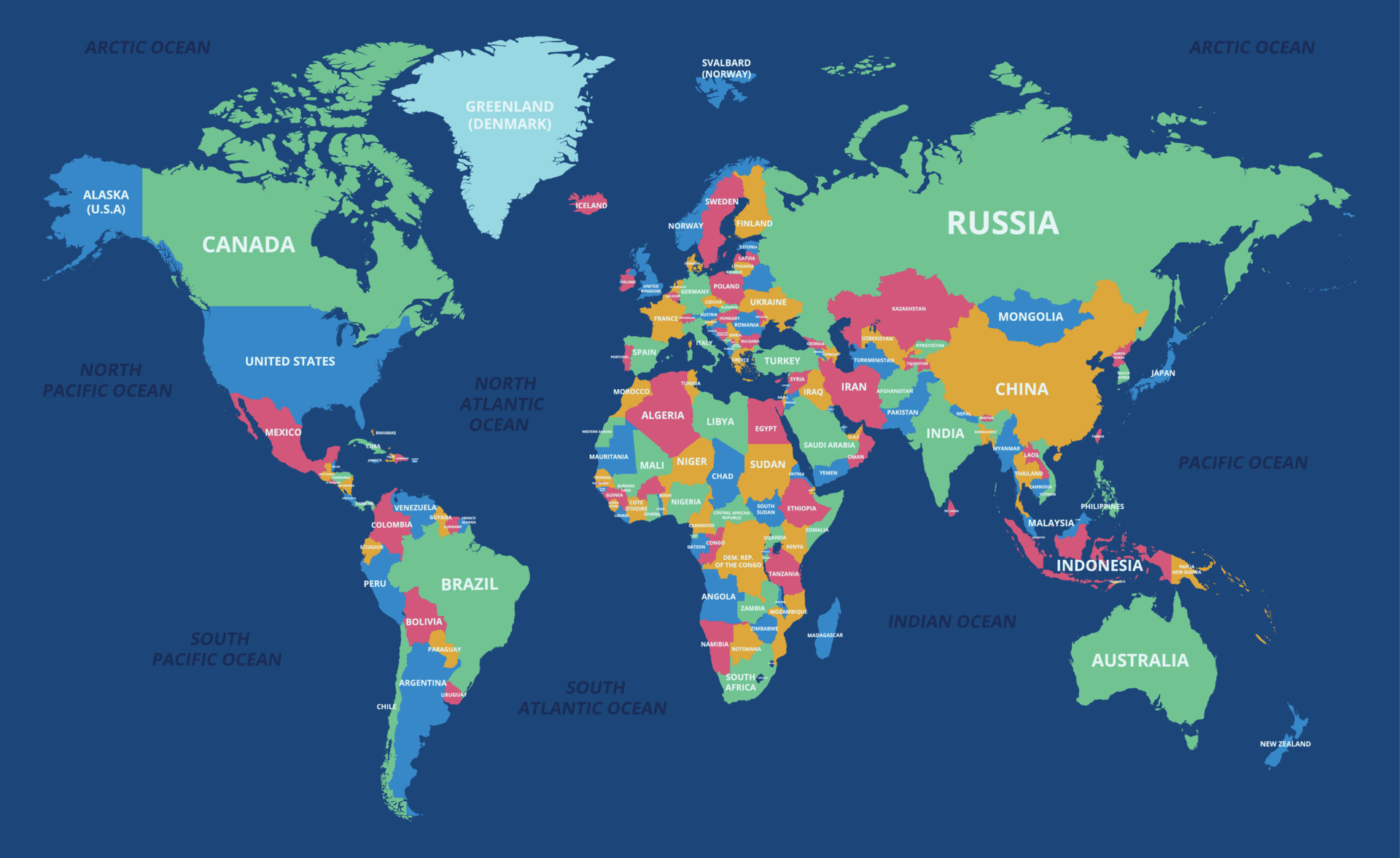
Decades after political theorists predicted the total extinction of crowns and courts, dozens of nations still maintain kings, queens, emperors, and princes at the apex of their states. Far from being mere relics swept away by modern democracy, global monarchies persist across every inhabited continent, split sharply between ceremonial figureheads and rulers who hold absolute executive power.
Understanding where and how these systems survive requires looking past simple tourist-friendly pageantry. Today, roughly 43 sovereign nations retain a monarch as head of state, operating under constitutional frameworks, traditional tribal lines, or autocratic rule. This deep dive maps out these surviving crowns, breaking them down by structural type, practical power, and historical continuity.
Constitutional Monarchies: Crowns Under Law
In a constitutional monarchy, the sovereign's powers are strictly limited by a constitution, parliamentary system, or bill of rights. Most of these monarchs retain ceremonial, cultural, and diplomatic duties rather than direct legislative control.
The Commonwealth Realms
Fifteen distinct nations share a single monarch: King Charles III. While the United Kingdom is the most prominent, the crown extends its reach across independent countries like Canada, Australia, New Zealand, Jamaica, and smaller island states in the Caribbean and Pacific. In these countries, the monarch acts as a symbol of unity, represented locally by a governor-general who performs constitutional duties on advice from elected prime ministers. For broader details on this issue, comprehensive analysis can also be found at The New York Times.
European Constitutional Houses
Europe hosts several of the oldest continuous royal houses, including those in Sweden, Norway, Denmark, the Netherlands, and Spain.
- The Netherlands: King Willem-Alexander leads a deeply integrated parliamentary monarchy where the royal family receives public funding tied directly to accountability and public approval.
- Spain: Restored under a constitutional framework following decades of dictatorship, King Felipe VI serves as head of armed forces and national unity.
- Scandinavia: Sweden, Norway, and Denmark maintain popular, streamlined royal families that balance ancient lineage with modern social accessibility.
Asian and African Parliamentary Thrones
Constitutional models stretch far beyond Europe. Japan's imperial family, headed by Emperor Naruhito, represents the oldest continuous hereditary monarchy in the world, tracing an ancient lineage that holds profound spiritual significance without political authority.
Similarly, countries like Thailand, Cambodia, Lesotho, and Malaysia utilize distinct structural frameworks. Malaysia features a unique elective monarchy where nine hereditary state rulers rotate the federal throne every five years.
Absolute and Executive Monarchies: Power in a Single Hand
Not all royals step aside for parliaments. In several states, particularly across the Middle East and parts of Africa, the monarch retains sweeping executive, judicial, or legislative control.
The Gulf States and Absolute Rule
In nations like Saudi Arabia, Oman, Qatar, and Brunei, power flows directly from the throne.
- Saudi Arabia: King Salman and the royal house govern without a traditional elected parliament, using royal decrees to form the immediate basis of national law.
- Oman and Brunei: Both are absolute sultanates where executive authority and cabinet control rest squarely with the sovereign.
Semi-Constitutional and Mixed Models
Countries such as Jordan, Morocco, Kuwait, and Bahrain are often classified as mixed or semi-constitutional. While they feature representative assemblies or advisory councils, their monarchs retain outsized authority over military appointments, cabinet dismissals, and constitutional vetoes.
In Europe's microstates, a similar blend exists. Liechtenstein's Prince Hans-Adam II holds legitimate constitutional veto power over parliament and the authority to dismiss government ministers, separating Liechtenstein sharply from its purely ceremonial European neighbors.
African and Pacific Exceptions
Monarchies in Africa and Oceania blend unique indigenous governance systems with modern statecraft.
Eswatini stands as Africa's final absolute monarchy, where King Mswati III holds ultimate authority over governance and traditional councils. In contrast, neighbouring Lesotho operates as a constitutional framework with King Letsie III acting as a traditional figurehead.
In the South Pacific, Tonga remains Polynesia's sole surviving indigenous kingdom. King Tupou VI balances a historical lineage with a constitutional system that transitioned toward broader democratic representation.
Frequently Asked Questions
How many countries still have a monarchy?
Approximately 43 sovereign nations worldwide maintain a royal family or supreme sovereign as head of state, accounting for absolute models, microstate principalities, and the Commonwealth realms.
What is the oldest monarchy in the world?
The Imperial House of Japan is widely recognized as the oldest continuous hereditary monarchy, with historical traditions tracing back over two millennia.
Can a constitutional monarch change laws?
No. In constitutional systems like the United Kingdom, Sweden, or Japan, the monarch has no independent legislative power. Laws are drafted, debated, and passed by elected parliaments.
Why do modern democracies keep kings and queens?
Many citizens view their royal families as stable, non-partisan symbols of national identity that transcend temporary political divisions and bolster international diplomacy.



