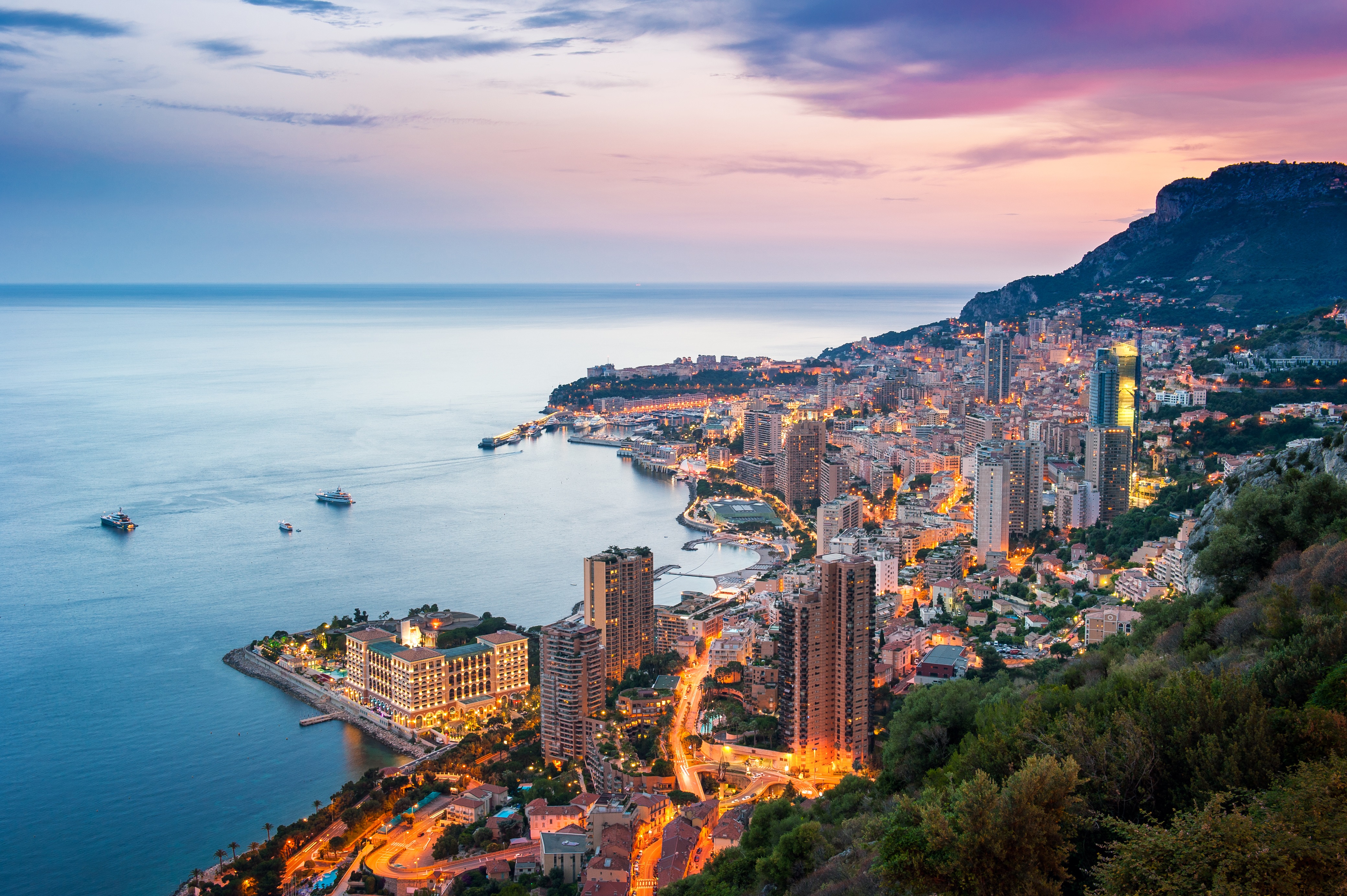
Navigating communication in the Principality of Monaco requires more than a casual high school vocabulary. French is the sole official state language under the Constitution, running every government office, administrative desk, and legal document. Yet if you walk down through the Rock or along Port Hercule, you will hear Italian spoken by residents, English dominating high-end yachting and finance hubs, and occasional phrases of Monégasque—the historic Ligurian dialect taught in local classrooms. If you want to move beyond a superficial tourist bubble, understanding how these linguistic layers interact is essential.
Mastering communication here starts with recognizing that while English gets you through luxury hotels and private banks, it won't suffice for residency filings, employment paperwork at the Service de l'Emploi, or interactions with local authorities. This guide breaks down the linguistic reality of the Principality, giving you practical strategies to handle official paperwork, social nuances, and daily business without awkward missteps.
The Linguistic Landscape of the Principality
Monaco packs multiple linguistic identities into just over two square kilometers. To communicate effectively, you need to know which language belongs where. Mixing them up at the wrong desk can slow down your administrative tasks or mark you out as an unprepared newcomer.
French as the State Backbone
French anchors everything official. Sovereign Ordinances, court proceedings, tax declarations, and police interactions happen strictly in French. For another angle on this event, check out the latest update from Reuters.
- Administrative filing: Every application for a carte de résident requires documents in or translated into French.
- Professional life: Local companies, retail hubs, and public services expect staff and applicants to hold functional French proficiency (typically A2 to B1 level minimum for client-facing roles).
- Public signage: Street names and official notices feature French prominently, occasionally paired with Monégasque.
Italian and English as Major Pillars
While French rules official texts, daily life relies heavily on economic and social diversity. Italian nationals make up a significant portion of the resident population, meaning standard Italian flows naturally in restaurants, neighborhood shops, and cross-border trade.
English dominates international finance, maritime management, and luxury hospitality. You can easily open a private bank account or charter a yacht using English alone. However, treating English as a universal fallback outside of corporate boardrooms creates invisible barriers. Shop owners appreciate basic courtesy phrases in French, and local bureaucrats will rarely switch languages to accommodate you.
Monégasque as Heritage
Monégasque (munegascu) is a distinct variety of Ligurian, preserved through mandatory school curriculums and cultural institutions like the Comité National des Traditions Monégasques. You won't need it for business contracts or tax forms, but hearing it spoken during national celebrations or seeing it on historic plaques connects you to the indigenous roots of the principality.
Practical Steps for Effective Local Communication
If you are relocating, launching a business, or managing cross-border assets, casual phrasebooks won't cut it. You need a structured approach to bridge the gap between textbook French and the specific tone expected in Monaco.
- Audit your current level: Assess whether your French handles administrative vocabulary. Knowing how to order a coffee isn't enough; you must understand terms related to housing leases (bail), utility contracts, and health insurance (Caisse Monegasque de Maladie).
- Prioritize written comprehension: Speaking is important, but bureaucracy runs on reading and replying to formal mail. Practice reading official notices from the Government of Monaco to build structural familiarity.
- Adopt formal registers: Monaco maintains a polite, conservative social culture. Always use Vous instead of Tu when addressing service providers, bank officers, or apartment building managers until invited otherwise.
- Leverage bilingual allies: Keep a translation resource handy for legal correspondence. Misinterpreting a clause in a real estate contract because you relied on conversational assumptions can lead to costly delays.
Common Mistakes to Avoid
Newcomers often stumble into predictable traps when trying to establish themselves. Avoiding these errors saves time and builds immediate credibility with locals.
- Assuming English is universal: Relying solely on English outside international corporate offices isolates you from community integration and frustrates local administrative staff.
- Confusing Italian utility with official status: While Italian is widely spoken, presenting documents in Italian to a French-speaking administrative desk will result in immediate rejection pending certified translation.
- Overlooking local polite customs: Forgetting to greet shopkeepers with a crisp "Bonjour, Madame" or "Bonjour, Monsieur" before stating your request is considered a major social breach.
- Ignoring professional certification: If you are applying for regulated local jobs, vague claims of "conversational French" carry no weight. Employers look for recognized standards like DELF.
Frequently Asked Questions
Is it possible to live in Monaco without speaking French?
Yes, but your daily life will remain restricted to an expat bubble. While you can navigate high-end hospitality and international finance in English, managing utilities, healthcare registrations, and interactions with civil servants requires basic French.
Do I need to learn Monégasque to integrate?
No. Monégasque is a heritage language spoken primarily by native families and taught as a cultural subject in schools. Residency requirements and business transactions do not require any knowledge of Monégasque.
Which language is most useful for finding a job in Monaco?
French remains mandatory for government, legal, and standard retail positions. However, strong English proficiency opens doors in international banking, yachting, luxury consulting, and multinational corporations based in Fontvieille or Monte Carlo.
How formal should my communication be with local officials?
Extremely formal. Written correspondence demands traditional polite sign-offs, strict adherence to the Vous pronoun, and clear, respectful formatting. Politeness and precision accelerate administrative processing.



