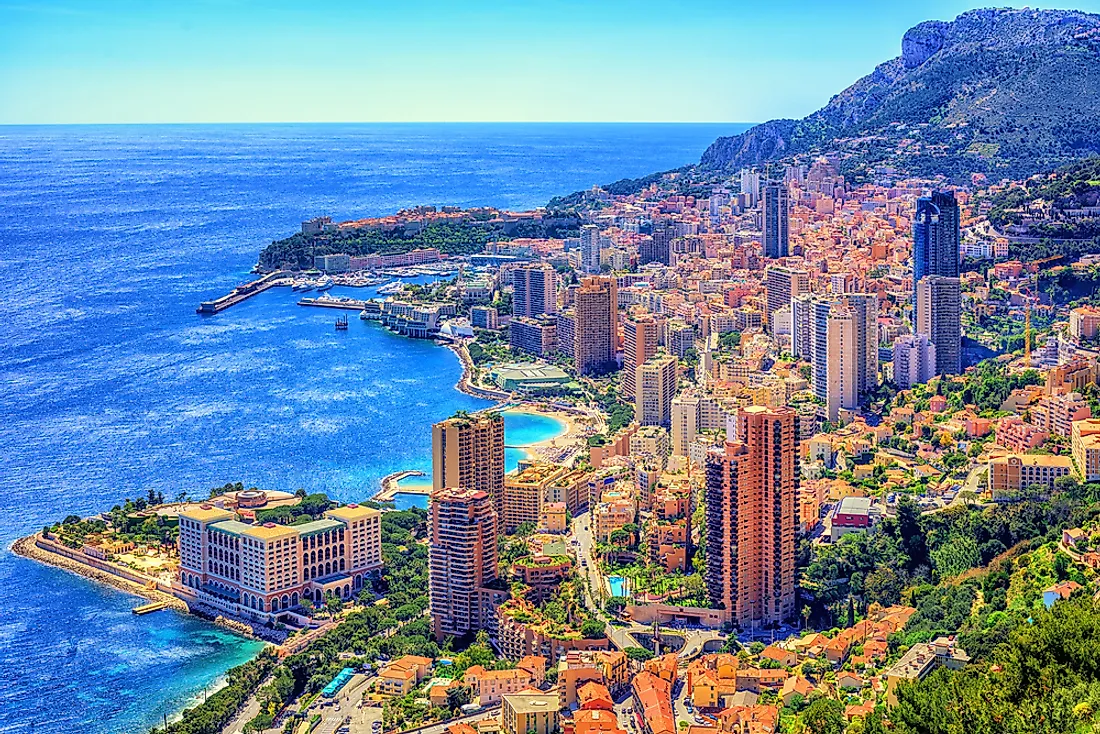
Monaco sits on the Mediterranean coast as a tiny sovereign city-state spanning less than one square mile, yet it consistently commands global attention as the wealthiest nation on earth. With a nominal GDP per capita exceeding $288,000, this microstate operates as a magnet for ultra-high-net-worth individuals, multinational executives, and global elite families. Its unrivaled status stems from a calculated mix of advantageous tax legislation, strategic geographic positioning, and a diversified economic ecosystem built on private banking, luxury tourism, and prime real estate.
Behind the glittering facade of superyachts, the Grand Prix circuit, and high-end boutiques lies a resilient economic engine. Understanding how Monaco achieved and maintains its #1 position requires looking past the glamour to examine the structural policies, financial frameworks, and daily realities that drive its extraordinary prosperity.
The Foundation of Monaco's Economic Dominance
The principality didn't stumble into its current financial standing. Its modern wealth is the result of strategic shifts initiated in the mid-19th century under Prince Charles III, who abolished taxes on personal income for Monaco residents after the loss of towns Menton and Roquebrune. This single legislative move transformed a struggling regional territory into a sanctuary for mobile capital.
Today, the economy functions on specialized pillars that generate massive value from a microscopic land footprint. According to data tracked by the World Bank, Monaco's economic structure relies heavily on service-oriented sectors rather than heavy manufacturing or resource extraction.
Tax-Friendly Frameworks and Fiscal Policy
The absence of personal income tax for most residents remains the primary anchor of Monaco's attraction. Individuals who establish legal residency do not pay personal income tax, capital gains tax, or wealth tax.
However, this framework comes with stringent entry barriers. Securing residency requires proving substantial financial self-sufficiency through bank deposits, purchasing or renting high-end property, and undergoing thorough background checks by local authorities. Furthermore, commercial enterprises face corporate taxes unless they derive at least three-quarters of their turnover from domestic operations within the principality.
The Private Banking and Financial Services Hub
Financial services anchor a significant portion of Monaco's gross domestic product. The jurisdiction hosts dozens of international and domestic private banks, asset management firms, and specialized investment funds.
- Wealth Management: Institutions manage billions in private client assets, offering customized portfolio structuring, estate planning, and international asset protection.
- Regulatory Compliance: To avoid adverse international classifications, Monaco has systematically aligned its banking secrecy laws with European Union standards, introducing transparent reporting mechanisms while preserving client confidentiality for legitimate funds.
- Institutional Stability: Major institutions like BNP Paribas maintain a heavy operational presence, ensuring liquidity and seamless cross-border transactions for global clients.
Key Pillars Driving Wealth and Prosperity
Beyond banking, Monaco's prosperity rests on physical and commercial sectors engineered to capture high-margin revenue from affluent consumers.
Ultra-Luxury Real Estate Markets
With finite land space—roughly 200 hectares, part of which has been reclaimed from the sea—real estate in Monaco is among the most expensive on earth. Prime residential properties regularly command square-meter prices well north of €20,000 to €50,000 depending on the district.
The demand far outstrips supply. Developers focus on vertical expansion, subterranean infrastructure, and multi-use architectural projects like the Portier eco-district extension project, which added valuable waterfront real estate while maintaining strict environmental standards.
High-End Tourism and Hospitality
Tourism in Monaco deviates sharply from standard mass travel. The sector targets elite travelers through high-profile events such as the Formula 1 Monaco Grand Prix, the Monaco Yacht Show, and international gala events. The hospitality industry—anchored by historic establishments like the Société des Bains de Mer (SBM)—delivers luxury gaming, Michelin-starred dining, and five-star accommodations that extract maximum yield per visitor.
Common Misconceptions About Living and Doing Business in Monaco
Observers often misinterpret how the principality functions, leading to persistent myths about its legal and financial environment.
- Myth 1: Anyone can move to Monaco and stop paying taxes. In reality, French nationals moving to Monaco remain subject to French income tax under a specific bilateral treaty, closing off a loophole for France-based citizens.
- Myth 2: Monaco is a lawless offshore secrecy jurisdiction. Modern Monaco operates under rigorous international anti-money laundering frameworks and cooperates extensively with tax authorities across Europe.
- Myth 3: The entire population consists of billionaires. While the concentration of wealth is staggering, Monaco supports a large workforce of approximately 60,000 daily commuters who travel across the border from France and Italy to staff hotels, retail shops, and administrative offices.
Frequently Asked Questions
Do citizens of Monaco pay any taxes?
Monégasque citizens and foreign residents do not pay personal income tax. However, consumption taxes like Value Added Tax (VAT) apply to goods and services, aligning with the broader French and European tax structures.
How does someone qualify for residency in Monaco?
Applicants must rent or buy property proportionate to household size, deposit a substantial sum (often hundreds of thousands of euros) in a local bank account, and provide proof of an untainted criminal record along with valid health insurance.
Does Monaco rely entirely on banking and tourism?
While banking and tourism drive the bulk of economic activity, the principality also fosters growth in maritime industries, digital technology consulting, international trading, and specialized scientific research supported by the Principality of Monaco Government portal.
How does Monaco manage its limited land area?
Urban planning relies heavily on high-density vertical building, underground civil engineering, and offshore land reclamation projects designed to expand residential and commercial zones without compromising environmental integrity.



