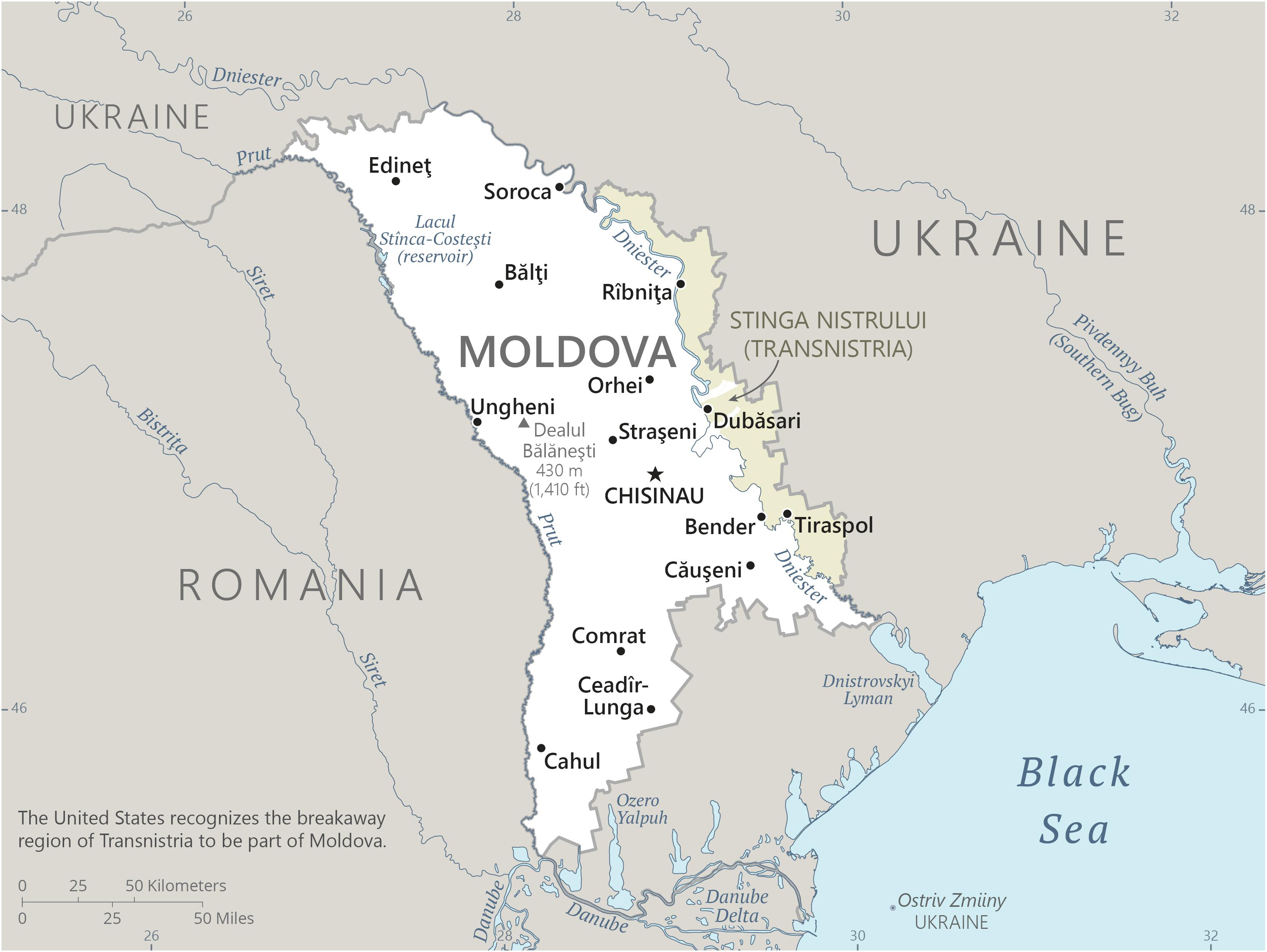
Nestled between Romania and Ukraine, Moldova is Europe's least-visited country, making it the ultimate destination for travelers seeking authenticity over tourist crowds. While mass tourism reshapes much of the continent, this independent nation retains its quiet rural charm, world-class subterranean wine culture, and deep historical roots. If you're looking to step off the beaten path, this guide breaks down everything you need to plan an unforgettable trip.
Getting Your Bearings: Geography and History
Moldova spans roughly 33,846 square kilometers of rolling hills, fertile steppes, and river valleys carved by the Dniester and Prut. Its strategic crossroads location meant centuries of overlapping rule by Roman, Ottoman, Russian, and Soviet empires, creating a distinct cultural mosaic.
The official language is Romanian, though Russian is widely spoken, and friendly locals are quick to help visitors navigate. You won't find towering mega-cities here. Instead, life moves at a deliberate pace, centered around tight-knit villages, historic monasteries, and sprawling vineyards.
Must-See Highlights Across the Country
You'll want to split your time between the green capital and the rugged countryside. Here are the core spots that define a trip to Moldova.
- Chișinău: The capital city features expansive parks like Stefan cel Mare Park, Soviet-era architecture, vibrant open-air markets, and a burgeoning cafe scene. It's a walkable, unpretentious base for day trips.
- Orheiul Vechi: Located about an hour outside the capital, this dramatic archaeological complex features a cave monastery carved into limestone cliffs above the Răut River. It's one of the most striking landscapes in Eastern Europe.
- Cricova and Milestii Mici Wineries: Moldova takes its wine seriously, housing some of the largest underground wine cellars in the world. Cricova features over 120 kilometers of underground limestone tunnels where millions of bottles age under ideal conditions.
- Soroca Fortress: Perched above the Dniester River in the north, this medieval fortification boasts thick stone walls designed to withstand historic invasions.
Wine Culture and Culinary Traditions
Wine is deeply woven into the fabric of daily life here, contributing significantly to the national identity. Winemaking traditions date back thousands of years, benefiting from a temperate continental climate and rich soil. When dining out, expect hearty, comforting dishes. Traditional meals often feature mămăligă (cornmeal polenta), rich vegetable stews, locally sourced cheeses, and flaky pastries stuffed with sheep's cheese or cherries.
Pair your meal with indigenous grape varieties like Fetească Neagră or a glass of divin, the local brandy. Dining is treated as a prolonged social event where hospitality reigns supreme.
Practical Planning Tips for Travelers
Visiting an independent destination requires a bit of foresight, especially since public transport relies heavily on mini-buses known as marshrutkas.
- Best Time to Visit: Aim for spring (April to May) when wildflowers bloom, or autumn (September to October) during the grape harvest and the annual National Wine Day festival.
- Getting Around: While public buses connect major hubs, renting a car gives you true freedom to explore rural wineries and remote monasteries at your own pace.
- Budget: Moldova remains remarkably affordable by European standards, with modest daily expenses for food and lodging compared to Western destinations. You can check current entry requirements and travel advisories via official government travel portals before you depart.
Frequently Asked Questions
Do I need a visa to visit Moldova?
Citizens of many countries, including the European Union, the United Kingdom, and the United States, can enter Moldova visa-free for short tourist stays. Always confirm rules with official consular sources prior to booking.
Is Moldova safe for solo travelers?
Yes. The country is generally safe and peaceful, with low rates of violent crime against travelers. Standard urban awareness in crowded areas is usually sufficient.
Can I visit Moldova as a day trip from Romania?
While day trips from nearby Romanian cities like Iasi are technically possible, they only scratch the surface. Allocate at least three to four days to experience Chișinău, the cave monasteries, and the wine cellars properly.
How do I pay for things locally?
The local currency is the Moldovan Leu (MDL). While credit cards are widely accepted in Chișinău hotels and restaurants, you'll want to carry cash for rural shops, markets, and mini-bus fares.



