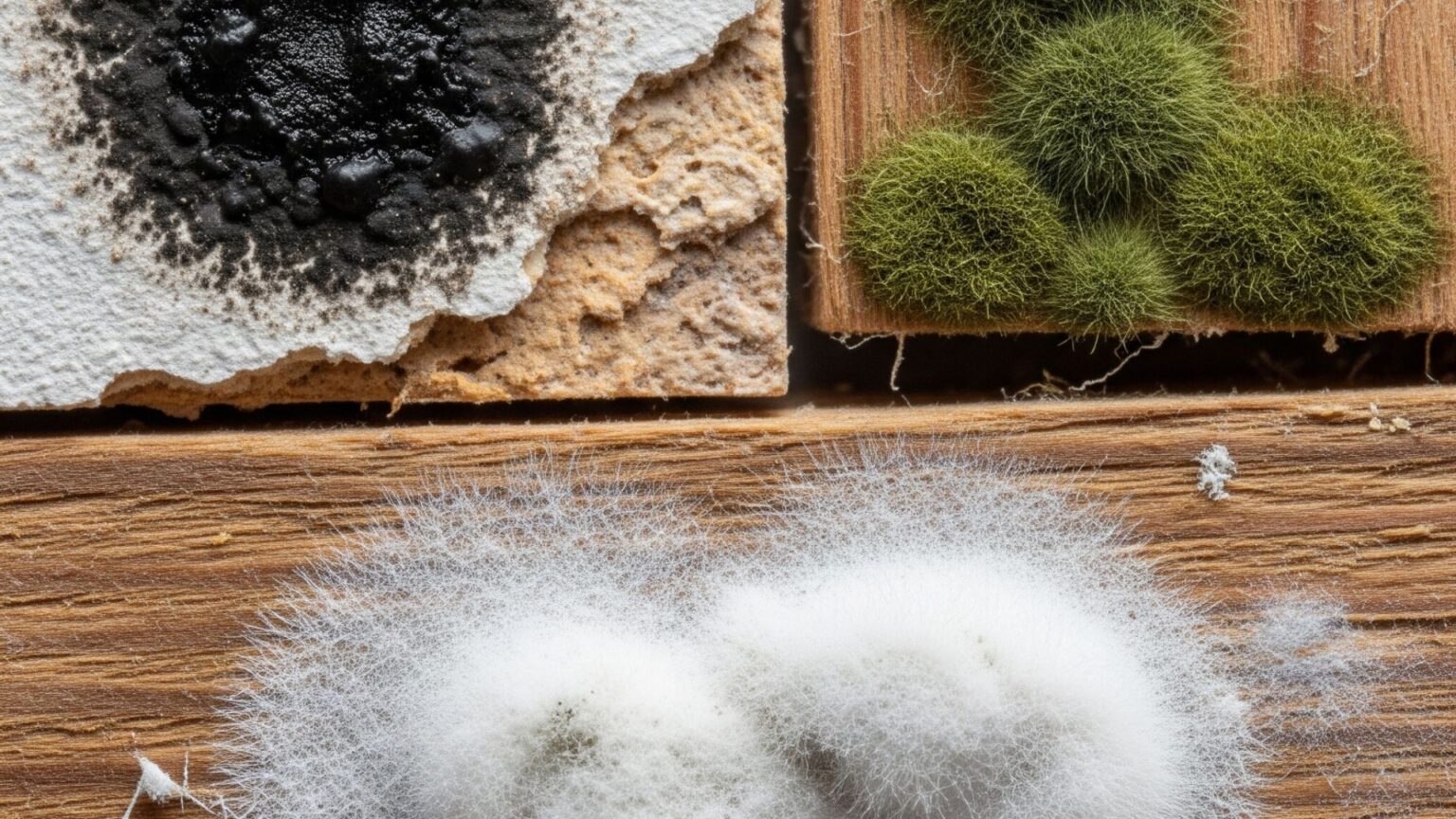
Bathroom humidity creates an ideal environment for fungi to thrive, turning ordinary bathroom fixtures into breeding grounds for unsightly pink slime and black spots. When moisture clings to fabric or plastic, mold spores multiply rapidly. Choosing mold-resistant shower curtains stops this cycle at the source, keeping your bathroom cleaner and healthier without constant scrubbing.
Understanding how different textiles react to humidity helps you select an option that fits your daily routine. Performance fabrics and treated synthetic options repel moisture rather than absorbing it. By pairing the right material with proper airflow habits, you eliminate dampness before spores can take root.
Why Standard Shower Curtains Fail Against Humidity
Traditional cotton and untreated linen absorb water like a sponge. Every time you shower, these natural fibers lock in moisture. If your bathroom lacks adequate ventilation, the fabric stays wet for hours. This prolonged dampness breaks down the material integrity and invites colonies of mildew to form deep within the weave.
Plastic liners present a different set of issues. While they do not absorb water, their smooth surfaces collect soap scum and body oils. This residue creates a thin, nutrient-rich film where mold flourishes. Once mold penetrates the folds of a cheap vinyl liner, cleaning becomes nearly impossible, forcing an early replacement.
Best Materials for Mold Resistance
Selecting a high-performance material drastically cuts down your cleaning workload. Modern textile engineering offers several synthetic and naturally resilient choices.
- Polyester: This synthetic fabric dries rapidly and resists water penetration. High-density polyester weaves let water slide right off, making it the top choice for standalone fabric curtains.
- PEVA (Polyethylene Vinyl Acetate): A safer, chlorine-free alternative to traditional PVC vinyl. PEVA repels water completely and resists soap scum accumulation when wiped down regularly.
- Nylon: Lightweight and inherently quick-drying, nylon handles high-humidity environments exceptionally well. It resists stretching and sagging when wet.
- Hemp and Treated Linen: For those preferring natural fibers, tightly woven hemp offers natural resistance to fungi compared to standard cotton, though it still requires diligent drying.
To understand broader material safety standards and textile choices, check resources like the U.S. Consumer Product Safety Commission.
Key Features to Look For
Not all moisture-repellent curtains perform equally. Evaluating specific construction details ensures you buy a product that lasts.
Water-Repellent Coatings
Look for factory-applied hydrophobic treatments that cause water droplets to bead up and roll down instantly. Avoid curtains that rely heavily on harsh chemical biocides if you prefer an eco-friendly household.
Weighted Hems
Curtains with weighted magnets or hem sewn-in weights stay inside the tub rather than blowing outward. This prevents water from splashing onto the bathroom floor and keeps the lower edge of the curtain from resting in puddles.
Rust-Proof Grommets
Metal eyelet rings often rust in humid bathrooms, leaving ugly orange stains on the fabric. Choose reinforced fabric buttonholes or stainless steel grommets that withstand constant moisture exposure.
Proven Care and Cleaning Routines
Even the best materials require routine maintenance to prevent soap scum from trapping moisture. Establishing a simple cleaning cadence keeps your investment fresh.
- Spread the curtain fully open across the rod immediately after every shower to maximize airflow.
- Run your bathroom extractor fan or open a window for at least twenty minutes post-shower to exhaust ambient steam.
- Machine wash monthly using a gentle cycle with cold water and mild detergent. Toss two clean bath towels into the drum to act as soft scrubbers against surface residue.
- Add white vinegar to the rinse cycle to break down lingering mildew and dissolve hard water crust. Never mix vinegar with chlorine bleach, as this creates hazardous fumes.
For further guidance on maintaining healthy indoor air quality and managing residential humidity, visit the Environmental Protection Agency.
Common Mistakes to Avoid
Preventable errors often ruin high-quality bathroom textiles prematurely. Avoid these common missteps:
- Leaving the curtain bunched tightly against the wall, which traps moisture in hidden folds.
- Tumble drying plastic or PEVA liners on high heat, which warps and melts the material.
- Using heavy fabric softeners that leave a waxy, residue film on polyester, actually helping mold grow faster.
- Ignoring early pink bacterial film until it turns into stubborn black mold.
Frequently Asked Questions
Can you put a mold-resistant shower curtain in the washing machine?
Most polyester and heavy-fabric curtains are completely machine washable on a gentle, cool cycle. Always check the manufacturer care label first. PEVA liners should generally be wiped down by hand or washed on a delicate cold setting without a spin cycle.
How often should a shower curtain be replaced?
A quality polyester fabric curtain can last several years if washed monthly. Inexpensive plastic or PEVA liners typically need replacement every six to twelve months once mineral deposits or deep mold staining become permanent.
What kills mold on a shower curtain naturally?
A paste made from baking soda and a little water scrubbed onto stained areas, followed by a white vinegar rinse, effectively lifts mold without harsh bleach. Let the baking soda sit for fifteen to thirty minutes before washing.
Why does my shower curtain turn pink at the bottom?
The pink film is typically Serratia marcescens, an airborne bacterium that feeds on soap residue and skin cells in damp environments. Regular wiping and vinegar sprays prevent this buildup.



